



Blog Post – Bone Health Guide
Maintaining strong and healthy bones is crucial for enjoying an active and vibrant lifestyle, whether you’re a beauty enthusiast, a fashion-forward individual, or someone who thrives on the thrill of a biker’s journey. A diet rich in calcium and magnesium isn’t just beneficial; it’s transformative. These essential nutrients play a vital role in bone health, supporting you in everything from engineering projects to leisurely fishing adventures. In this guide, we’ll delve into how you can naturally boost your bone strength with the right supplements and diet choices. Get ready to explore our top product recommendations that promise to keep you on top of your game—shop now and give your bones the care they deserve!
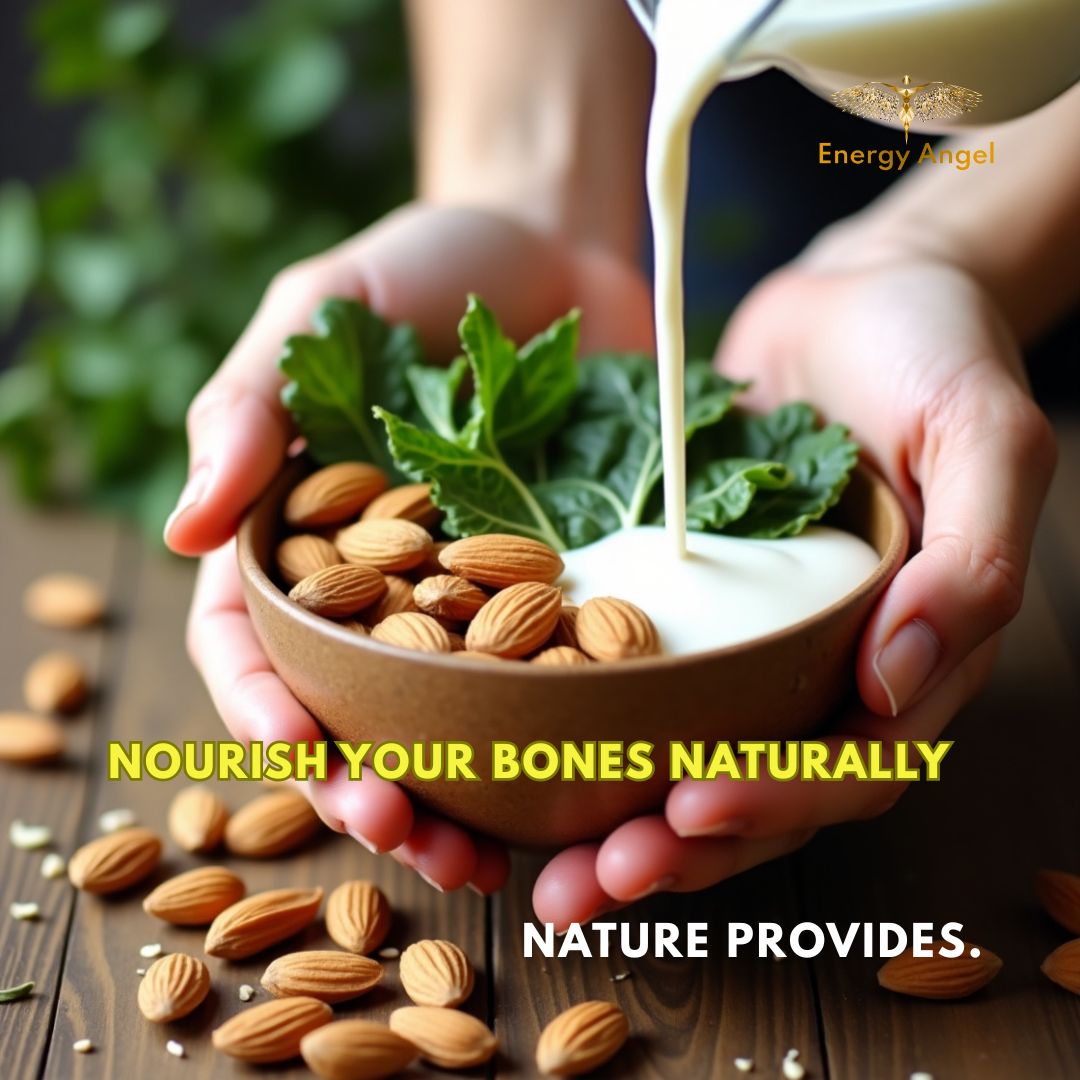
Importance of Bone Health
Strong bones are the foundation of a healthy, active lifestyle. Let’s explore why maintaining bone health is crucial for long-term well-being and how it can help you avoid common bone-related issues.
Long-term Health Benefits
Investing in bone health today pays dividends for your future. Strong bones support your body’s structure, protect vital organs, and enable you to stay active as you age.
Regular bone maintenance can help prevent osteoporosis, a condition that weakens bones and increases fracture risk. By focusing on bone health now, you’re setting yourself up for improved mobility and independence in later years.
Moreover, healthy bones contribute to better posture, reducing the risk of back pain and related issues. This is particularly important for those spending long hours at desks or engaging in physical activities.
Avoiding Common Bone Issues
Proactive bone care can help you sidestep many common bone-related problems. Conditions like osteoporosis, fractures, and joint pain can significantly impact your quality of life.
By maintaining strong bones, you reduce the risk of fractures from falls or accidents. This is especially crucial for active individuals, whether you’re a cyclist navigating tricky terrain or an engineer working on-site.
Additionally, good bone health can alleviate joint pain and reduce the risk of conditions like arthritis. This means you can continue enjoying your favourite activities, from fishing trips to fashion shows, without discomfort holding you back.
Nutrients for Strong Bones
Proper nutrition plays a vital role in maintaining bone health. Let’s look at the key nutrients your bones need and where to find them in your diet.
Calcium-Rich Foods
Calcium is the cornerstone of bone health, essential for building and maintaining strong bones. Incorporating calcium-rich foods into your diet is crucial for optimal bone strength.
Dairy products like milk, yoghurt, and cheese are excellent sources of calcium. For those who are lactose intolerant or follow a plant-based diet, leafy greens such as kale and broccoli, as well as fortified plant milks, offer great alternatives.
Sardines and salmon, with their edible bones, provide a double benefit of calcium and omega-3 fatty acids. Don’t forget about nuts and seeds – almonds and chia seeds are particularly rich in calcium.
Remember, consistency is key. Aim to include a variety of calcium-rich foods in your daily meals to ensure your bones get the support they need.
Benefits of Magnesium
While calcium often steals the spotlight, magnesium is equally crucial for bone health. This mineral plays a vital role in converting vitamin D into its active form, which is essential for calcium absorption.
Magnesium helps regulate calcium levels in the body, ensuring that calcium is directed to the bones where it’s needed most. It also contributes to the structural development of bones, making them stronger and more resilient.
Foods rich in magnesium include dark chocolate, avocados, nuts (especially almonds and cashews), and whole grains. Leafy greens like spinach are also excellent sources, offering a two-for-one deal with both calcium and magnesium.
Incorporating these magnesium-rich foods into your diet can significantly boost your bone health, complementing the calcium you’re consuming for optimal results.
Lifestyle Choices for Bone Strength
Your daily habits can have a profound impact on your bone health. Let’s explore how exercise can boost bone density and which habits to avoid for stronger bones.
Exercise and Bone Density
Regular physical activity is crucial for maintaining and improving bone density. Weight-bearing exercises, in particular, can stimulate bone formation and strengthen existing bone tissue.
Activities like brisk walking, jogging, and dancing are excellent for bone health. They put stress on your bones, encouraging them to become stronger. For those who enjoy more intense workouts, weight training can be particularly beneficial.
Swimming and cycling, while great for cardiovascular health, don’t provide the same bone-strengthening benefits as weight-bearing exercises. However, they’re still valuable for overall fitness and can be part of a well-rounded exercise routine.
Aim for at least 30 minutes of moderate exercise most days of the week. Remember, consistency is key – regular, moderate exercise is more beneficial than occasional intense workouts.
Avoiding Harmful Habits
Certain lifestyle choices can negatively impact bone health. By being aware of these and making conscious decisions, you can protect your bones for the long term.
Smoking is a major culprit when it comes to bone health. It interferes with the body’s ability to absorb calcium and can lead to decreased bone density. If you smoke, consider quitting or seeking support to do so.
Excessive alcohol consumption can also harm bone health. It interferes with calcium absorption and can increase the risk of falls and fractures. Limit alcohol intake to moderate levels for overall health benefits.
A sedentary lifestyle is another risk factor for poor bone health. Make an effort to move regularly throughout the day, especially if you have a desk job. Simple changes like taking the stairs instead of the lift can make a difference.
Product Recommendations for Bone Health
Enhancing your bone health doesn’t stop at diet and exercise. Let’s explore some supplements and tools that can support your journey to stronger bones.
Supplements to Consider
While a balanced diet should be your primary source of nutrients, supplements can help fill any gaps. Here are some key supplements to consider for bone health:
-
Calcium supplements: Available in various forms, including calcium carbonate and calcium citrate. Choose one that suits your needs and is easily absorbed.
-
Vitamin D supplements: Essential for calcium absorption, especially if you have limited sun exposure.
-
Magnesium supplements: Often combined with calcium for optimal absorption and bone health benefits.
-
Vitamin K2: Helps direct calcium to the bones and away from soft tissues.
Always consult with a healthcare professional before starting any new supplement regimen. They can help determine the right dosage based on your individual needs and health status.
Tools and Gadgets for Support
In addition to supplements, there are various tools and gadgets that can support your bone health journey:
-
Bone density scanners: While professional DEXA scans are the gold standard, home ultrasound devices can provide a general idea of bone density.
-
Weighted vests: These can increase the bone-strengthening effects of weight-bearing exercises.
-
Vibration plates: Some studies suggest these may help improve bone density, especially in older adults.
-
Ergonomic tools: For those with existing bone issues, ergonomic kitchen utensils or gardening tools can reduce strain on joints and bones.
Remember, these tools should complement, not replace, a healthy diet and regular exercise routine.
Shopping for Bone Health Essentials
Investing in your bone health doesn’t have to break the bank. Let’s explore how to find quality products and budget-friendly options to support your bone health journey.
Finding Quality Products
When shopping for bone health products, quality should be your top priority. Look for supplements that have been third-party tested for purity and potency.
Check for certifications from reputable organisations like NSF International or USP. These indicate that the product has undergone rigorous testing and meets high quality standards.
For calcium supplements, look for those that contain vitamin D to aid absorption. If you’re considering a magnesium supplement, magnesium citrate is often more easily absorbed than other forms.
Don’t forget to read customer reviews and consult with healthcare professionals for recommendations. They can provide valuable insights into product effectiveness and potential side effects.
Budget-Friendly Options
Supporting your bone health doesn’t have to be expensive. Here are some budget-friendly strategies:
-
Buy in bulk: Many supplements offer better value when purchased in larger quantities.
-
Look for sales and discounts: Sign up for newsletters from health food stores to stay informed about promotions.
-
Consider store brands: These often offer similar quality to name brands at a lower price point.
-
Focus on whole foods: Prioritise nutrient-rich foods in your diet to reduce reliance on supplements.
Remember, the most cost-effective approach to bone health is prevention through a balanced diet and regular exercise.
FAQs on Bone Health
Let’s address some common questions and misconceptions about bone health, and provide expert tips for maintaining strong bones throughout your life.
Common Misconceptions
There are several myths surrounding bone health that can lead to confusion. Let’s clear up some common misconceptions:
Myth: Only older adults need to worry about bone health.
Fact: Bone health is important at all ages. Peak bone mass is typically reached in your 20s, making early adulthood a crucial time for bone building.
Myth: Dairy is the only good source of calcium.
Fact: While dairy is an excellent source, many other foods like leafy greens, nuts, and fortified foods are rich in calcium.
Myth: Exercise is harmful to bones.
Fact: Weight-bearing exercises actually strengthen bones by stimulating bone formation.
Understanding these facts can help you make informed decisions about your bone health at any age.
Expert Tips for Maintenance
Here are some expert-recommended tips for maintaining strong, healthy bones:
-
Stay active: Engage in regular weight-bearing exercises like walking, jogging, or dancing.
-
Eat a balanced diet: Ensure you’re getting enough calcium, vitamin D, and other bone-supporting nutrients.
-
Limit alcohol and avoid smoking: Both can negatively impact bone density.
-
Get regular check-ups: Bone density scans can help monitor your bone health over time.
-
Consider your medications: Some medications can affect bone health. Discuss any concerns with your doctor.
Remember, bone health is a lifelong journey. By implementing these tips and staying informed, you can support your bones at every stage of life.
