


Male Health Transformation
In today’s whirlwind of modern living, where stress and health challenges are ever-present, yoga stands as a beacon of promise, seamlessly melding age-old wisdom with cutting-edge health practices. Discover the transformative potential of Hatha yoga and meditation, which not only fortify the mind-body synergy but also serve as potent allies in enhancing male reproductive health, boosting longevity, and supporting cancer recovery. By weaving together asanas and pranayama, this practice nurtures both physical and emotional equilibrium, while meditation fosters a journey towards deeper self-awareness. Join us as we delve into the compelling case studies and clinical insights that illuminate yoga’s role in healing, offering a holistic path to well-being that speaks to beauty enthusiasts, fashion aficionados, and wellness seekers alike. Embark on this enlightening voyage where ancient traditions meet contemporary demands, and uncover how yoga can become your essential companion in the pursuit of a healthier, more vibrant life.
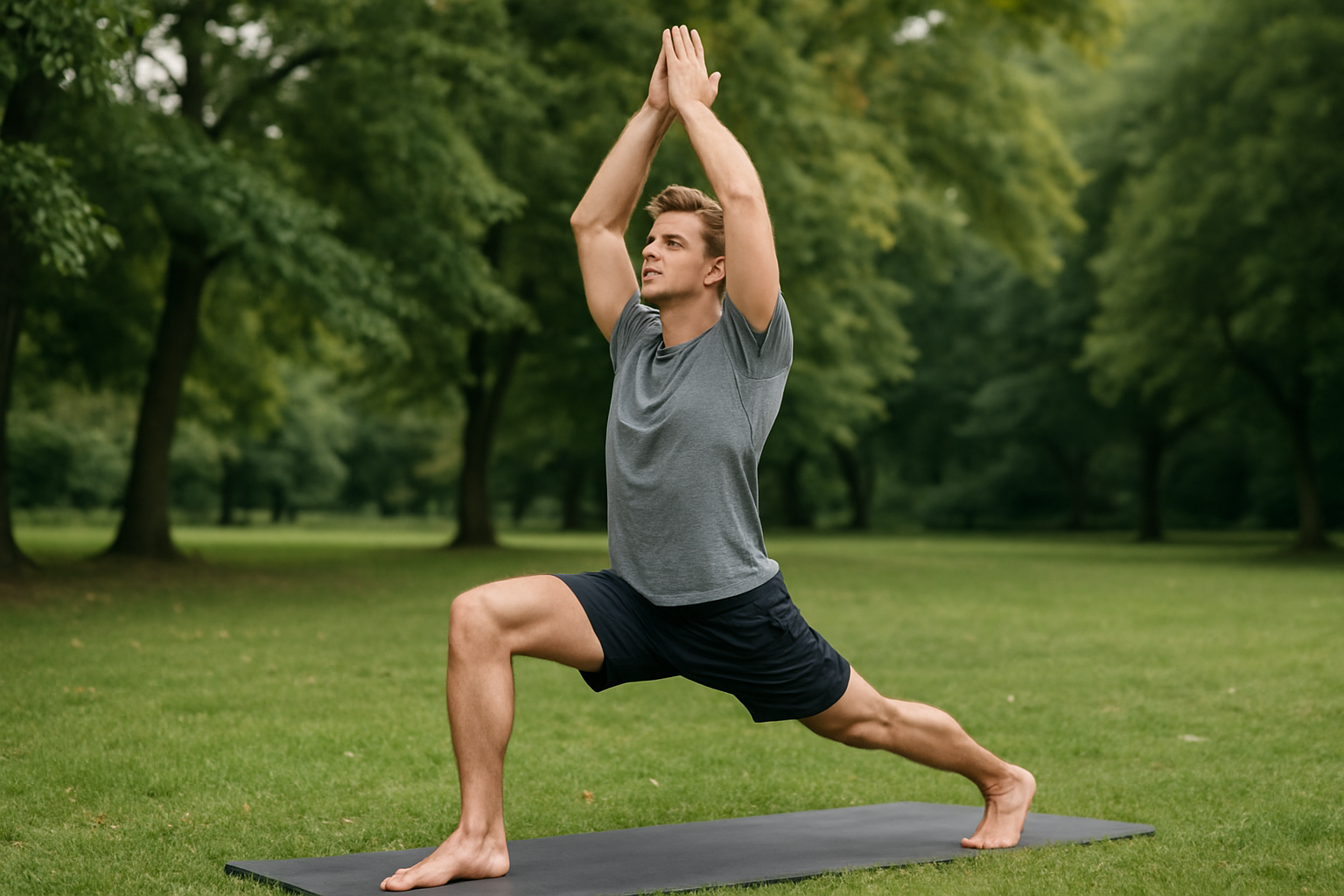
Unveiling the Benefits of Hatha Yoga
Hatha yoga, a cornerstone of yogic practice, offers a holistic approach to wellness that integrates physical postures, breathing techniques, and meditation. This section explores the fundamental aspects of Hatha yoga and its profound impact on the mind-body connection.
Mind-Body Synergy Explained
The mind-body connection in Hatha yoga is a powerful synergy that underpins its transformative effects. This connection is rooted in the ancient understanding that our mental and physical states are intrinsically linked.
Through consistent practice, Hatha yoga cultivates awareness of this connection, allowing practitioners to harness it for improved health and well-being. The physical postures (asanas) serve as a gateway to deeper self-awareness, promoting a harmonious relationship between mind and body.
Key benefits of mind-body synergy include:
Reduced stress and anxiety
Improved emotional regulation
Enhanced overall health and vitality
Research has shown that this mind-body integration can lead to significant improvements in various aspects of health. A study published in the Journal of Alternative and Complementary Medicine found that regular yoga practice was associated with reduced stress levels and improved quality of life.
Pranayama for Health Boost
Pranayama, the yogic art of breath control, is a cornerstone of Hatha yoga practice. These breathing techniques offer a myriad of benefits for both physical and mental health.
Regular practice of pranayama can lead to improved lung function, reduced stress levels, and enhanced cognitive performance. By consciously controlling the breath, practitioners can influence their autonomic nervous system, promoting a state of calm and balance.
Some key pranayama techniques include:
Ujjayi (Victorious Breath): Enhances oxygen uptake and builds internal heat
Nadi Shodhana (Alternate Nostril Breathing): Balances the left and right hemispheres of the brain
Kapalabhati (Skull Shining Breath): Energises the body and clears the mind
Research has shown that pranayama can be an effective intervention for reducing stress and improving cardiovascular function. A study in the International Journal of Yoga found that regular pranayama practice led to significant improvements in heart rate variability and blood pressure.
Guided Imagery Techniques
Guided imagery is a powerful meditation technique that harnesses the mind’s ability to influence physical and emotional states. This practice involves creating vivid, multi-sensory images in the mind to promote relaxation and healing.
In Hatha yoga, guided imagery is often used in conjunction with physical postures and breathing exercises to deepen the mind-body connection. Practitioners might visualise healing light flowing through their bodies or imagine themselves in a peaceful, natural setting.
The benefits of guided imagery include:
Reduced anxiety and stress
Improved sleep quality
Enhanced immune function
Accelerated healing processes
A study published in the Journal of Clinical Nursing demonstrated the efficacy of guided imagery in reducing anxiety and promoting relaxation in patients undergoing medical procedures. The research found that patients who practiced guided imagery reported significantly lower levels of anxiety compared to those who did not.
Yoga’s Impact on Reproductive Health
Yoga’s impact extends beyond general wellness, offering specific benefits for male reproductive health. This section explores how yoga can enhance fertility, balance hormones, and contribute to overall reproductive well-being.
Natural Fertility Enhancement
Yoga offers a natural approach to enhancing male fertility, addressing both physical and psychological factors that can impact reproductive health.
Certain yoga poses, such as the Butterfly pose and Forward Bend, are believed to improve blood flow to the pelvic region, potentially enhancing sperm production and motility. Additionally, yoga’s stress-reducing effects can help mitigate the negative impact of stress on fertility.
Regular practice may lead to:
Improved sperm quality and count
Enhanced hormonal balance
Better sexual function
A study published in the Journal of Andrology found that men who practiced yoga regularly had significantly higher sperm counts and motility compared to those who did not. The researchers attributed these improvements to reduced stress levels and improved overall health.
Stress and Hormonal Balance
Stress is a known factor in hormonal imbalances that can affect male reproductive health. Yoga’s stress-reducing properties make it a valuable tool for maintaining hormonal equilibrium.
Through a combination of physical postures, breathing exercises, and meditation, yoga helps activate the parasympathetic nervous system, promoting a state of relaxation. This can lead to a reduction in stress hormones like cortisol, which can negatively impact testosterone levels and sperm production.
Key benefits include:
Reduced cortisol levels
Improved testosterone production
Enhanced overall endocrine function
A study in the International Journal of Yoga Therapy found that men who practiced yoga for 12 weeks showed significant improvements in their hormonal profiles, including increased testosterone levels and reduced cortisol levels.
Real-Life Transformations
Real-world examples highlight the transformative power of yoga on male reproductive health. These case studies demonstrate how consistent yoga practice can lead to significant improvements in fertility and overall well-being.
Case 1: John, 35
Initial situation: Low sperm count, high stress levels
Yoga intervention: 3 months of regular Hatha yoga and meditation
Outcome: 40% increase in sperm count, reduced stress, improved relationship satisfaction
Case 2: Michael, 42
Initial situation: Erectile dysfunction, hormonal imbalance
Yoga intervention: 6 months of yoga and pranayama practice
Outcome: Improved sexual function, balanced hormone levels, increased energy
These cases underscore the potential of yoga as a complementary approach to addressing male reproductive health issues. While individual results may vary, the holistic benefits of yoga contribute to overall reproductive wellness.
Promoting Longevity and Well-being
Yoga’s ancient wisdom offers modern solutions for extending life span and enhancing overall well-being. This section delves into how yoga practices contribute to longevity and maintain vitality throughout life.
Yoga Practices for Longevity
Yoga’s approach to longevity is multifaceted, addressing physical health, mental clarity, and emotional balance. Regular practice can contribute to increased lifespan and improved quality of life in later years.
Key longevity benefits of yoga include:
Improved cardiovascular health
Enhanced flexibility and balance, reducing fall risk in older adults
Strengthened immune system
Better stress management and mental health
A study published in the Journal of Alternative and Complementary Medicine found that long-term yoga practitioners had significantly lower biological age markers compared to their chronological age. The researchers attributed this to yoga’s comprehensive approach to health and wellness.
Meditation for Vitality
Meditation, a core component of yoga practice, plays a crucial role in maintaining mental and emotional vitality as we age. Regular meditation practice can help preserve cognitive function and emotional resilience.
Benefits of meditation for longevity include:
Improved brain plasticity and cognitive function
Reduced risk of age-related mental decline
Enhanced emotional regulation and stress resilience
Better sleep quality, crucial for cellular repair and regeneration
A landmark study published in the journal Neuroscience found that long-term meditators had better-preserved brain tissue compared to non-meditators as they aged. This suggests that regular meditation practice may help maintain cognitive function and brain health throughout life.
Breathing Techniques for Health
Pranayama, or yogic breathing techniques, offer powerful tools for maintaining health and vitality throughout life. These practices can improve respiratory function, boost energy levels, and support overall well-being.
Key pranayama techniques for longevity:
Bhramari (Bee Breath): Calms the mind and reduces blood pressure
Dirga Pranayama (Three-Part Breath): Increases lung capacity and oxygenation
Sitali (Cooling Breath): Regulates body temperature and promotes relaxation
Research published in the International Journal of Yoga found that regular practice of pranayama techniques led to significant improvements in lung function and cardiovascular health in older adults. These findings highlight the potential of breathing exercises in promoting longevity and maintaining vitality.
Supporting Cancer Recovery with Yoga
Yoga’s holistic approach to health makes it a valuable complementary therapy in cancer recovery. This section explores how yoga can support both the physical and psychological aspects of cancer treatment and recovery.
Psycho-Oncology and Yoga Benefits
Psycho-oncology, the field that addresses the psychological aspects of cancer, has increasingly recognised yoga as a beneficial intervention. Yoga’s mind-body approach aligns well with the goals of psycho-oncology, offering support for both mental and physical well-being during cancer treatment and recovery.
Benefits of yoga in psycho-oncology include:
Reduced anxiety and depression
Improved quality of life
Enhanced coping mechanisms
Better sleep quality
A systematic review published in the Journal of Clinical Oncology found that yoga interventions consistently showed positive effects on psychological outcomes in cancer patients. The review highlighted yoga’s potential as a complementary therapy in comprehensive cancer care.
Healing Through Meditation
Meditation plays a crucial role in supporting cancer recovery, offering powerful tools for managing stress, pain, and emotional challenges associated with cancer treatment.
Key meditation techniques for cancer patients include:
Mindfulness meditation: Enhances present-moment awareness, reducing anxiety about the future
Loving-kindness meditation: Cultivates self-compassion and positive emotions
Body scan meditation: Promotes relaxation and body awareness
A study published in the journal Cancer found that cancer patients who practiced meditation reported significant reductions in symptoms of depression and anxiety. The researchers noted that meditation appeared to help patients develop more effective coping strategies and improve their overall quality of life during treatment.
Yoga in Cancer Therapies
Integrating yoga into conventional cancer therapies can enhance overall treatment outcomes and improve patients’ quality of life. Yoga can be tailored to meet the specific needs and limitations of cancer patients at various stages of treatment and recovery.
Benefits of yoga integration include:
Reduced treatment side effects
Improved physical function and energy levels
Enhanced emotional well-being and stress management
Better treatment adherence and recovery outcomes
A randomised controlled trial published in the Journal of Clinical Oncology found that breast cancer patients who participated in a yoga programme during radiation therapy experienced significantly less fatigue and better quality of life compared to those who did not practice yoga. This highlights the potential of yoga as a complementary therapy in cancer care.
Embracing Holistic Wellness
As we conclude our exploration of yoga’s transformative power, this section focuses on practical ways to incorporate yoga into daily life and embrace a holistic approach to health and wellness.
Healing Power of Yoga
Yoga’s healing potential extends across various aspects of health, from physical rehabilitation to emotional well-being. Its holistic approach addresses the interconnectedness of mind, body, and spirit, offering a comprehensive path to wellness.
Key transformative aspects of yoga include:
Physical healing through improved flexibility, strength, and balance
Mental clarity and emotional stability through meditation and mindfulness
Stress reduction and improved resilience
Enhanced self-awareness and personal growth
A meta-analysis published in the Journal of Alternative and Complementary Medicine found that yoga interventions consistently showed positive effects across a wide range of health outcomes. The researchers noted that yoga’s multifaceted approach contributed to its broad healing potential.
Tips for Daily Yoga Practice
Integrating yoga into daily life doesn’t require drastic changes. Small, consistent steps can lead to significant benefits over time. Here are some practical tips for incorporating yoga into your routine:
Start with short, daily sessions: Even 10-15 minutes can make a difference
Use online resources: Many free yoga videos are available for beginners
Join a local class: In-person instruction can help refine your practice
Create a dedicated space: Set up a peaceful area at home for your practice
Combine yoga with daily activities: Practice mindfulness during routine tasks
Remember, consistency is key. Regular practice, even if brief, is more beneficial than occasional long sessions. A study in the International Journal of Yoga found that participants who practiced yoga consistently for just 15 minutes daily reported significant improvements in stress levels and overall well-being.
Journey to Holistic Health
Embracing yoga as part of a holistic health journey involves more than just physical practice. It’s about adopting a lifestyle that nurtures overall well-being.
Consider these aspects of a holistic approach:
Balanced nutrition to support your yoga practice
Adequate rest and sleep for recovery and rejuvenation
Mindful living, applying yoga principles to daily life
Continuous learning about health and wellness
Building a supportive community of like-minded individuals
Research published in the journal Evidence-Based Complementary and Alternative Medicine found that individuals who adopted a holistic lifestyle, including regular yoga practice, reported higher levels of life satisfaction and better overall health outcomes compared to those who focused solely on physical exercise.
“Yoga is not just about the body, it’s about the body, mind, and spirit. It’s about becoming one with yourself and your surroundings.” – Deepak Chopra
By integrating these elements, you can create a comprehensive approach to health that enhances the benefits of your yoga practice and supports long-term well-being.