


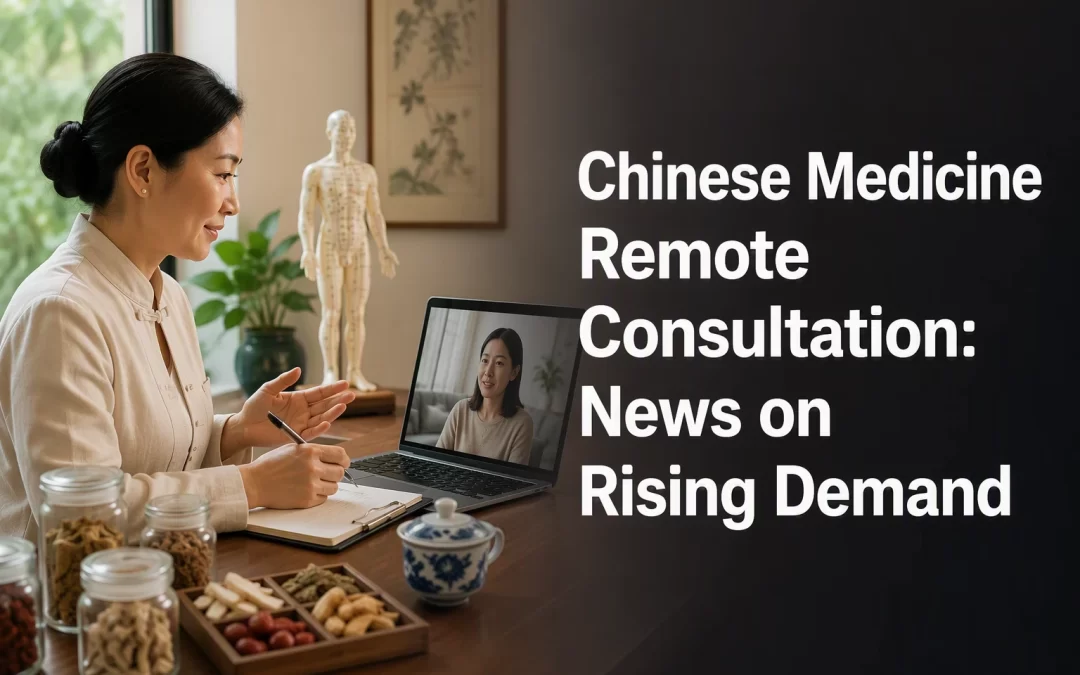
Italy delivered 1,162,182 pharmacy telemedicine services in 2025, up 28.47% year on year. That is the key fact behind Chinese medicine remote consultation news, not proof of a national rise in Chinese medicine appointments. National digital-health spending also grew. This analysis keeps that line clear: online support may suit non-urgent wellbeing needs, but not tests, hands-on care, or urgent problems. Read Chinese medicine remote consultation news with evidence, not assumptions.
Italy’s Remote-Care Market Is Expanding, but the Chinese Medicine Signal Is Still Unmeasured
The Numbers Behind Italy’s Digital-Care Expansion
Italy is building real momentum in remote care. Digital health spending reached €2.47 billion in 2024, up 12% year on year, according to the Politecnico di Milano Digital Health Observatory.
| Indicator | Latest reported figure | What it shows |
|---|---|---|
| Digital health spending | €2.47bn in 2024 | Investment is growing |
| GPs using video visits | 52% | Remote contact is becoming familiar |
| Specialists using video visits | 36% | Adoption still varies by field |
This does not prove rising demand for Chinese medicine remote consultations. Public data tracks video visits, monitoring, and digital records, not Chinese medicine as a separate service line.
Treat broad telemedicine growth as a sign of access and habit change, not proof of demand for a specific therapy.
For stress, sleep, or recovery support, ask what the remote process includes:
- A full health intake.
- Clear limits on what can be assessed online.
- Referral for urgent or in-person needs.
- Avoid providers who promise diagnosis from a short call.
- Keep a record of herbs, medicines, and symptoms.
This is the key gap in Chinese medicine remote consultation news: interest may be rising, but reliable Italy-specific numbers are still missing.
Also Read: Chinese Medicine Remote Consultation: 5 Steps to Book
What a Chinese Medicine Consultation Can and Cannot Do Online
Suitable Non-Urgent Reasons to Seek Remote Support
A remote consultation can help you review stress, poor sleep, low energy, training recovery, and day-to-day wellbeing. At Medicina Cinese, the practitioner can discuss habits, symptoms, goals, and whether a herbal plan or wellness coaching may suit you.
| Works well online | Why |
|---|---|
| Stress and sleep review | Symptoms, routines, and triggers can be discussed clearly |
| Recovery and wellbeing goals | Training load, rest, and lifestyle can be reviewed |
| Herbal follow-up | Progress and possible side effects can be checked |
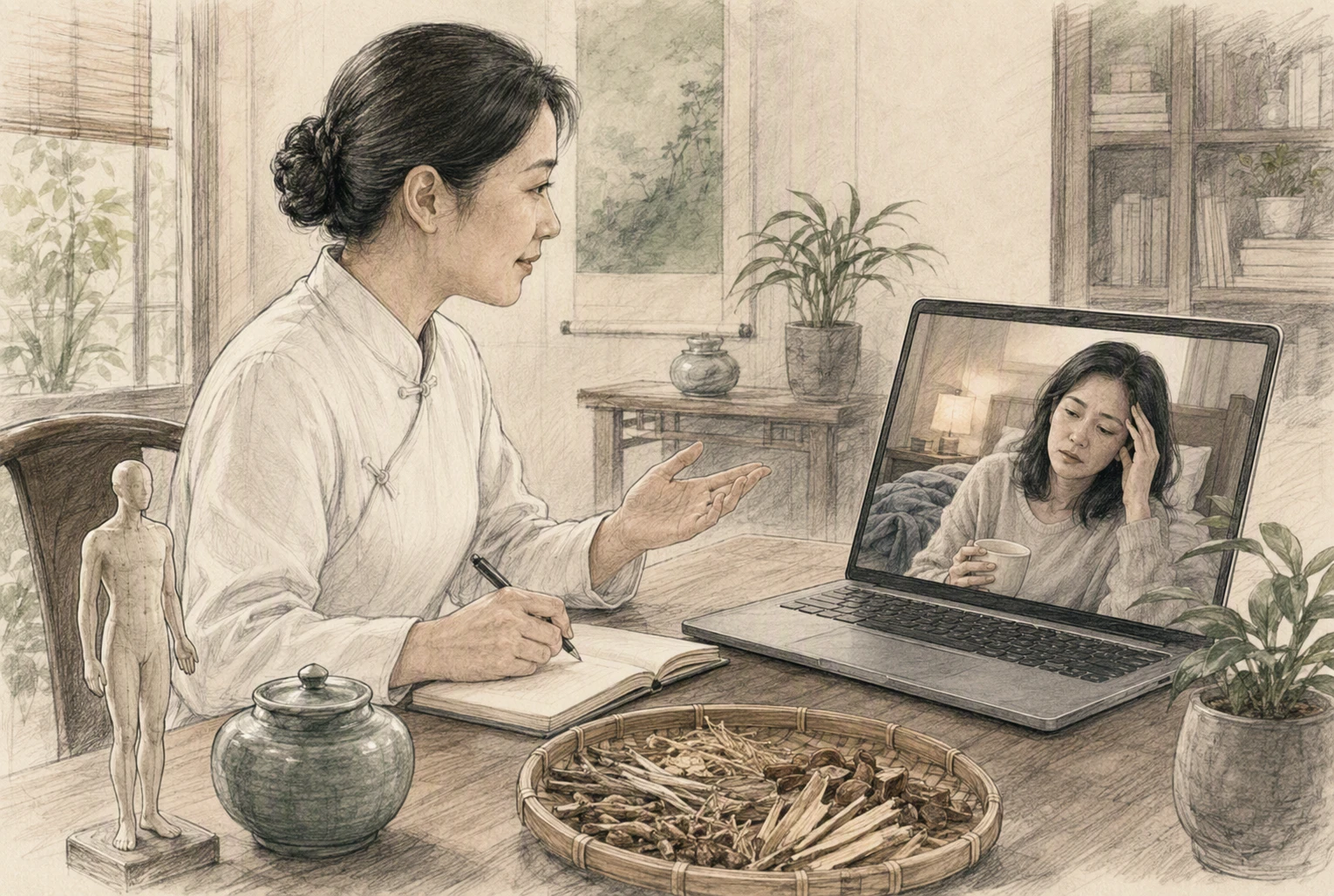
Bring a short symptom diary, your medicines list, and any recent test results.
When Online Care Is Not Enough
Remote care cannot replace urgent assessment, a physical exam, or emergency treatment. Seek prompt local medical help for chest pain, severe shortness of breath, fainting, sudden weakness, serious injury, or thoughts of self-harm.
- Do not use remote support to delay a diagnosis.
- Tell the practitioner about pregnancy, long-term conditions, and all medicines.
- Ask for in-person care when symptoms are new, severe, or getting worse.
Also Read: Traditional Chinese Medicine in 2026: What Recent Research Says
Regulation, Privacy, and Clinical Accountability Will Shape Trust
The Checks Patients Should Make Before Booking
Remote care needs clear safeguards. Italy’s telemedicine rules set functional and service requirements for providers, as outlined in the Health Ministry guidelines.
Before booking, check:
- Who provides the session – ask about training, scope, and referral limits.
- How records are protected – read the privacy notice and data-sharing terms.
- What happens if symptoms worsen – a safe provider gives clear next steps.
- Whether remote care fits the issue – it cannot replace hands-on assessment when needed.
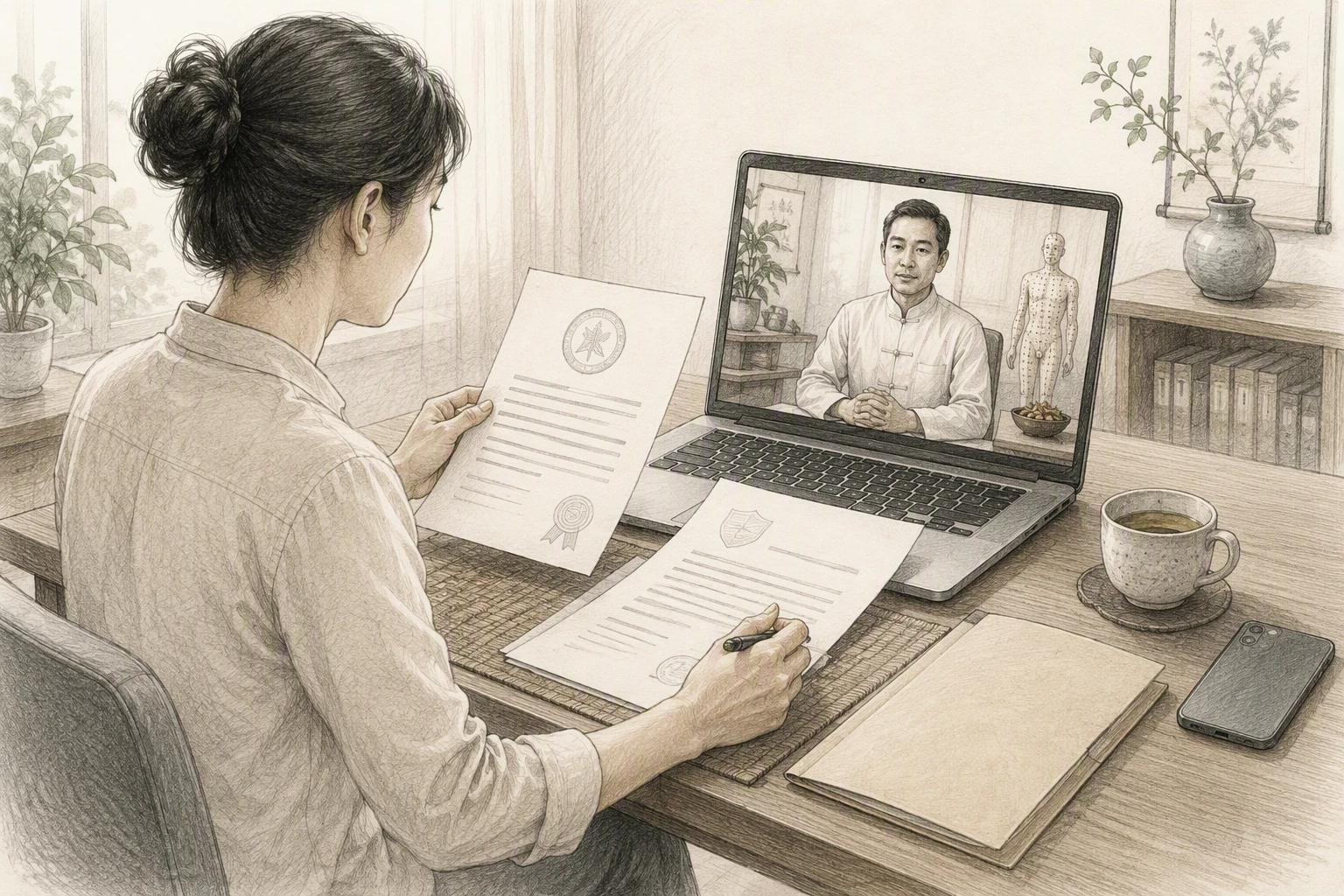
| Check | Trust signal |
|---|---|
| Privacy | Clear data-use notice |
| Accountability | Named practitioner and escalation plan |
Italy’s privacy authority stresses that health data used for care must remain under the responsibility of a professional bound by confidentiality, not simply a booking platform, as its 2024 guidance explains.
Also Read: Acupuntura in Remoto vs In-Clinic: Pros and Limits
The Next Test Is Whether Remote Chinese Medicine Becomes Part of Hybrid Care
Remote support works best as one part of care, not a full replacement for hands-on assessment. Italy’s national plan aims to make telemedicine a lasting part of local health services, with a target of 300,000 people supported by 2025, according to the Ministry of Health.
For Chinese medicine, a sensible hybrid model includes:
- Video check-ins for sleep, stress, recovery, and habits
- Clear review points for progress
- In-person referral when touch-based assessment or acupuncture is needed
Remote care should never delay urgent medical assessment.
Ready to discuss stress, sleep, or recovery remotely? Book a tailored wellbeing consultation with Medicina Cinese and get clear next steps.
Frequently Asked Questions
Q1: Create a timely news angle around the growing interest in remote Chinese medicine care.
Interest tracks wider use of remote health support in Italy. Frame it as a wellbeing option for non-urgent needs, while avoiding claims that Chinese medicine demand has been independently measured.
Q2: What can a remote consultation help with?
It may support stress, sleep habits, recovery routines, and general wellbeing. A practitioner can review symptoms, lifestyle, and goals, then suggest safe next steps.
Q3: When should I seek in-person medical care?
Seek prompt medical care for severe pain, chest symptoms, breathing trouble, sudden weakness, high fever, or worsening symptoms. Remote wellbeing support is not a substitute for urgent assessment.
Conclusion
Remote care is growing in Italy, with national telemedicine investment supporting access. Chinese medicine consultations may suit non-urgent wellbeing goals, but need clear limits, qualified care, and in-person referral when needed.