




Quick Summary: Most Italian cancer patients using complementary therapies like acupuncture and herbal medicine pay out of pocket, since insurers routinely exclude these treatments even though 72.3% of patients rely on them. With 67.5% of patients never telling their oncologist, undocumented care often gets denied as “undeclared treatment,” adding safety risks to financial strain. Tuscany’s regional pathway shows public coverage is possible, and clinics like Medicina Cinese help by documenting sessions clearly so patients can pursue supplementary insurance claims.
Most Italian cancer patients pay for complementary and alternative therapies themselves. A recent survey found 72.3% use traditional, complementary and integrative medicine, yet complementary cancer therapy coverage is rare: insurers routinely exclude acupuncture, herbal prescriptions and mind-body support. Because 67.5% of patients also skip telling their oncologist, CAM therapies insurance gaps create safety risks as well as bills. This analysis explains which alternative cancer treatment insurance exclusions apply, why Tuscany’s pilot still leaves self-pay gaps in integrative oncology insurance Italy, and how to appeal a denied claim.
Which Complementary Cancer Therapies Insurers Routinely Exclude
The Most Common Exclusion List in Italy and the EU
Most statutory and private plans in Italy and the EU refuse to pay for complementary and alternative therapies used alongside cancer care. The usual exclusions cover acupuncture, herbal prescriptions, homeopathy, energy therapy, massage and tai chi. A 2026 review confirms that most CAM services are not reimbursed, so patients pay out of pocket. Italy is stricter still: under the European Parliament’s 2021 findings, only medical doctors may deliver certain practices, which narrows reimbursement further.
Why Disclosure Failures Trigger Denials
Insurers often deny claims when a therapy was never declared. Because 67.5% of patients skip telling their oncologist, undocumented complementary and alternative therapies surface later as “undeclared treatment”, a standard reason for rejection. Cancer centers note that pre-approval and written documentation decide most claims. Ask your insurer in writing before starting any therapy, and keep every receipt.
Italy’s Regional Pilots Show What Coverage Could Look Like
Tuscany’s Two-Decade Integration Track Record
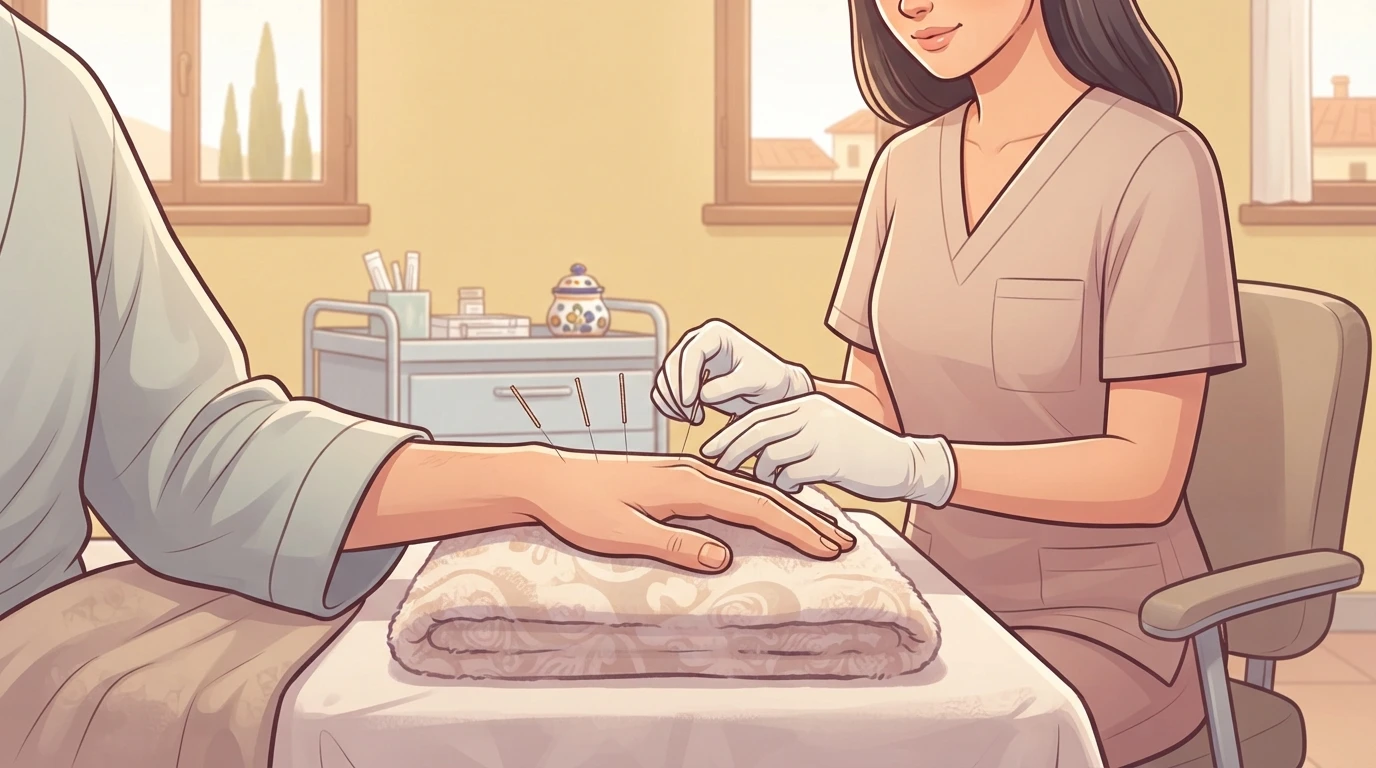
Tuscany proves public coverage of complementary medicine is possible. A 2007 regional law allows acupuncture, homeopathy and phytotherapy inside public health facilities, and dozens of public clinics now offer these services. Since the 1990s the regional cancer network has also woven these therapies into oncology care, and the region’s Diagnostic and Therapeutic Care Pathway for integrative cancer support was presented as a best practice. In practice, patients get acupuncture for treatment side effects through the health system, not out of pocket.
National Signals: WHO Strategy and ASCO 2025
Momentum is not only Italian. The WHO’s new traditional medicine strategy pushes member states toward integrating proven practices, and American oncology bodies now back acupuncture for certain cancer-related symptoms. Where evidence leads, insurers eventually follow.
How to Appeal a Denied Claim for Complementary Cancer Therapy
Build a Documented Medical-Necessity File
Insurers deny what they cannot verify, so start with paperwork. Read the denial letter to find the exact reason, then gather an oncologist’s letter linking acupuncture or herbal therapy to your treatment, session notes, and receipts. Because 67.5% of patients skip telling their oncologist, undocumented care often gets rejected as “undeclared treatment”.

Escalate Through Regional and Private Channels
If the internal appeal fails, escalate. Ask your oncology team to support a second-level review, and in Lombardy or Tuscany ask whether the regional cancer network’s integrative pathway covers your therapy. Swiss patients in Ticino can request supplementary insurance review, since basic policies rarely pay for complementary medicine. Practitioners who provide detailed clinical notes, as acupuncture sessions typically involve, make each appeal file stronger.
Why Most Italian Patients Still Pay Out of Pocket
The Numbers Behind Self-Pay
Italy’s public health service (SSN) covers conventional cancer care, but acupuncture and herbal medicine rarely make the list. A 2022 Lancet Global Health study found cancer patients in universal-coverage systems fund most complementary medicine themselves, creating real “financial toxicity”, with 26% of Italian patients reporting money strain even before treatment starts.
How Medicina Cinese Helps Bridge the Gap
Clinics can’t fix reimbursement rules, but they can plan around them. Some practitioners, including Medicina Cinese through its integrative health work, prioritize low-cost, high-value therapies and document every session so patients can claim from supplementary policies. Ask before your first visit what a full course costs.

Facing these gaps alone is costly. Medicina Cinese offers personalized acupuncture and herbal support you can plan for, remotely or in person. Tell your oncologist, then book a consultation today.
Frequently Asked Questions
Q1: What are complementary and alternative therapies in modern healthcare?
Non-conventional practices used alongside or instead of standard cancer care, such as acupuncture, herbal prescriptions, homeopathy and mind-body support.
Q2: Why does insurance not cover complementary cancer therapies?
Insurers classify them as unproven or experimental, exclude them by policy wording, and deny claims that lack written pre-approval or an oncologist’s documented support.
Q3: How to appeal denied coverage for alternative cancer treatment?
Read the denial letter, gather an oncologist’s letter linking therapy to your treatment, plus session notes and receipts. Then request internal review and, if refused, regional or supplementary-insurer escalation.
Q4: What complementary cancer therapies are most often excluded by insurers?
Acupuncture, herbal prescriptions, homeopathy, energy therapy, massage and tai chi, even when prescribed alongside conventional oncology care.
Q5: Can regional programs in Italy cover these therapies?
Tuscany’s pathway funds acupuncture within public clinics, so ask your regional cancer network before paying privately.
Conclusion
Insurance still excludes most complementary cancer therapies, so documentation decides outcomes. Tell your oncologist, ask insurers in writing, and check regional pathways like Tuscany’s before paying out of pocket.