


'/%3E%3C/svg%3E)

'/%3E%3Cpath%20fill='%23b2b2b2'%20d='M241%20382q0%2016%2017%2026%2017%2011%2042%2011t42-11q16-11%2017-26V269H241'/%3E%3Cpath%20fill='%239f7e00'%20d='M241%20379q0%2014%208%2023%209%209%2021%209%2014%200%2021-9%209-9%209-23V269h-59'/%3E%3Cpath%20d='M241%20339v-70h59v110q0%2014-9%2023l-6%205v-68h-15v72q-8%200-14-4v-68zm59%2040c0%2022%2015%2032%2029%2032%2021%200%2030-18%2030-32v-40h-59'/%3E%3Cpath%20fill='%239f7e00'%20d='M266%20277v5h2v12h-3v-5h2v-5h-9v5h2v5h-4v9h3v18h-5v10h34v-10h-5v-18h3v-9h-4v-5h2v-5h-9v5h2v5h-3v-12h2v-5zm42%20101q0%2010%206%2017%206%206%2015%207%2010-1%2016-7%206-7%206-17v-29h-43'/%3E%3Ccircle%20fill='%230044ad'%20cx='329.5'%20cy='372'%20r='6'/%3E%3Cellipse%20fill='%230044ad'%20cx='300'%20cy='340'%20rx='16'%20ry='21'/%3E%3C/svg%3E)


'/%3E%3C/svg%3E)

Quick Summary: Natural medicine supports autoimmune conditions by calming immune reactivity and restoring systemic balance rather than broadly stimulating defenses. Traditional Chinese Medicine leads these approaches alongside anti-inflammatory nutrition, botanical modulators, and mind-body practices. Medicina Cinese addresses root imbalances through tailored acupuncture and vetted herbal formulas that safely complement conventional medical treatments.
Autoimmune conditions need natural medicine that calms immune reactivity without blunting your defenses or sparking flares. Standard drugs often quiet acute symptoms, yet chronic fatigue, low-grade gut inflammation, and dysregulation remain. Natural medicine for autoimmune issues can fill that gap. This guide covers five approaches chosen from clinical trials measuring CRP and TNF-alpha, neuro-immune pathways, and safety alongside conventional care. Used with your doctor’s oversight, natural medicine for autoimmune issues helps restore balance rather than fight your body.
Supportive Natural Approaches at a Glance
| Approach | Best for | Primary Mechanism | Clinical Focus |
|---|---|---|---|
| Traditional Chinese Medicine and Acupuncture | Autonomic regulation, chronic inflammation, and constitutional balance | Vagal nerve stimulation and cytokine modulation | Neuro-immune balance and symptom stabilization |
| Targeted Anti-Inflammatory Nutritional Protocols | Minimizing antigenic gut triggers and mucosal barrier recovery | Removal of immunogenic proteins and reduction of intestinal permeability | Gastrointestinal homeostasis and systemic symptom relief |
| Prescriptive Botanical Immunomodulators | Downregulating pro-inflammatory signaling pathways like NF-kB | Targeted suppression of inflammatory cytokines and oxidative mediators | Biochemical pathway modulation and connective tissue protection |
| Mind-Body Neuro-Immune Interventions | Stress-induced flare mitigation and parasympathetic vagal stimulation | HPA axis recalibration and reduction of sympathetic stress signaling | Autonomic nervous system recovery and flare prevention |
Understanding Natural Medicine in Autoimmune Care
Autoimmune conditions involve an immune system that reacts too strongly. So natural medicine does not try to stimulate it further. The goal is immunomodulation: calming and rebalancing the response while restoring systemic homeostasis, the body’s overall equilibrium.
Practitioners focus on three areas: the gut-immune interface, stress pathways that link the nervous system to hormones, and lingering tissue inflammation. Addressed together, these can support remission and daily energy alongside your rheumatologist’s care.
1. Traditional Chinese Medicine and Acupuncture
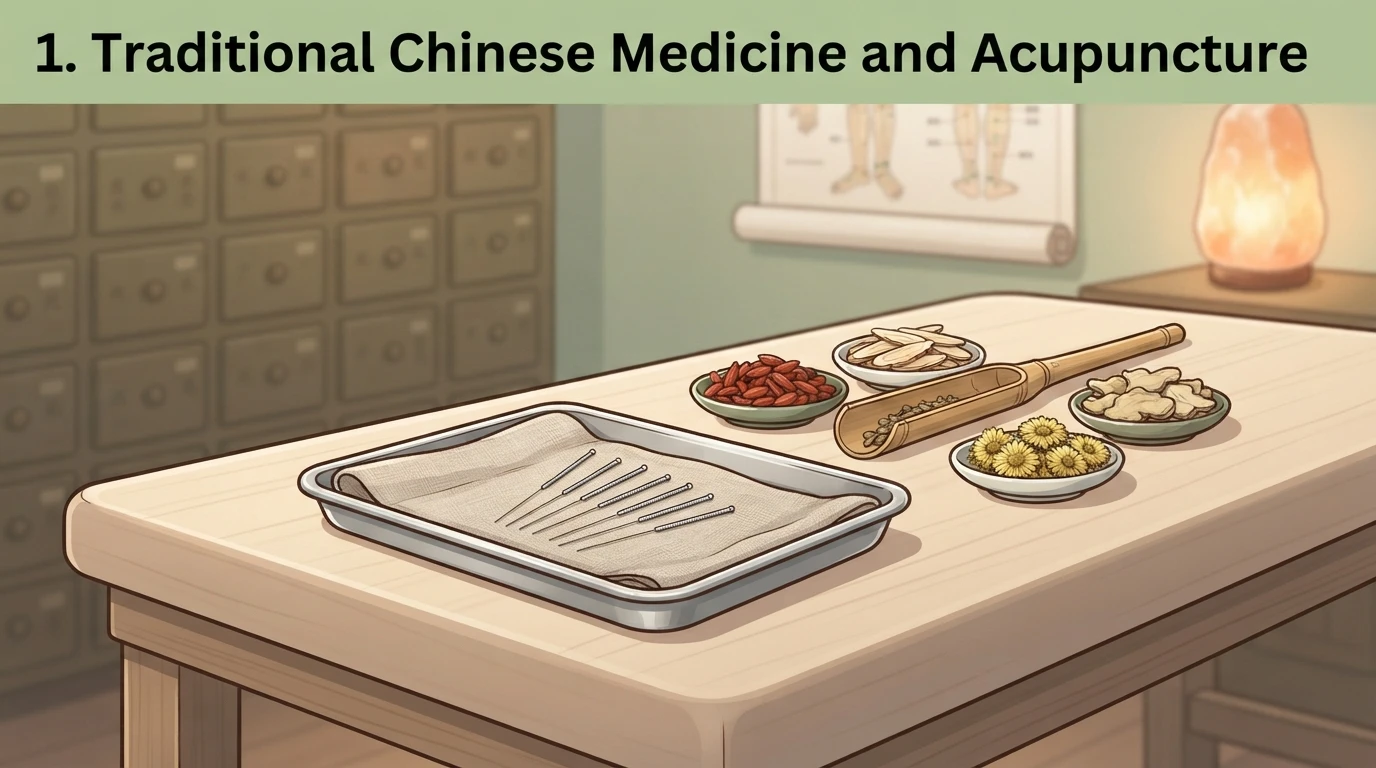
Acupuncture and TCM offer targeted regulation of the neuro-endocrine-immune network. Somatic needling activates the cholinergic anti-inflammatory pathway, where the vagus nerve suppresses cytokines such as TNF-alpha and IL-6, as reviewed in this neuro-immune analysis. At Medicina Cinese, diagnosis separates root disharmony (Ben) from symptoms (Biao) – think Yin deficiency or Toxic Heat – to shape personalized needle protocols and herbal formulas. Practitioners choose between methods based on your pattern, as outlined in their acupuncture vs herbal prescriptions guide.
Highlights
- Activates the vagal cholinergic anti-inflammatory pathway
- Distinguishes root cause (Ben) from symptom (Biao)
- Combines meridian needle protocols with herbal prescriptions
Specs
- Best for: Autonomic regulation, chronic inflammation, constitutional balance
- Primary mechanism: Vagal nerve stimulation and cytokine modulation
- Clinical focus: Neuro-immune balance and symptom stabilization
Pros
- Non-pharmaceutical relief for systemic pain and fatigue
- Plans matched to real-time metabolic and immune status
Cons
- Needs consistent multi-week sessions to hold autonomic gains
- Requires certified TCM practitioners for safe herbal integration
It ranks first because it regulates autonomic tone and chronic pain without blanket immunosuppression.
Last updated: October 7, 2026
2. Targeted Anti-Inflammatory Nutritional Protocols
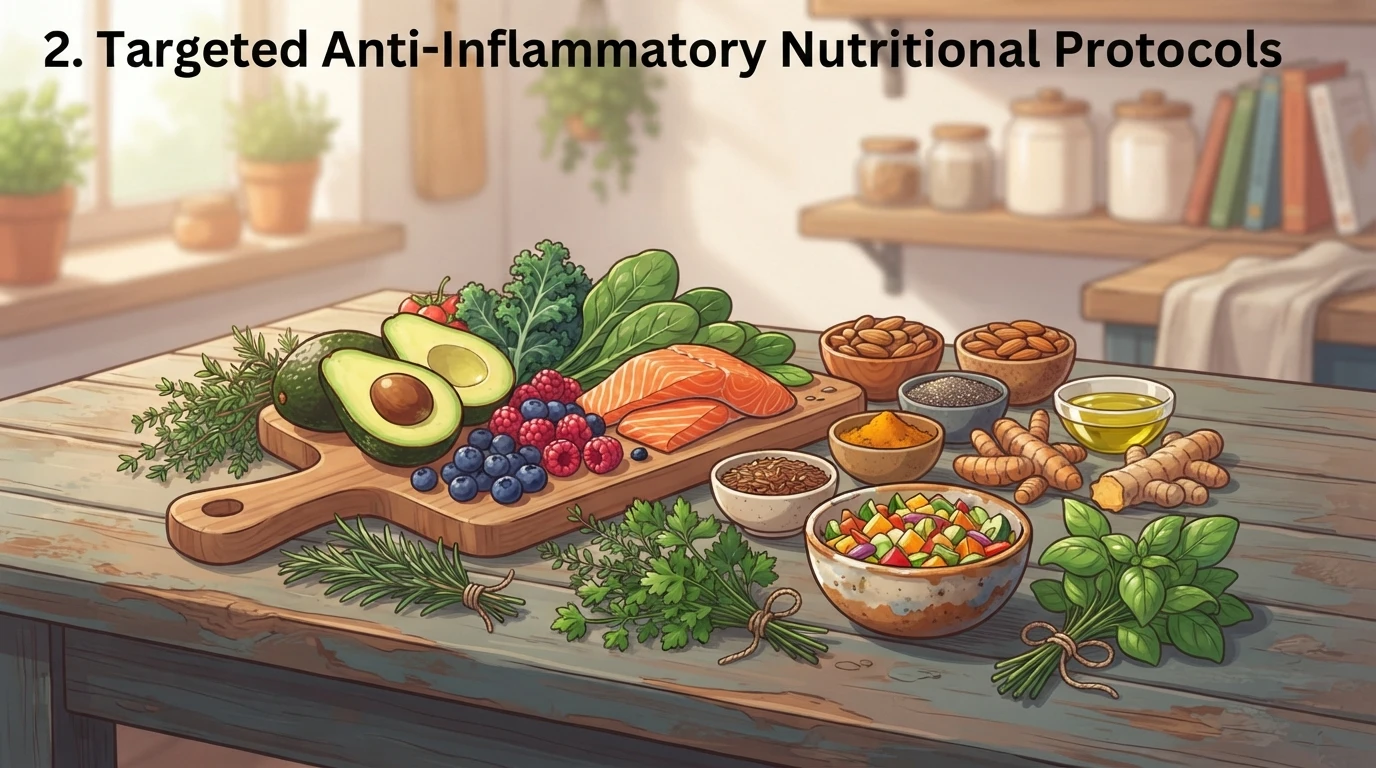
Diet is the fastest lever you control. Protocols like the Autoimmune Protocol (AIP) or Mediterranean-style frameworks remove dietary antigens (gluten, refined additives, reactive lectins), then rebuild with polyphenol- and omega-3-rich foods that support gut lining repair. A pilot study found 73% of IBD patients reached clinical remission after 11 weeks on AIP, and studies in Hashimoto’s thyroiditis show measurable hs-CRP reductions.
Highlights
- Phased elimination and controlled reintroduction to identify your personal triggers
- Restores mucosal barrier integrity, reducing systemic antigen leakage
- Small trials show falling high-sensitivity C-reactive protein levels
Pros
- Directly targets intestinal permeability and food-antigen reactions
- Builds daily self-care skills you control
Cons
- Elimination phases need guidance to avoid micronutrient gaps; lasting discipline required
It ranks second because removing dietary antigens lifts the immune system’s daily workload, and a guided nutrition plan keeps elimination phases safe.
Last updated: October 7, 2026
3. Prescriptive Botanical Immunomodulators
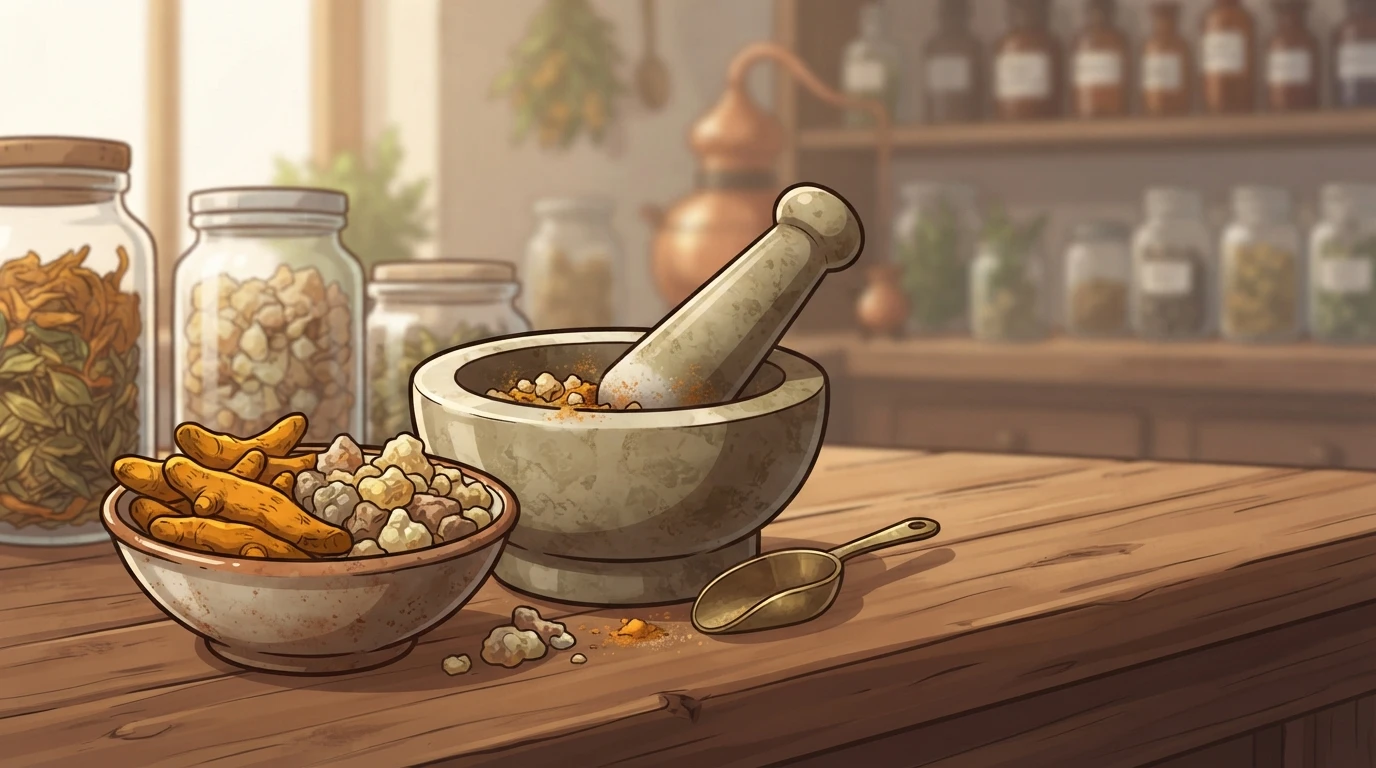
Botanical medicine works through specialized phytochemicals that regulate immune signaling instead of non-specifically boosting white cell activity. Bioavailable curcuminoids and Boswellia serrata inhibit the NF-κB pathway, curbing downstream cytokine cascades – a curcumin study confirms this mechanism. Practitioners avoid immunostimulatory herbs like echinacea during flares, and a tailored herbal formula is safer than self-prescribing.
Highlights
- Inhibits NF-κB, COX-2, and 5-LOX enzymatic pathways
- Selective immunomodulation rather than non-specific immunostimulation
- Supports joint comfort, tissue preservation, and oxidative balance
Pros
- Targeted biochemical action with extensive preclinical and clinical data
- Pairs well with diet and acupuncture for synergistic anti-inflammatory effects
Cons
- May interact with prescription immunosuppressants
- Poor bioavailability unless you use specialized lipid or phytosome delivery
It ranks here because it offers potent anti-inflammatory action that can reduce reliance on analgesics when closely supervised.
Last updated: October 7, 2026
4. Mind-Body Neuro-Immune Interventions
Psychological stress fuels sympathetic overactivity and unstable cortisol signaling, which erodes immune tolerance and triggers flares. Practices like MBSR, restorative yoga, and Qigong lift parasympathetic tone; mindfulness meditation has shown measurable effects on immune function.

Highlights
- Downregulates overactive HPA axis activity
- Raises heart rate variability, a key marker of vagal immune regulation
- Eases fatigue, brain fog, and muscle tension
Pros
- Zero drug-interaction risk
- Improves sleep and emotional resilience
Cons
- Needs daily consistency
- Not a substitute for acute anti-inflammatory care
It ranks here because it breaks the stress-autonomic-inflammation cycle driving flares.
Last updated: October 7, 2026
Additional Supportive Modality
The approaches above calm systemic inflammation and neuro-immune tone. But healing also depends on the gut, where immune balance is shaped daily. Restoring intestinal ecology is a foundational pillar of lasting recovery.
- Targeted Gut Microbiome Restoration – Uses synbiotics, butyrate enhancement, and mucosal repair to seal permeable intestinal junctions.
How to Select the Right Supportive Natural Approaches
- Safety first. Choose practitioners who cross-check herbs against your immunosuppressive drugs.
- Modulate, don’t stimulate. Avoid “immune-boosting” supplements; aim for balance instead.
- Baseline your diet. Settle digestion before adding complex botanical formulas, so you know what works.
- Add physical modalities. Acupuncture can calm autonomic overdrive and ease inflamed tissue.
- Track markers. Follow hs-CRP and ESR alongside a daily symptom journal.
Medicina Cinese fits all five. Each herbal prescription is checked against your current medication, and acupuncture plans are tailored after a full TCM diagnosis, with remote options worldwide.
If autoimmune flare-ups keep disrupting your life, a personalized TCM plan can help calm them. Book a consultation with Medicina Cinese and get care tailored to you.
Frequently Asked Questions
Q1: Give readers a concise list of supportive natural medicine approaches for autoimmune concerns.
Acupuncture, herbal prescriptions, energy therapy, anti-inflammatory diet, and stress reduction. Medicina Cinese personalizes each plan after a traditional diagnosis.
Q2: Can natural medicine replace my medication?
No. These approaches support standard care. Always keep your rheumatologist informed before starting herbs.
Q3: How soon might I notice changes?
Some feel calmer after one session; immune-related shifts usually need several weeks of consistent treatment.