


Quick Summary: Six energy healing techniques can ease chronic stress, each working through a different route: acupuncture uses fine needles at points like Yintang and Shenmen to rebalance qi, Reiki offers deeply restful hands-on or non-touch sessions, qigong provides a daily self-practice of slow movement and breath, and EFT combines fingertip tapping on the same meridian points with cognitive reframing. Acupuncture leads the list because it has the strongest research base and wide availability at TCM clinics in Italy and Ticino, including Medicina Cinese, which pairs it with herbal prescriptions and remote sessions. Subtle-energy methods tend to build over three to six sessions rather than resolve in one visit, so matching the technique to your specific symptom (body-held tension, nervous-system overload, or thought-triggered stress) matters more than picking the most popular option.
When stress stays switched on for weeks, even simple energy healing for stress can signal your nervous system that it is safe to settle. Most readers here want more than a generic overview: they want to know which method fits their symptoms, schedule, and comfort with touch. The six techniques below are the ones clinics in Italy and Switzerland recommend most often for stress, poor sleep, and burnout. Each follows the same pattern, drawn from Cleveland Clinic and Mayo Clinic sources plus TCM practitioners in Lugano and Milan, so you can compare energy healing for stress like for like. This is a practical guide, not a ranking.
Techniques at a Glance
| Technique | Best for | Touch required | Session length | Evidence note |
|---|---|---|---|---|
| Acupuncture | Chronic stress with sleep or pain symptoms | Needles, very fine and sterile | 45 to 60 minutes including intake | Most studied of the six techniques |
| Reiki | Deeply burned-out clients who want full rest | Light touch or hands hovering | 45 to 75 minutes | Some pilot studies on relaxation and pain |
| Qigong | People who want a self-practice between sessions | None, fully self-led | 10 to 30 minutes daily | Positive signals for sleep and blood pressure |
| Emotional Freedom Technique (EFT) tapping | Stress tied to specific thoughts or memories | Self-applied fingertip tapping | 2 to 5 minutes per round | Growing but still mixed research base |
What to know about energy healing for stress
Energy healing for stress covers practices that work with subtle energy, breath, or the body’s meridian system to calm the nervous system. Think acupuncture, Reiki, and similar touch-based methods.
None of these replace medical care. But interest keeps growing because stressed clients often report better sleep, fewer tension headaches, and a deeper sense of calm.
The six techniques below are the ones most commonly offered in integrative and TCM clinics across Italy and Ticino.
1. Acupuncture
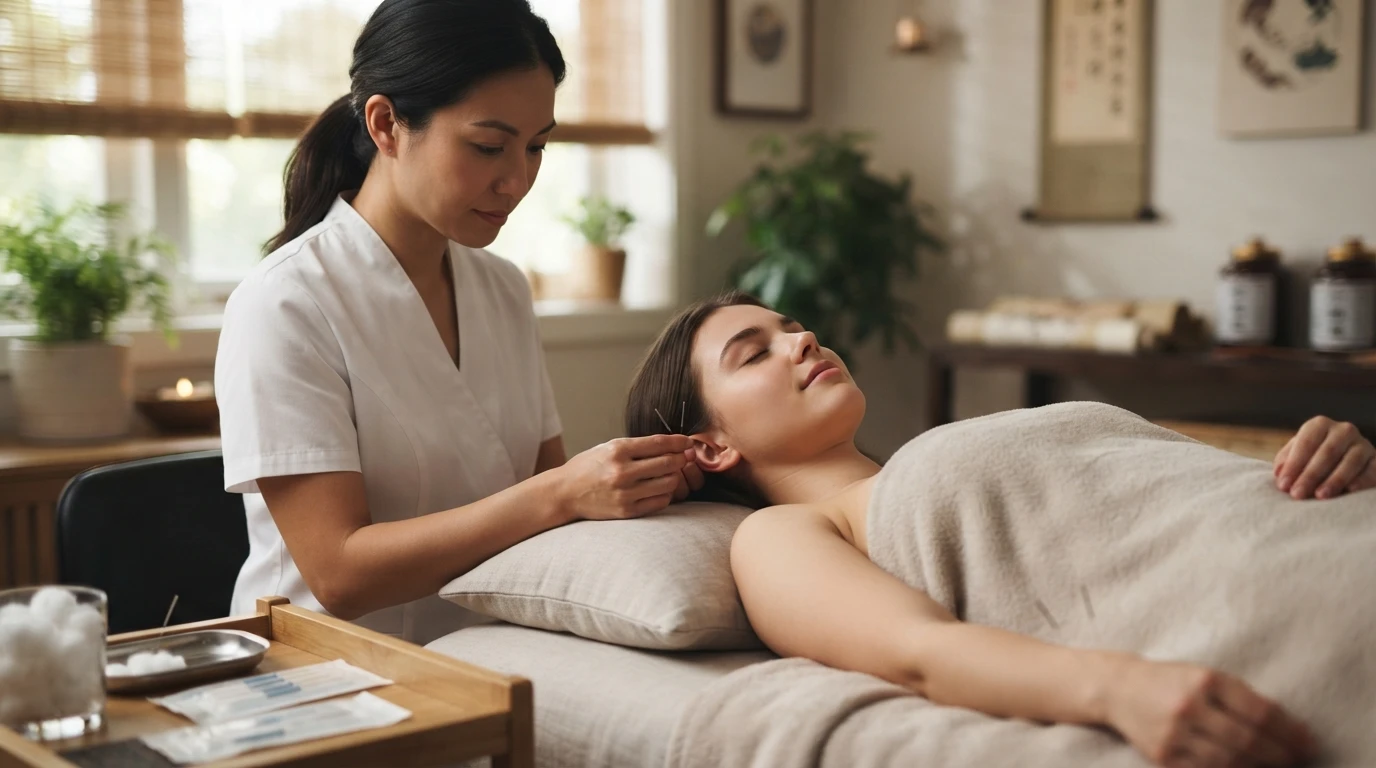
Acupuncture is a traditional Chinese medicine (TCM) technique where a practitioner places very fine, sterile needles at specific points to rebalance qi and calm the stress response. Points like Yintang and Shenmen are chosen to ease anxiety and support sleep, and clinical reviews back their use for anxiety relief. It is widely offered at TCM stress clinics in Italy and Ticino.
Highlights
- Common stress points include Yintang, Shenmen on the ear, and Hegu on the hand
- The most clinically researched of the six techniques, mostly for anxiety, tension headaches, and insomnia
Specs
- Best for: Chronic stress with sleep or pain symptoms
- Touch required: Needles, very fine and sterile
- Session length: 45 to 60 minutes including intake
- Evidence note: Most studied of the six techniques
Pros
- Widely available at Italian and Swiss TCM clinics
- Can be combined with herbal prescription and lifestyle advice
Cons
- Requires needle tolerance, which not everyone has
- Best results usually need a short course, not a single visit
It ranks first because it is the most studied and most accessible option in the Lugano-Milan corridor.
Last updated: October 16, 2026
2. Reiki
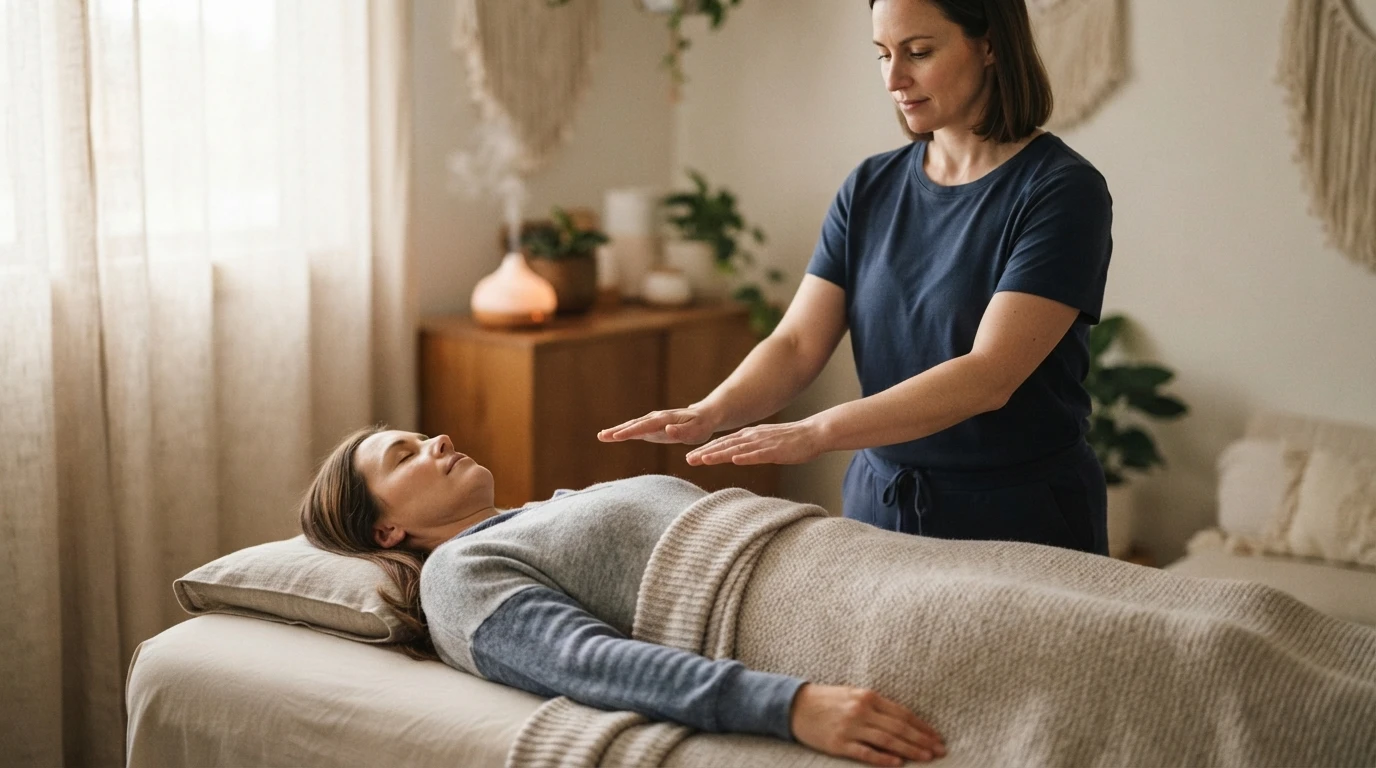
Reiki is a Japanese practice from the early 20th century. The practitioner rests their hands lightly on or just above your clothed body, working through set positions on the head, torso, and limbs. The reported effect is a deep parasympathetic shift: slower breathing, a softened jaw, and very deep rest.
Highlights
- Originated in Japan in the early 20th century
- Non-invasive and requires no undressing
- Often used in hospital and hospice settings as relaxation support
Specs
- Best for: Deeply burned-out clients who want full rest
- Touch required: Light touch or hands hovering
- Session length: 45 to 75 minutes
- Evidence note: Some pilot studies on relaxation and pain, though NCCIH notes the evidence is not yet clear
Pros
- Completely non-invasive, no undressing needed
- Easy to combine with acupuncture or massage in the same week
- Many clients feel deeply rested even after one session, and a recent meta-analysis found lower heart rate and blood pressure
Cons
- Practitioner quality varies, so training lineage matters
- Scientific evidence is still preliminary
It ranks near the top because reiki is the most widely recognized Western subtle-energy technique and the one stressed clients ask about first.
Last updated: October 16, 2026
3. Qigong
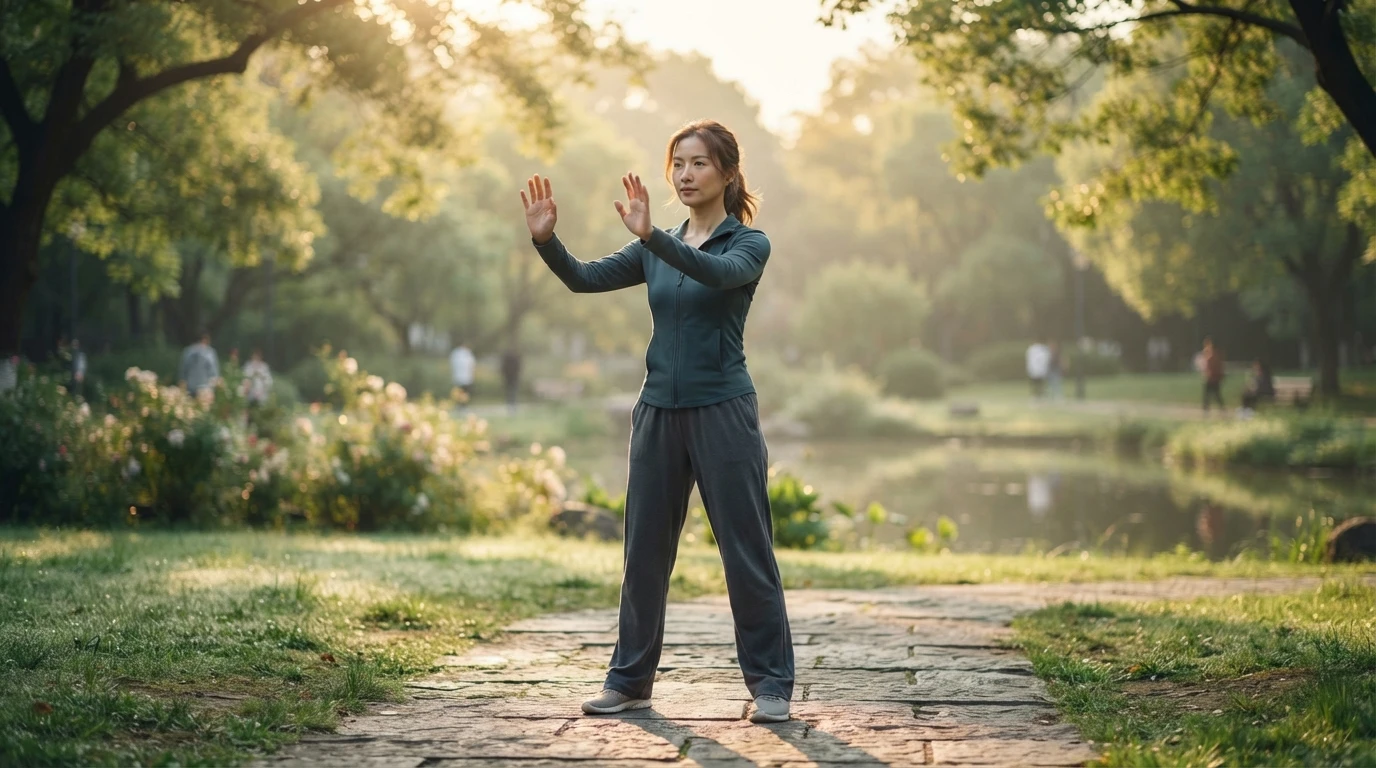
Slow movement and breath work that moves qi and quiets the mind. Qigong blends gentle standing sets like Baduanjin with simple seated breathing, and once a teacher has shown you the form, you can lead yourself. A meta-analysis of Baduanjin studies found benefits for sleep quality and balance, which suits busy executives and athletes well.
Highlights
- Rooted in traditional Chinese medicine
- Includes both movement and seated breathing styles
- Often taught in groups, which adds a social-relaxation element
- For a starting routine, see how to create your daily energy practice
Specs
- Best for: People who want a self-practice between sessions
- Touch required: None, fully self-led
- Session length: 10 to 30 minutes daily
- Evidence note: Positive signals for sleep and blood pressure
Pros
- Can be practised daily at home with no equipment
- Builds long-term resilience to stress, not just short-term relief
- Suitable for most ages and fitness levels
Cons
- Form quality matters, so an initial teacher is recommended
- Effects build over weeks rather than minutes
Qigong earns the third slot because it is the only technique here that gives you a usable self-practice between appointments.
Last updated: October 16, 2026
4. Emotional Freedom Technique (EFT) tapping
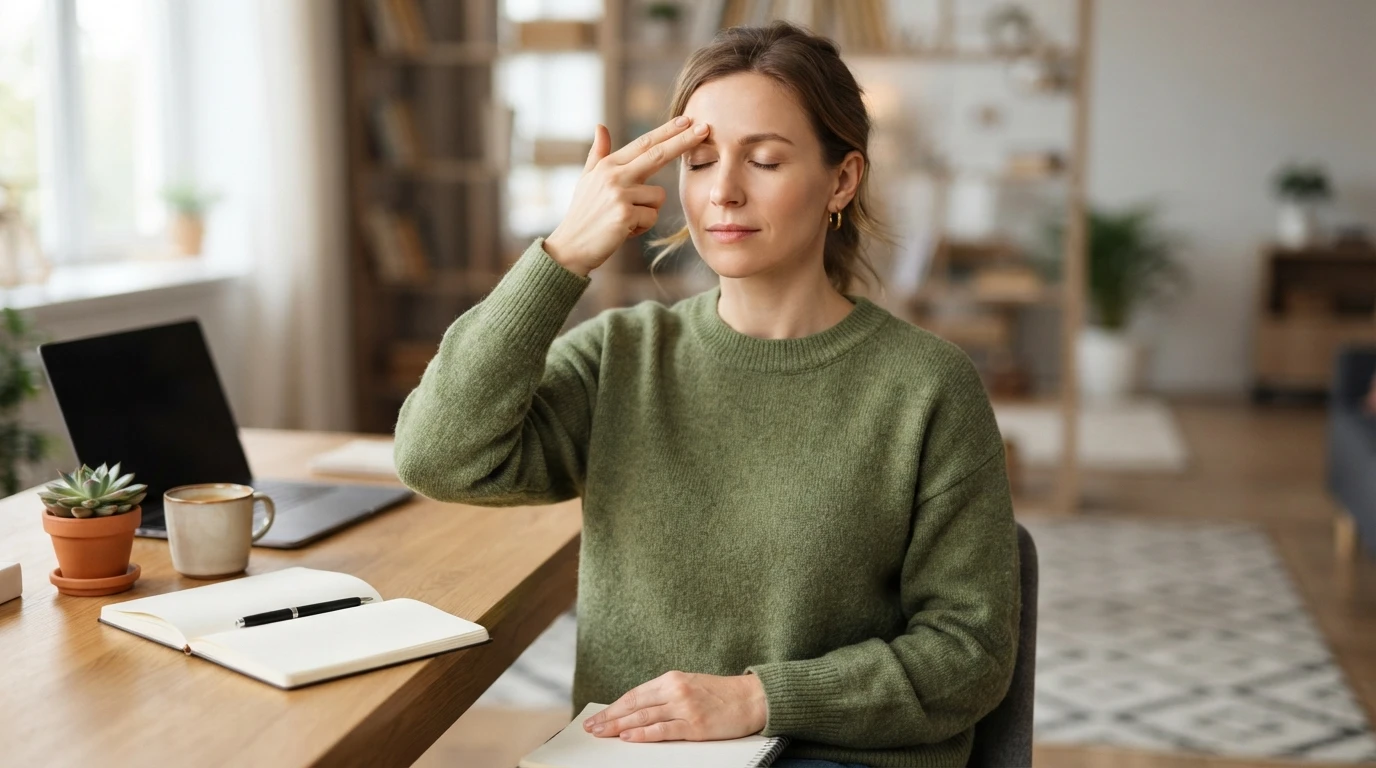
In EFT, you tap with your fingertips on the same meridian points used in acupressure, without needles, while repeating a short phrase that names your stress trigger. This mix of light pressure and cognitive reframing is what practitioners credit with calming the stress response. One round takes two to three minutes once memorised, and reviews suggest moderate to large effects on stress and anxiety, though the evidence base is still mixed.
Highlights
- Uses acupuncture meridian points, needle-free and self-taught
- A hybrid of exposure therapy and acupressure
Specs
- Best for: Stress tied to specific thoughts or memories
- Touch required: Self-applied fingertip tapping
- Session length: 2 to 5 minutes per round
- Evidence note: Growing but still mixed research base
Pros
- Free, portable, usable at the moment of stress
- Combines a physical action with cognitive reframing
Cons
- The verbal component feels awkward to some
- Works best when done consistently, which takes discipline
EFT earns fourth place because it bridges TCM points and a Western cognitive frame, the easiest entry point for sceptics.
Last updated: October 16, 2026
Honourable Mentions
Two other methods rarely appear on stress-focused lists, but they can help if the six above don’t fit your needs. Both suit people who prefer a quieter approach than the main techniques.
- Pranic Healing – A non-touch method that scans the aura for stress-related blockages and clears them with directed breath
- Polarity Therapy – Combines gentle touch, simple body movement, and dietary awareness to release long-held tension patterns
How to choose the right energy healing technique for stress
- Match the method to the symptom. Acupuncture and qigong suit body-held tension; Reiki fits nervous-system overload; EFT targets stress triggered by specific thoughts.
- Pick your format: hands-on, non-contact, or self-practice you can use between appointments.
- Check credentials. For acupuncture, a recognised TCM or medical qualification matters for safety.
- Plan three to six sessions, since subtle-energy methods build rather than resolve in one sitting.
A personalised clinic that pairs acupuncture with herbal prescriptions and remote sessions, such as Medicina Cinese, covers all three formats in one place.
Keep your usual medical care, and tell your primary provider what you add.
If stress has been running your days, a personalized plan can help. Explore acupuncture, Reiki, and energy therapies at Medicina Cinese and book your first session.
Frequently Asked Questions
Q1: Introduce commonly discussed energy healing methods used for stress relief and relaxation.
The most discussed methods are acupuncture, Reiki, qigong, and EFT tapping. Each calms the nervous system differently: needle stimulation, light touch, slow movement, or self-applied tapping on meridian points.
Q2: How many sessions before I feel results?
Most subtle-energy methods build over three to six sessions rather than one visit, so plan a short course and track sleep, tension, and mood.
Q3: Can I combine two techniques, like acupuncture and qigong?
Yes. Many clinics pair hands-on sessions with a daily self-practice, which reinforces results between appointments.