



Quick Summary: Traditional Chinese medicine in Italy combines symptom review, tongue inspection, pulse reading, and pattern-based treatment planning to tailor acupuncture, herbal formulas, massage, moxibustion, cupping, qigong, or lifestyle advice to each patient. Evidence is strongest for acupuncture in managing chronic pain, while herbs may support stress and recovery but require careful review for interactions with medicines. Medicina Cinese offers in-person treatments plus remote consultations, herbal prescriptions, and qigong coaching for patients across Italy and Ticino.
Eight needles on the wrist and a two-minute radial pulse reading: that is how a proper clinica china consultation in Italy begins, and it looks nothing like the single-point pain treatment most patients know. This guide maps every traditional Chinese treatment on offer here, from acupuncture and herbal medicine to tui na and qigong. We explain how diagnosis works, who each therapy suits, and what the evidence honestly supports.
What Clinica China Offers: The Main Treatment Modalities
Traditional Chinese medicine (TCM) in Italy rests on a small set of core treatments, each with a clear purpose:
- Acupuncture: fine needles placed at specific points to ease pain and stress.
- Chinese herbal formulas: blended prescriptions matched to your pattern, not one herb.
- Moxibustion, cupping and tui na: heat, suction and massage methods used alongside needles.
- Qigong and lifestyle coaching: breathing, movement and daily habits you keep at home.
Acupuncture and the Alongside Therapies It Combines With
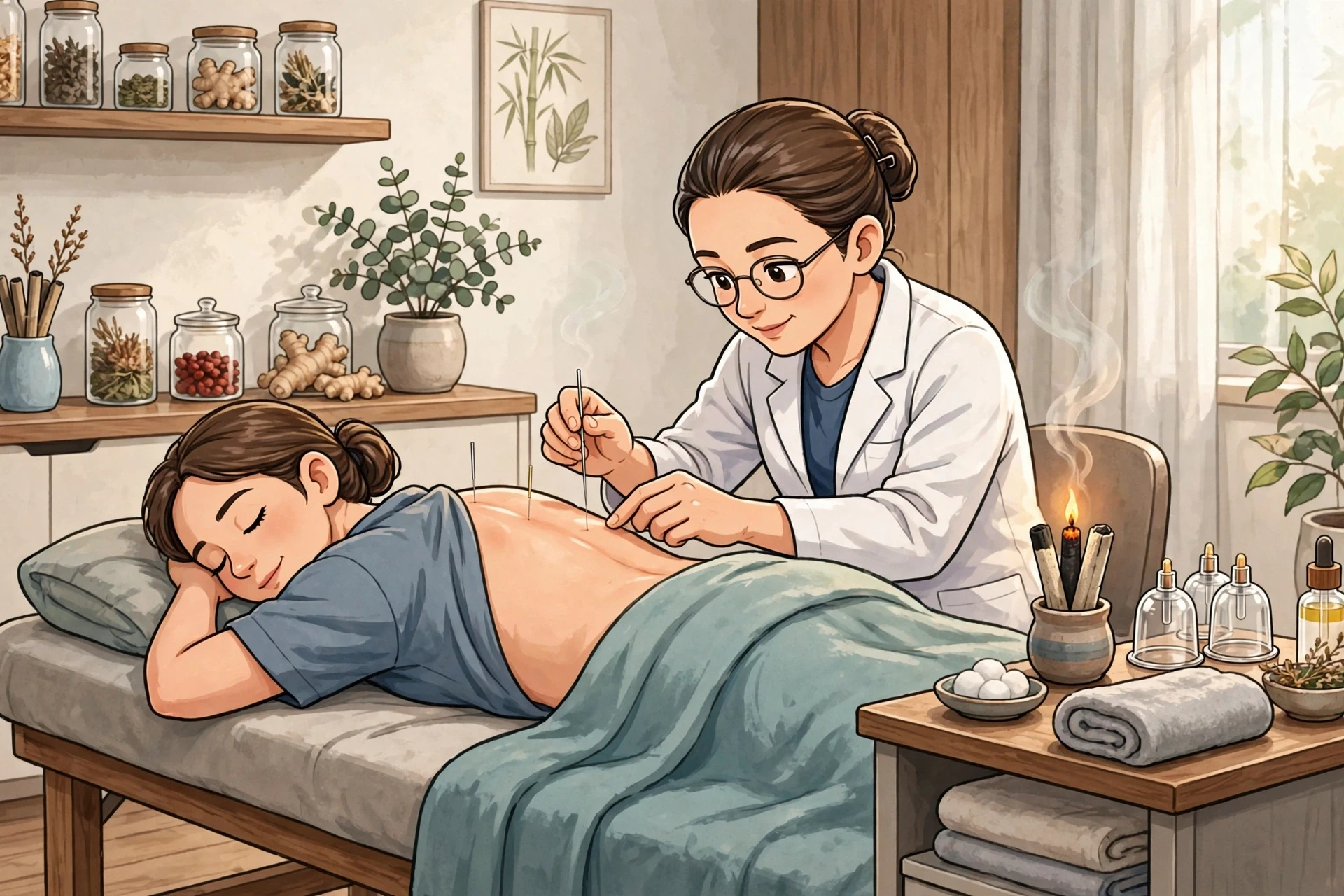
Acupuncture is the best-known entry point, and demand for acupuncture in Italy keeps growing. A practitioner inserts thin, sterile needles at points chosen through pulse and tongue diagnosis. Moxibustion warms those points, cupping releases tight tissue, and tui na massage works the muscles. For a sense of how a session runs, see what to expect from your first acupuncture session.
Chinese Herbal Prescriptions: Formulas, Not Single Herbs
Chinese herbal medicine in Italy works through formulas: combinations of several herbs that balance each other. The practitioner adjusts the mix after diagnosis, so two people with the same complaint may get different prescriptions. Formulas come as decoctions, granules or pills, and quality sourcing matters. Always report any medicines you take, because herb-drug interactions are a real risk.
Manual, Energy-Based and Lifestyle Treatments
Beyond needles and herbs, TCM adds tui na massage, qigong exercise and dietary advice. These methods suit people who want support between sessions or prefer non-needle care. At Medicina Cinese, treatments are personalized and can also be delivered remotely, so the plan adapts to your goals and location.
How a Chinese Medicine Diagnosis Is Actually Made
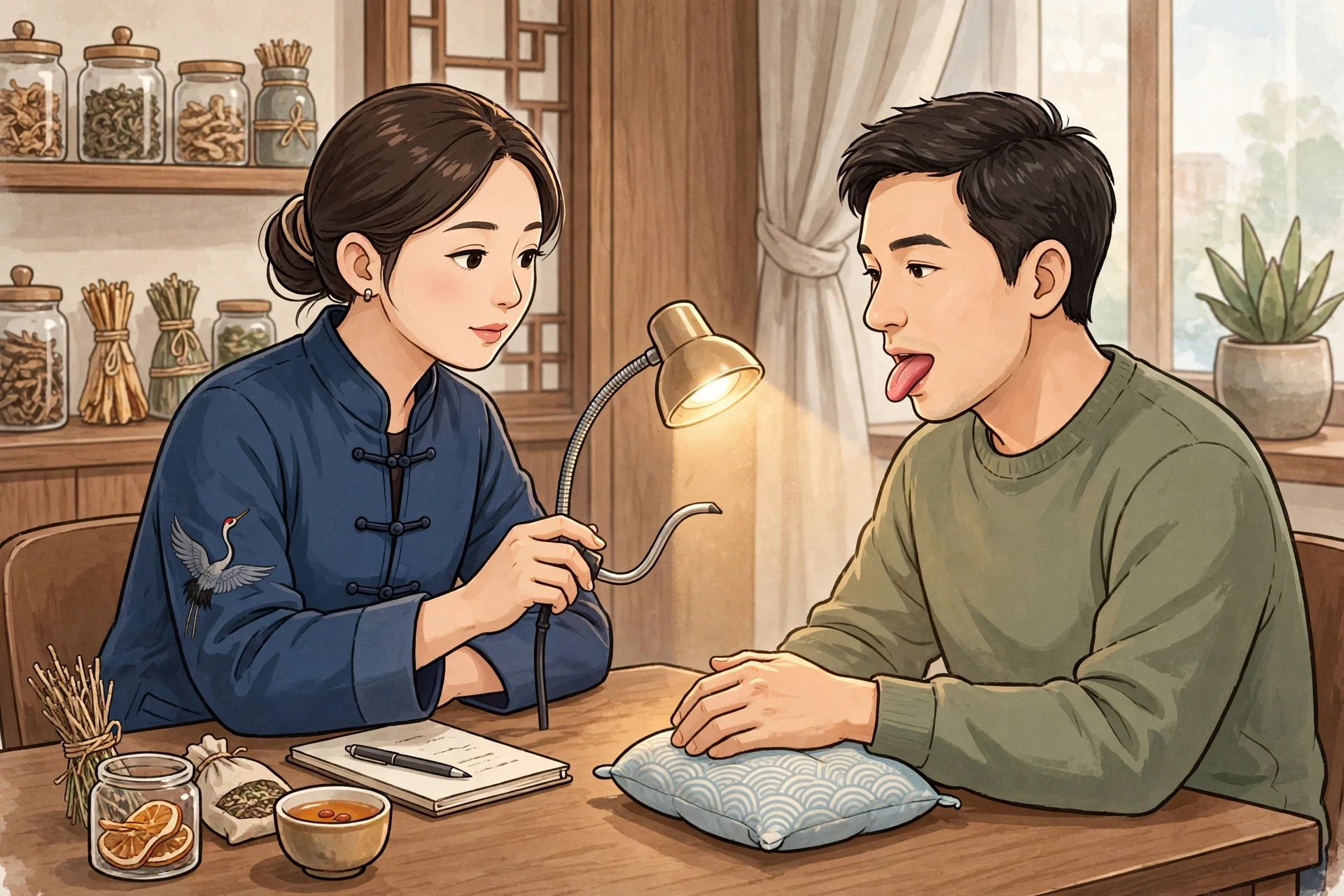
A first consultation follows four steps: (1) a detailed talk about symptoms, sleep, digestion and stress; (2) tongue inspection; (3) pulse reading at both wrists; (4) a written treatment plan. No blood tests or machines are involved.
History, Tongue and Pulse: Reading the Pattern
The practitioner looks for a pattern, not a disease label. Organs are grouped as zang-fu systems, and tongue color, coating, plus pulse depth and rhythm, show where the pattern sits. This method, called pattern differentiation, guides every choice that follows.
From Pattern to Treatment Plan and Prescription
The pattern decides the therapy: acupuncture points, a Chinese herbal formula, or tui na massage, sometimes combined. Moxibustion or cupping may be added for cold or stagnation signs. The same symptoms in two people can produce two different prescriptions, because treatment matches the pattern, not the complaint.
Which Treatment Fits Your Goal: Pain, Stress, Performance and Recovery
The strongest evidence for Traditional Chinese Treatments sits with chronic pain, so start there if that is your main issue. The right choice depends on your goal, not on the longest treatment list.
Chronic Pain, Tension Headaches and Postural Problems
Acupuncture leads here: research reviews support it for chronic pain, including neck, back and headache complaints. Tui na massage, cupping and moxibustion add hands-on relief for stiff muscles and postural strain. Herbal formulas may support the plan when a practitioner matches them to your pattern.
Stress, Burnout and Executive Recovery
For stress, acupuncture sessions help calm the nervous system, and many executives pair them with qigong breathing practice. Sleep quality and energy usually improve over a few weeks. A short herbal formula for restlessness or low mood can be added after proper diagnosis.
Performance, Injury Recovery and Sleep
Athletes often use acupuncture and cupping for muscle recovery and soreness after hard training blocks. Tui na work on tight areas supports mobility during rehab. Good sleep closes the loop, so treat it as part of recovery, not a side issue.
Ask any provider which methods they use for your specific goal, and how they measure progress over time.
Remote Consultations, Prescriptions and Safe Treatment Choices
Can I Receive Remote Chinese Medicine Treatments From Italy?
Yes. Diagnosis, coaching and herbal prescriptions work well remotely; needling, cupping and moxibustion require an in-person visit. A typical remote plan looks like this:
| Treatment | Remote possible? | Notes |
|---|---|---|
| Consultation and diagnosis | Yes | Video talk plus tongue and pulse guidance |
| Chinese herbal formula | Yes | Prescribed and shipped after review |
| Qigong and coaching | Yes | Live guided sessions |
| Acupuncture, cupping, tui na | No | Needs hands-on care |
You can book a remote consultation from anywhere in Italy or Ticino.
Evidence, Safety and How to Choose a Practitioner in Italy
Evidence is strongest for acupuncture as a treatment for chronic pain, including back, neck and knee pain, with effects that last beyond the course itself. Herbs help many people but can interact with medicines, so always list what you take. Choose a practitioner with recognized acupuncture credentials, clear hygiene standards and honest answers about limits.
Chronic pain or burnout won’t wait. Medicina Cinese offers acupuncture, herbs, and remote consultations suited to your goals. Start with Medicina Cinese and book your first visit today.
Frequently Asked Questions
Q1: What are the main traditional Chinese medicine treatments offered by Clinica China in Italy?
Acupuncture, Chinese herbal formulas, moxibustion, cupping, tui na massage, and qigong coaching.
Q2: What are the main traditional Chinese treatments offered by Clinica China in Italy?
The same core set, personalized after pulse and tongue diagnosis.
Q3: How effective are acupuncture and herbal remedies for health issues in Italy?
Evidence is strongest for chronic pain; herbs need a pattern-matched prescription.
Q4: Can I receive remote Chinese medicine treatments from Medicina Cinese in Italy?
Yes, for consultations, herbal prescriptions, and qigong coaching. Needling requires in-person visits.
Conclusion
Traditional Chinese treatments in Italy work best when matched to your goal: acupuncture for chronic pain, herbs and qigong for stress and recovery. Start with a proper pattern diagnosis, check the practitioner’s credentials, and choose in-person or remote care based on your need.