


Good practitioners treat the whole picture. A consultation may begin with an irregular cycle, painful periods, hot flushes or unexplained fatigue, yet the useful clues almost always include hormones, sleep, stress and digestion together. The term “women’s health consultant” covers different roles: some focus on education and care navigation, while qualified Traditional Chinese Medicine practitioners also deliver acupuncture, personalised herbal prescriptions and practical self-care. This guide outlines the nine services most commonly provided and how to choose safe, coordinated care that works well for women across the UK, Ireland and Scotland.
Women’s Health Services at a Glance
| Service | Best for | Typical approach | Life stage or concern | Coordination needed |
|---|---|---|---|---|
| Whole-person health assessment and care planning | Complex or overlapping symptoms | History, TCM assessment and personalized care plan | Any stage of adult women's health | Medical referral when symptoms require diagnosis |
| Menstrual cycle and hormonal health support | PMS, cramps, irregular cycles and cycle tracking | Acupuncture, herbal medicine and lifestyle guidance | Menstruating years and hormonal transitions | Gynecological or endocrine review for persistent abnormalities |
| Fertility and preconception support | Preconception planning and cycle concerns | Cycle review, acupuncture, herbs and lifestyle support | Trying to conceive | Gynecologist, fertility clinic and medication review |
| IVF and assisted reproduction support | People undergoing IVF, IUI or fertility procedures | Timeline-based acupuncture and supportive consultation | Assisted reproduction | Essential coordination with reproductive specialists |
What to know about women’s health consultants
Women’s health consultants support cycle concerns, fertility, pregnancy, perimenopause and the stress that so often accompanies them. In a Traditional Chinese Medicine setting this means pattern-based assessment combined with acupuncture, Chinese herbal prescriptions and practical self-care. The work is designed to sit alongside, not instead of, your GP, gynaecologist or fertility clinic — whether you are based in London, Dublin, Edinburgh or anywhere else in the UK, Ireland or Scotland.
- Whole-person health assessment and care planning
A solid consultation begins with the full picture rather than a single symptom. The practitioner reviews menstrual history, sleep, digestion, stress load, current medications and personal goals, then builds a clear, prioritised plan.
Highlights
- Detailed health history and symptom timeline
- Pattern-based TCM assessment
- Review of existing medical information
- Individualised treatment and self-care roadmap
This step ranks first because every other service rests on accurate assessment.
- Menstrual cycle and hormonal health support
Cycle and hormone concerns remain among the most requested services. Support includes practical cycle tracking, acupuncture for pain and regulation, pattern-specific herbal prescriptions, and clear guidance on when medical investigation is needed.
- Fertility and preconception support
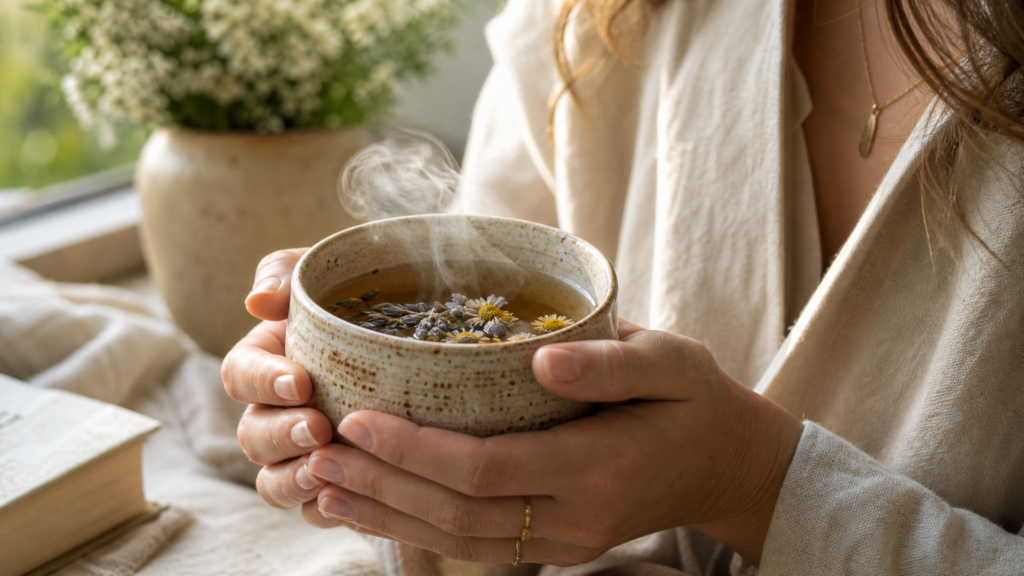
Care focuses on preparing the body for natural conception through cycle timing education, ovulation awareness, acupuncture, cycle-phased herbal formulas and lifestyle foundations. Many women begin by asking what’s actually in fertility tea that helps pregnancy and whether a generic blend is enough. The short answer is that personalised formulas work better than off-the-shelf teas.
For a broader view of how herbs are used safely and effectively, see the practical guide to herbal medicine fertility support . When the full system of acupuncture, herbs and lifestyle is needed, the overview of Chinese medicine for fertility explains what the evidence actually shows and how the work is structured in clinic.
Responsible practitioners set realistic expectations, encourage assessment of both partners, and coordinate with your gynaecologist or clinic. Research remains mixed; Chinese medicine is best viewed as supportive care rather than a guarantee.
- IVF and assisted reproduction support
Some consultants specialise in accompanying IVF, IUI and related protocols. They help manage stress and sleep, time acupuncture around the clinical schedule, and carefully review any herbal use against fertility medications. Coordination with the reproductive team is non-negotiable — especially important for patients navigating HFEA-licensed clinics in the UK or equivalent services in Ireland and Scotland.
- PCOS, endometriosis and pelvic pain support
This service combines symptom relief (pain, irregular bleeding, inflammation) with lifestyle and herbal support, always within professional scope and with clear pathways for medical referral when needed.
- Pregnancy and postpartum support
Gentle acupuncture and lifestyle guidance can help with nausea, fatigue, recovery and mood. All care stays strictly within the practitioner’s legal scope and is communicated with the obstetric team.
- Perimenopause and menopause support
Hot flushes, night sweats, sleep disruption, mood changes and shifting energy are addressed through pattern-based acupuncture, appropriate herbal formulas and practical recovery strategies.
- Stress, sleep and nervous-system support
Acupuncture, simple breath practices and realistic recovery planning help regulate the nervous system that so often drives hormonal and cycle symptoms — particularly useful for women juggling work, family and the everyday pressure of modern life in these regions.
- Nutrition, lifestyle and performance guidance
Food, movement, recovery and energy strategies are tailored rather than prescribed as rigid rules, supporting sustainable health behaviours across all life stages.
Online consultations make ongoing support accessible whether you are in a major city or a more remote part of the UK, Ireland or Scotland.
How to choose the right women’s health consultant
- Credentials – Confirm legal authorisation to practise plus specific training in women’s health, acupuncture or Chinese herbal medicine.
- Fit – Match the practitioner to your primary need (cycle, fertility, menopause, pelvic pain, stress or performance).
- Process – Ask how the first visit works and how progress will be measured (pain scores, cycle regularity, sleep, energy).
- Safety – Discuss every medication, supplement and pregnancy possibility before any herbal prescription. Natural is not automatically safe.
- Collaboration – Choose someone willing to communicate with your GP, gynaecologist or fertility clinic.
- Realism – Walk away from guaranteed pregnancy or “hormone reset” claims.

These wellbeing sessions are designed to work alongside conventional care. Seek urgent medical attention for severe pain, heavy bleeding or any pregnancy complication.
Ready to explore personalised support for your cycle, hormones or fertility journey from the comfort of home?
Start here: naturalonlinemedicine.com
(For dedicated support across the UK, Ireland and Scotland visit naturalonlinemedicine.com/uk-ireland-scotland
Frequently Asked Questions
Q1: What services do women’s health consultants typically provide?
Cycle support, hormonal care, fertility guidance, nutrition and stress management, often using acupuncture and herbal medicine.
Q2: How can a consultant help with hormonal balance?
By identifying the underlying pattern, suggesting lifestyle adjustments, appropriate herbs and acupuncture, and collaborating with your doctor.
Q3: What does fertility support usually include?
Cycle tracking, lifestyle optimisation, acupuncture and, when appropriate, phase-specific herbal formulas — always as a complement to conventional care.
Q4: Are these services a replacement for medical care?
No. They are designed to work alongside your GP, gynaecologist, fertility clinic or primary physician.