


Quick Summary: Women’s health consultants offer nine core services, led by whole-person assessments, menstrual and hormonal support, and fertility or IVF aid, typically using acupuncture, herbs, and lifestyle guidance that complement medical care. Crucially, they act as partners, not replacements, for doctors, so patients should verify credentials and realism while choosing someone who coordinates with their gynecologist or clinic. A responsible practitioner avoids guaranteeing pregnancy or ‘hormone resets’ and always reviews medications for safety, especially with herbs during fertility treatment.
Good practitioners act as true partners in women’s health. A consultation may start with an irregular cycle, painful period, hot flush or fatigue, but the useful clues often span hormones, sleep, stress and digestion. The phrase “women’s health consultants” covers different roles: some offer education and care navigation, while qualified Chinese Medicine practitioners also deliver acupuncture, herbs and lifestyle support. This guide explains nine women’s health services commonly provided, how health consultants services differ, and how to choose safe, appropriate women’s health care.
Women’s Health Services at a Glance
| Service | Best for | Typical approach | Life stage or concern | Coordination needed |
|---|---|---|---|---|
| Whole-person health assessment and care planning | Complex or overlapping symptoms | History, TCM assessment and personalized care plan | Any stage of adult women’s health | Medical referral when symptoms require diagnosis |
| Menstrual cycle and hormonal health support | PMS, cramps, irregular cycles and cycle tracking | Acupuncture, herbal medicine and lifestyle guidance | Menstruating years and hormonal transitions | Gynecological or endocrine review for persistent abnormalities |
| Fertility and preconception support | Preconception planning and cycle concerns | Cycle review, acupuncture, herbs and lifestyle support | Trying to conceive | Gynecologist, fertility clinic and medication review |
| IVF and assisted reproduction support | People undergoing IVF, IUI or fertility procedures | Timeline-based acupuncture and supportive consultation | Assisted reproduction | Essential coordination with reproductive specialists |
What to know about women’s health consultants
Women’s health consultants support you through cycle concerns, fertility, pregnancy, perimenopause and stress. Some work as coaches or navigators; others offer clinical or complementary care. What they share is a personal, whole-person approach.
In a Traditional Chinese Medicine setting, this means pattern-based assessment combined with acupuncture, Chinese herbal prescriptions and practical self-care. It works alongside, not instead of, your doctor.
That’s why good consultants act as true partners in women’s health, and why so many now seek them out.
1. Whole-person health assessment and care planning
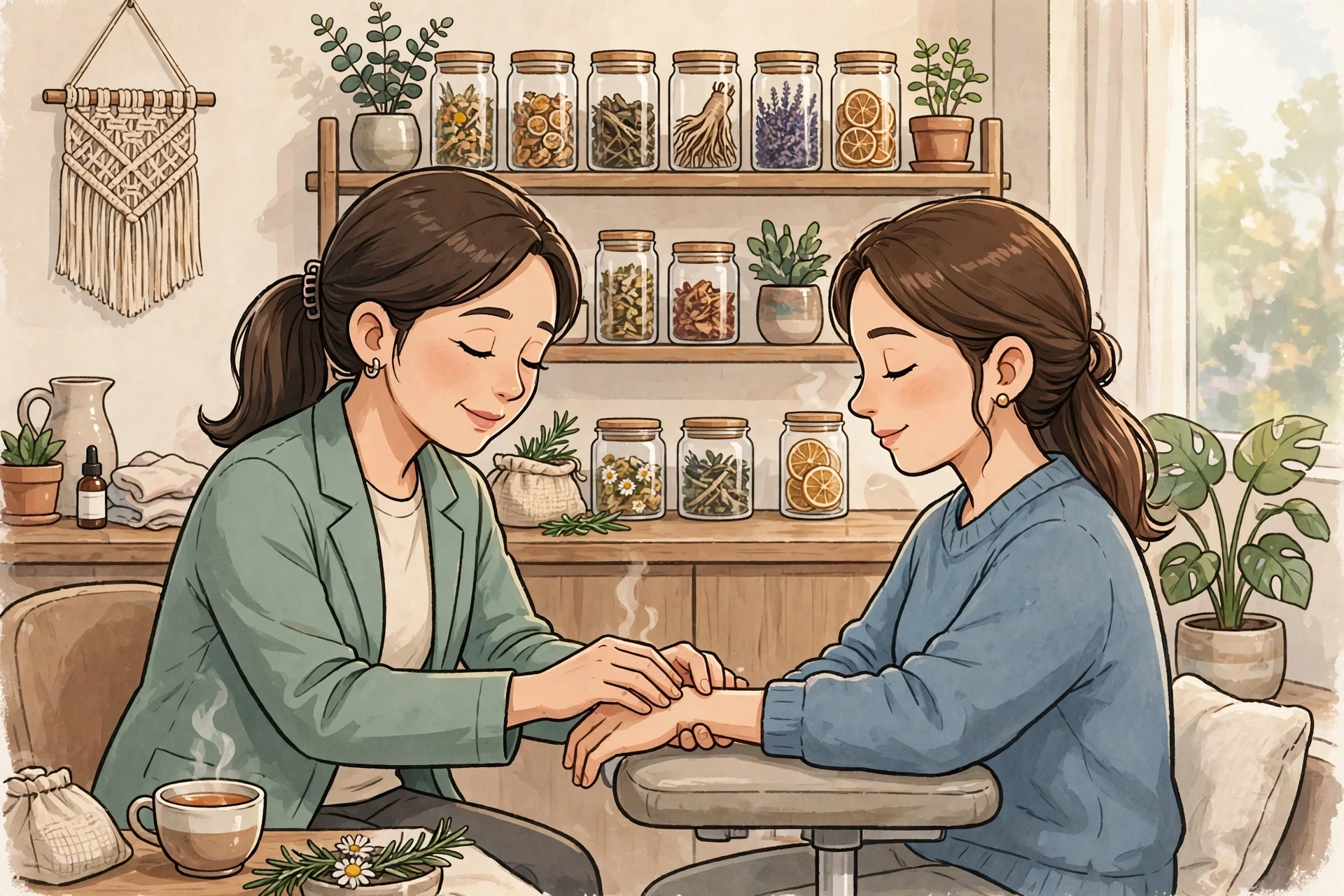
A good women’s health consultation starts with the whole picture, not one symptom. A practitioner reviews menstrual history, sleep, digestion, stress, medications and goals, then builds a plan with clear priorities. Think of it as true partners in women’s health.
Highlights
- Detailed health history and symptom timeline
- Pattern-based TCM assessment where appropriate
- Review of existing medical information
- Individualized treatment and self-care planning
Specs
- Best for: Complex or overlapping symptoms
- Typical approach: History, TCM assessment and personalized care plan
Pros
- Creates a coherent view of interconnected symptoms
- Makes later treatment more targeted
Cons
- Does not replace diagnostic medical care
- Good planning may need follow-up visits
It ranks first because it is the foundation every other service builds on.
Last updated: September 17, 2026
Also Read: Natural vs Naturopathic vs Holistic vs Functional Medicine
2. Menstrual cycle and hormonal health support
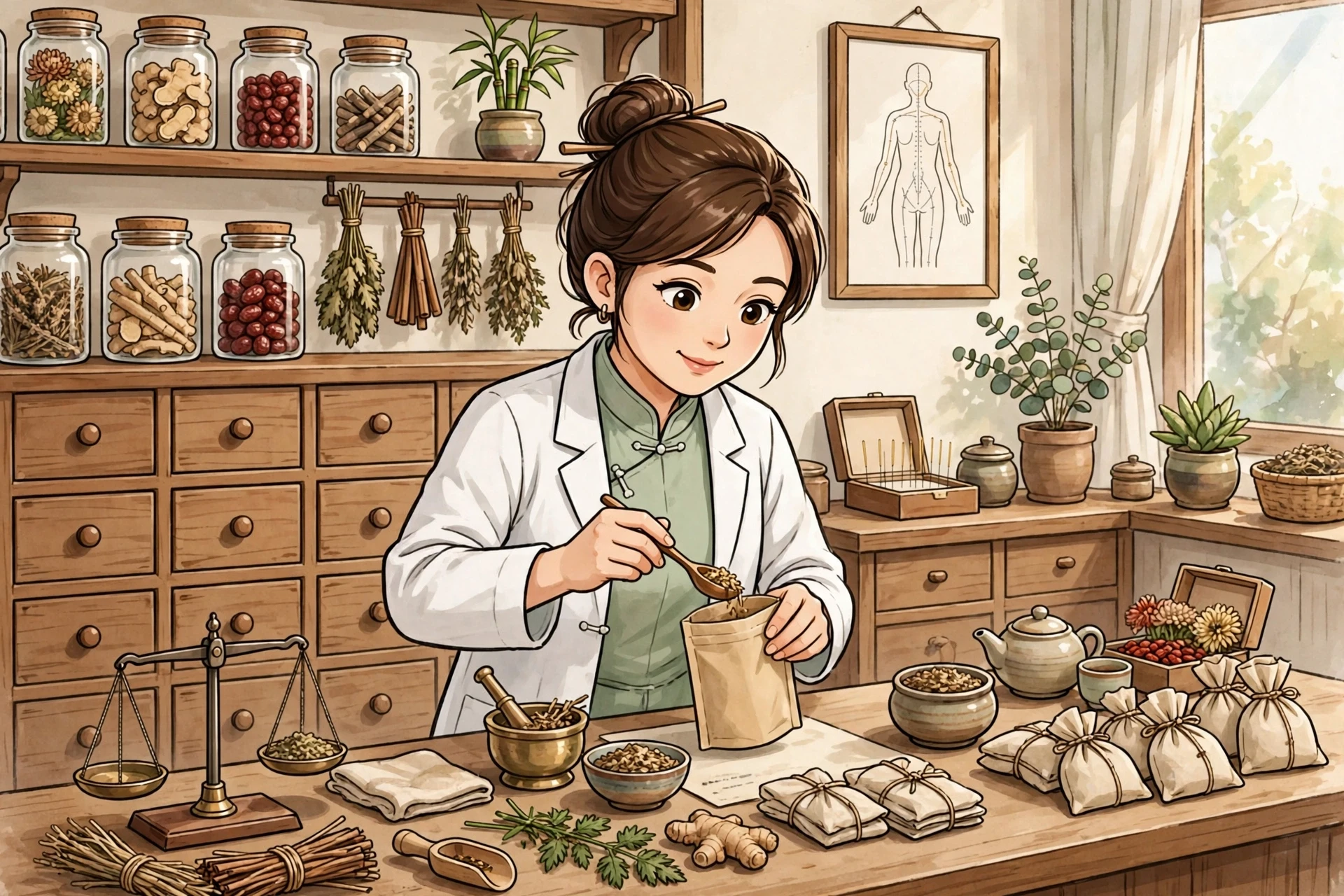
Cycle and hormone concerns are among the most requested women’s health services. Consultants help you track cycle length, bleeding, pain, mood, sleep and energy, then build support around the pattern they see. Acupuncture and individualized herbal prescriptions aim at symptom relief and better body awareness, not a one-size-fits-all hormonal reset.
Highlights
- Cycle and symptom tracking you can actually use
- Acupuncture for cramps, stress and regulation
- Pattern-specific herbal prescriptions
- Lifestyle support for sleep, stress and nourishment
- Clear guidance on when to see a gynecologist or endocrinologist
Specs
- Best for: PMS, cramps, irregular cycles and cycle tracking
- Typical approach: Acupuncture, herbal medicine and lifestyle guidance
- Life stage: Menstruating years and hormonal transitions
Pros
- Addresses several recurring symptoms together
- Builds useful cycle literacy
Cons
- Hormonal symptoms can have many causes
- Herbs need professional review for interactions and pregnancy safety
It ranks here because cycle support is broad, common and often the first reason people seek care.
Last updated: September 17, 2026
Also Read: 7 Acupuncture Points Women Explore for Emotional Balance
3. Fertility and preconception support
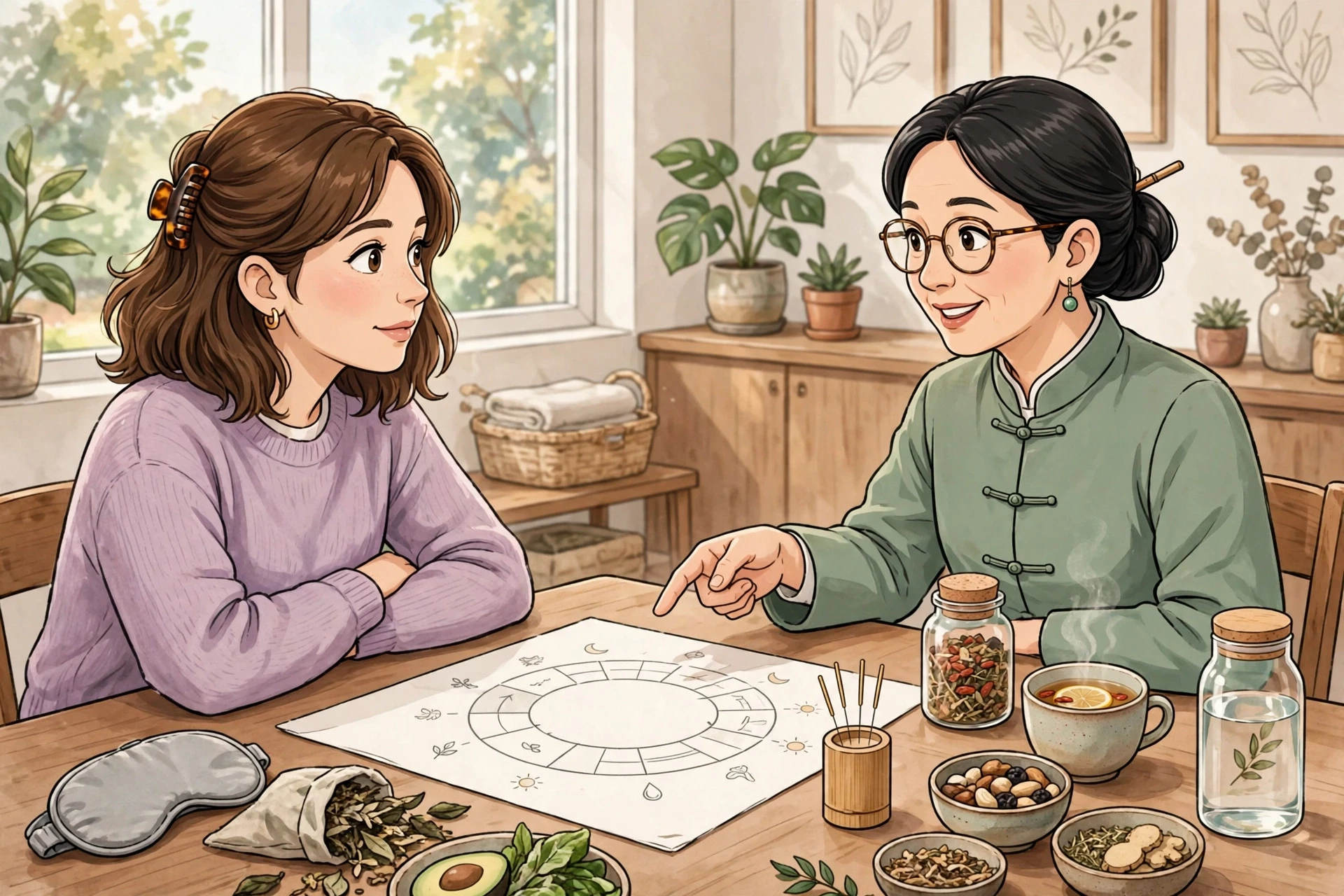
Fertility-focused consultants help you prepare for natural conception. They review cycle timing, ovulation patterns, nutrition, sleep, stress and any existing test results. Care may include acupuncture, cycle-based herbal formulas and lifestyle guidance to support overall reproductive health.
Highlights
- Preconception health review
- Cycle and ovulation education
- Acupuncture and individualized herbal care
- Support for stress, sleep and recovery
- Coordination with fertility professionals
Pros
- Offers structured support before conception
- Can complement rather than compete with reproductive medicine
Cons
- Cannot guarantee conception or pregnancy
- Herbal formulas may need to change immediately after conception
A responsible practitioner sets realistic expectations, encourages fertility assessment for both partners and works with your gynecologist when needed. Evidence summaries from NIH note that acupuncture research on fertility outcomes remains mixed, so treat it as support, not a cure.
Last updated: September 17, 2026
Also Read: Chinese Medicine Remote Consultation: 5 Steps to Book
4. IVF and assisted reproduction support
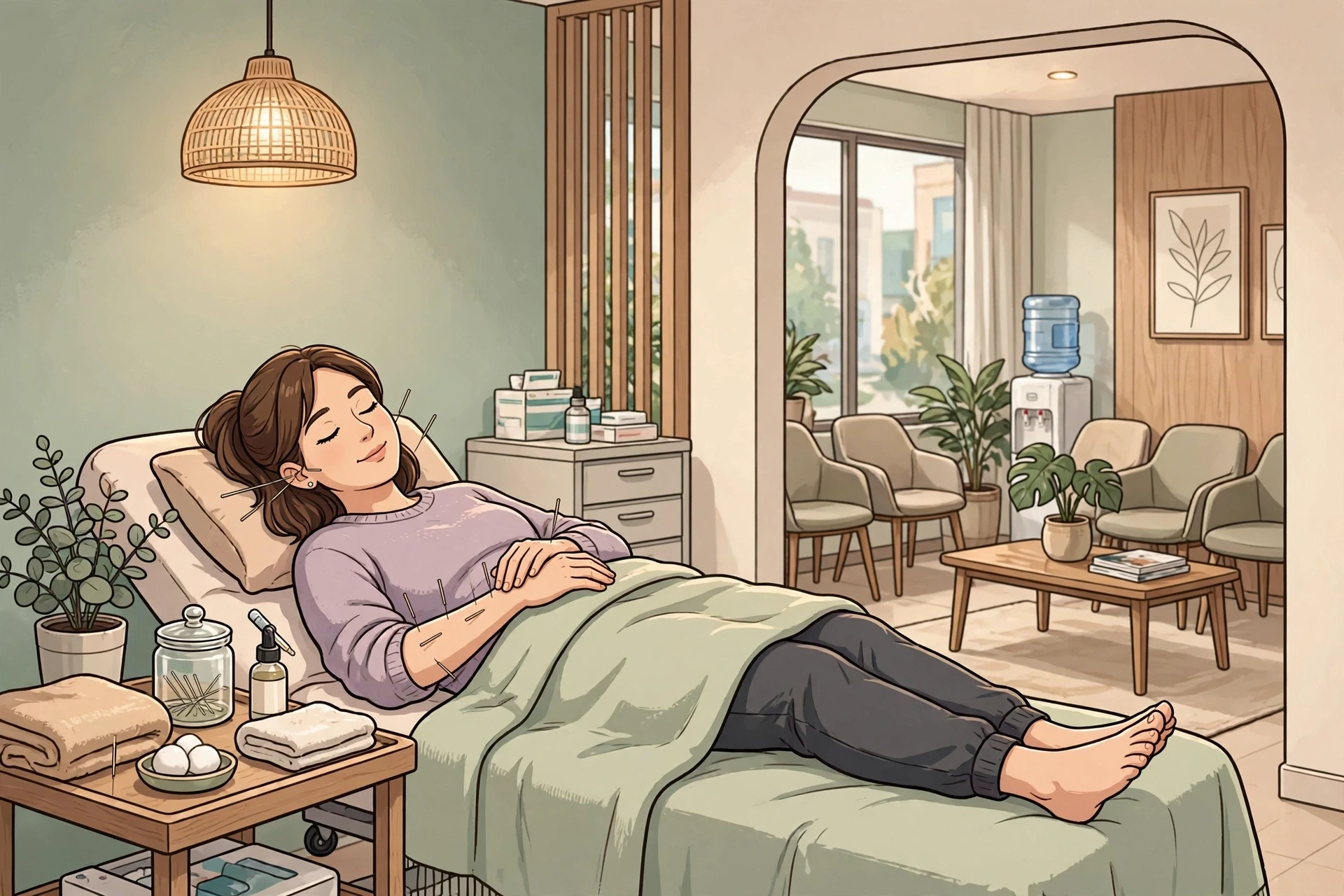
Some women’s health consultants work alongside IVF, IUI and related fertility treatment. They help you understand the timeline, manage stress and sleep, and time acupuncture around your clinical protocol. Herbal medicine needs extra care here, since fertility drugs and early pregnancy change what is safe. Research on IVF acupuncture support is promising but evidence remains mixed, and coordination with your fertility clinic matters most.
Highlights
- Preparation before an assisted reproduction cycle
- Stress, sleep and treatment-related wellbeing support
- Acupuncture timed around the clinical protocol
- Careful review of medications and herbs
- Clear communication with the fertility team
Pros
- Emotional and practical continuity during treatment
- Helps you organize questions and self-care
Cons
- Evidence for specific IVF outcomes is mixed
- Improper herb use can create avoidable risks
Assisted reproduction demands precise timing, safety and coordinated care, which is why this service ranks here.
Last updated: September 17, 2026
Additional Services You May Encounter
Beyond the nine core services, some consultants extend their work into education, advocacy and coordinated support for families or organizations.
- PCOS, endometriosis and pelvic pain support – May combine symptom support, acupuncture, herbal care, lifestyle guidance and referral to gynecological services.
- Pregnancy and postpartum support – Can include support for nausea, fatigue, recovery, mood and feeding-related concerns within professional scope.
- Perimenopause and menopause support – Often addresses hot flushes, night sweats, sleep, mood, energy and changing cycles.
- Stress, sleep and nervous-system support – May involve acupuncture, breathing practices, relaxation strategies and realistic recovery planning.
- Nutrition, lifestyle and performance guidance – Supports food habits, movement, recovery, energy and sustainable health behaviors without one-size-fits-all rules.
How to choose the right women’s health consultant
Pick with these checks:
- Credentials: confirm legal authorization to practice plus specific training in women’s health, acupuncture or Chinese herbal medicine.
- Fit: match the practitioner to your main need – cycle health, fertility, menopause, pelvic pain, stress, sleep or athletic recovery.
- Process: ask how the first visit works and how progress is measured (pain, sleep, cycle regularity, energy), not vague “balance” promises.
- Safety: discuss every medication, supplement and pregnancy possibility first. Natural is not automatically safe.
- Collaboration: choose someone who works with your gynecologist or fertility clinic.
- Realism: walk away from guaranteed pregnancy or “hormone reset” claims.
Medicina Cinese fits these criteria well: personalized TCM plans, remote consultations, herbal prescriptions and care that complements your existing doctors. Seek urgent medical care for severe pain, heavy bleeding or pregnancy complications.
Ready to support your cycle, hormones, and fertility naturally? Medicina Cinese offers personalized acupuncture, herbal medicine, and remote care. Book your consultation today.
Frequently Asked Questions
Q1: What services do women’s health consultants typically provide?
Cycle support, hormonal care, fertility guidance, nutrition, and stress management.
Q2: What services does a women’s health consultant provide?
Personalized advice on menstrual, hormonal, and reproductive health, often including natural therapies.
Q3: How can a health consultant help with hormonal balance?
They identify patterns, suggest lifestyle changes, herbs, and acupuncture, and collaborate with your doctor.
Q4: What does a women’s health consultant do for fertility support?
They track cycles, improve lifestyle factors, and prepare your body naturally, sometimes alongside medical treatment.