


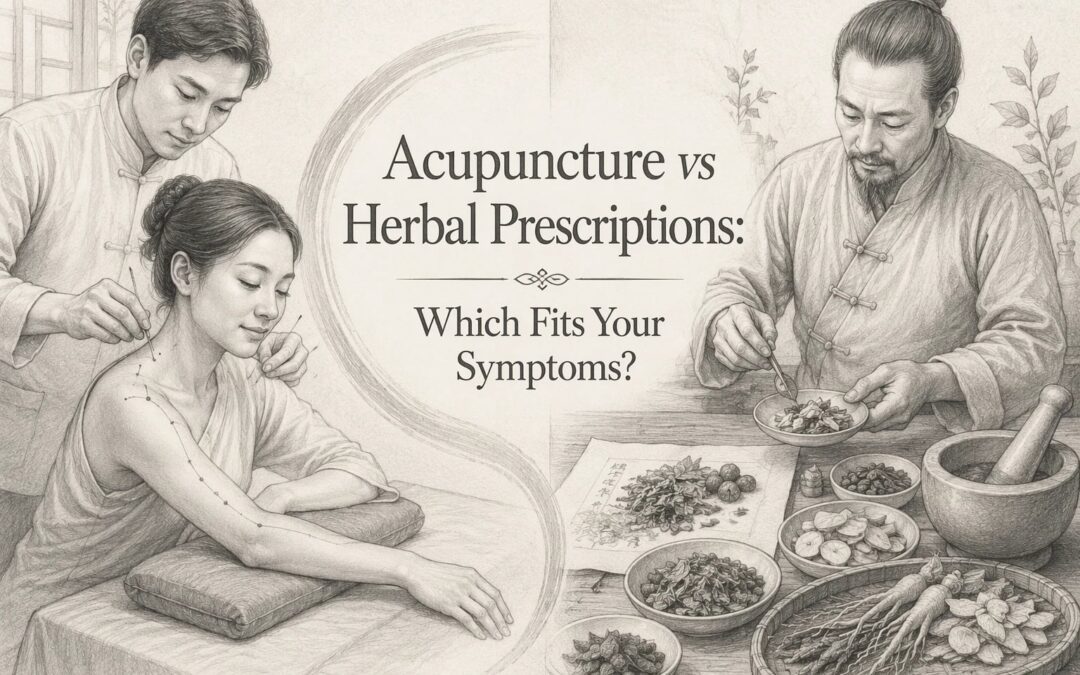
For endometriosis pain, Acupuncture Treatments are often the safer first step if you want non-drug relief with better pain evidence. Herbal Prescriptions fit better when symptoms are cyclical, wider, or hormone-linked. Many people compare Acupuncture Treatments with Herbal Prescriptions while weighing fertility, side effects, and timing. This guide uses Traditional Chinese Medicine logic and clinical evidence to show when Acupuncture Treatments, herbs, or both make the most sense.
Acupuncture vs Herbal Prescriptions: At a Glance
| Acupuncture Treatments | Herbal Prescriptions | |
|---|---|---|
| Best for | Pain-dominant symptoms | Broader pattern-based symptoms |
| Main action | Stimulates points to modulate pain and regulation | Internal regulation through tailored formulas |
| Evidence focus | Stronger for pain and quality of life | Promising for endometriosis-related symptom support |
| Safety considerations | Generally low risk when done by trained clinicians | Requires interaction and quality checks |
| Practical use | In-clinic sessions over time | Prepared formulas taken regularly |
How Acupuncture Treatments and Herbal Prescriptions Compare
Acupuncture Treatments
Acupuncture uses targeted points to ease pain, calm stress, and help regulation. It best fits people whose endometriosis symptoms are pain-heavy, and NCCIH notes acupuncture is used mainly for pain and is generally low risk with trained care.
Herbal Prescriptions
Herbal prescriptions use tailored formulas to work on internal patterns, cycle shifts, and wider symptom clusters beyond pain alone. They suit people who need daily support, but NCCIH also warns herbal products need interaction and quality checks.
How the Two Approaches Differ for Endometriosis-Related Pain
When pain is the main problem, acupuncture usually fits better first. It acts faster for cramping, pelvic ache, and pain flares, and a 2023 meta-analysis found benefit for overall pelvic and menstrual pain, though evidence quality was mixed systematic review.
When symptoms point toward a formula-based approach, herbal prescriptions may fit better. Think cyclical pain with bloating, clotty periods, bowel upset, cold feeling, or pain that returns between sessions. A 2025 meta-analysis found Chinese herbal medicine helped dysmenorrhea and dyspareunia, while results for non-cyclical pelvic pain stayed less clear 2025 meta-analysis.
Also Read: https://medicinacinese.ch/en/blog/tag/10-ways-to-feel-lighter-every-day-en
Which Option Fits Which Symptom Pattern Best?
- Pain, cramping, and flare-up control: Acupuncture is often the better first pick for fast symptom relief, especially pelvic pain and period cramps. Reviews report meaningful pain improvement with acupuncture, and NICE treats pain as a core symptom needing active management acupuncture review.
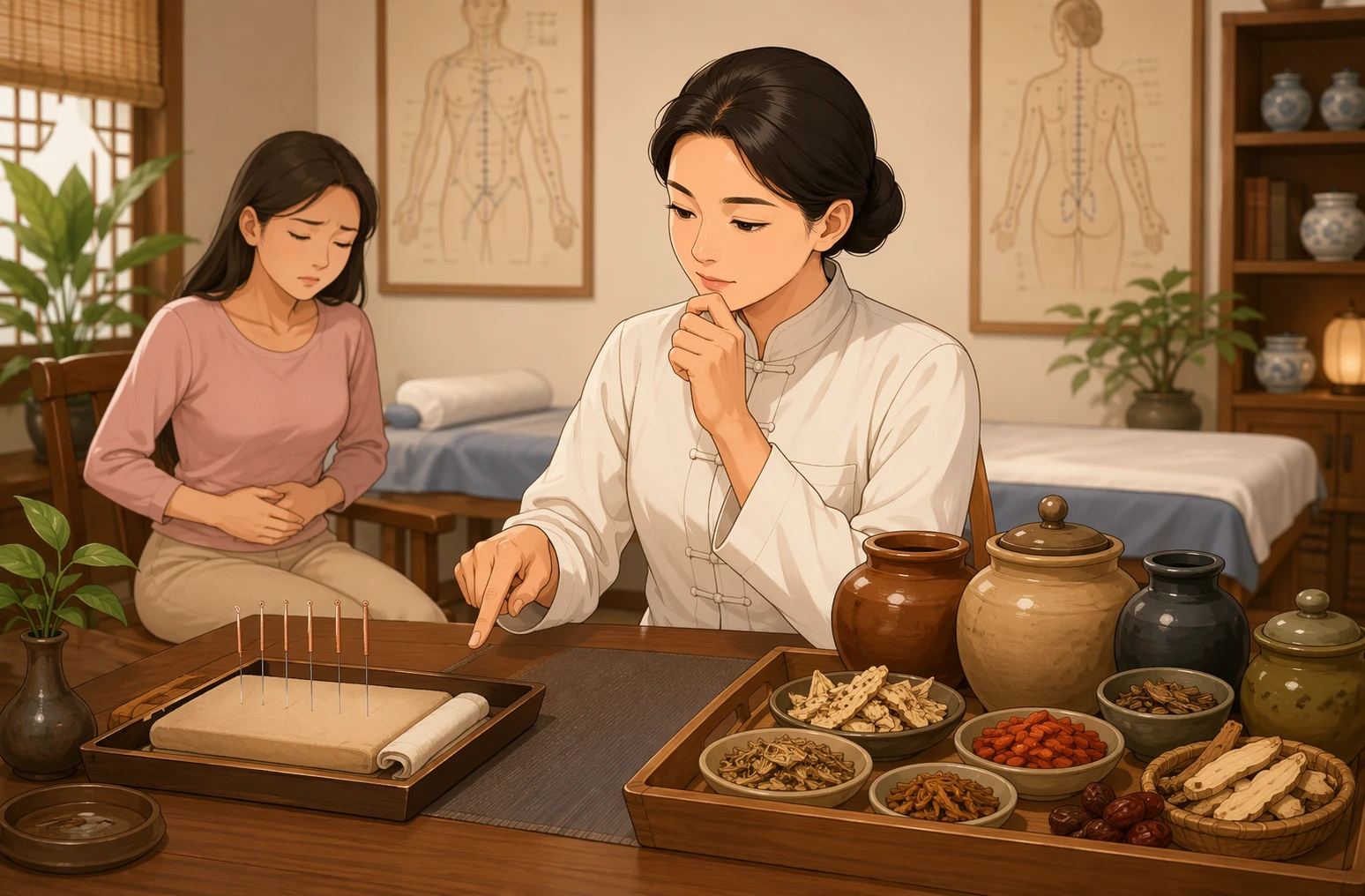
Hormonal, digestive, and fatigue patterns: Herbal prescriptions usually fit better when your picture is broader - bloating, bowel changes, low energy, cycle shifts, and post-period drain. Herbs can target the full pattern, not just pain.
Stress, burnout, and recovery capacity: Use acupuncture when stress spikes pain, sleep is poor, or your body feels stuck in fight-or-flight. Use both together when pain and whole-body symptoms overlap, which newer reviews suggest may outperform herbs alone.
Also Read: https://medicinacinese.ch/blog/tag/20-symptoms-of-endometriosis
Safety, Quality, and Real-World Use in Italy
Acupuncture is often the simpler safety choice in Italy because it is a medical act reserved to qualified doctors, with national training standards and clearer practice rules in Italy’s acupuncture framework.
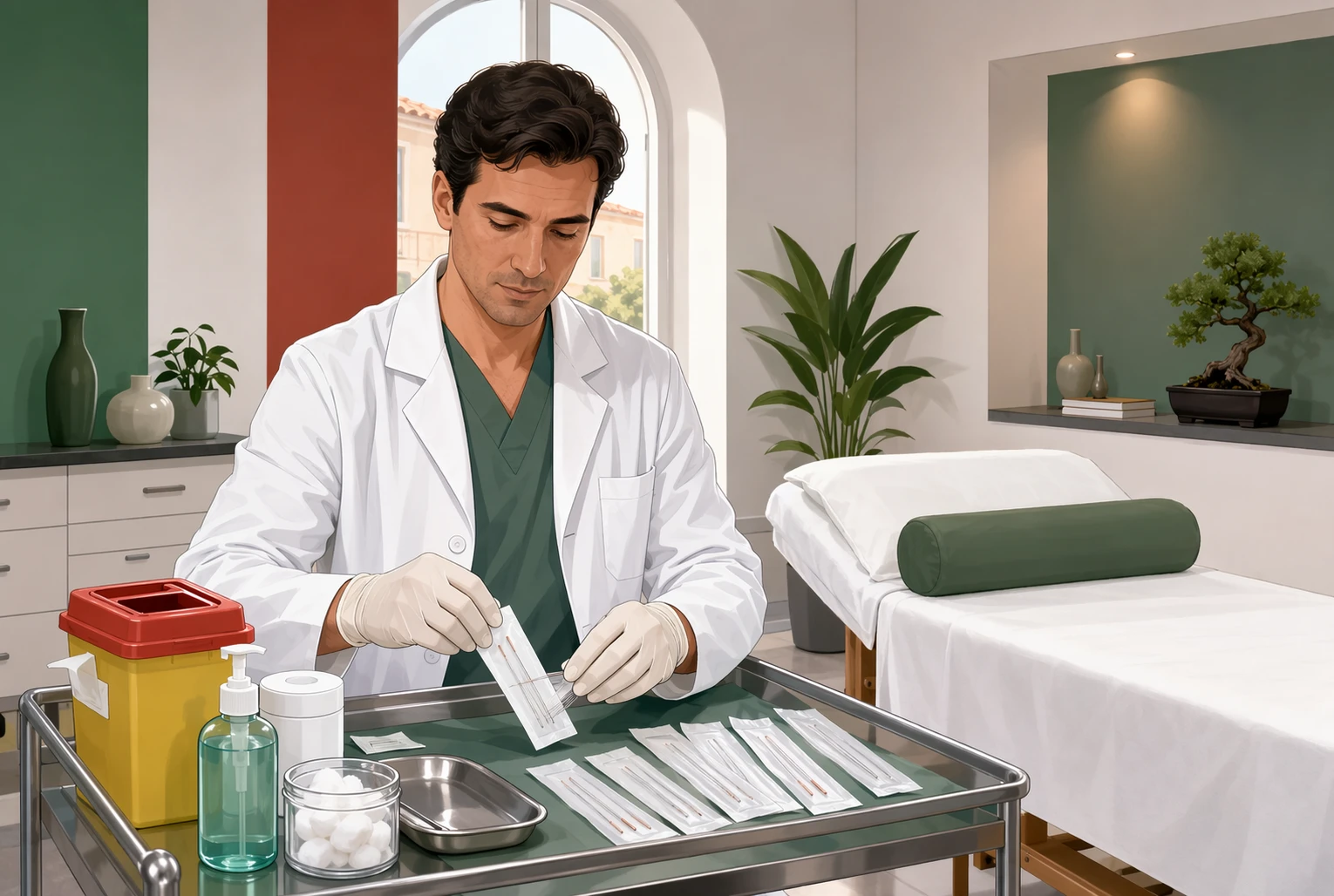
Herbal prescriptions are more complex because quality, sourcing, dose, and drug-herb interactions matter. Italy’s ISS phytovigilance system had logged over 3,600 reports by 31 December 2024, mostly linked to supplements and natural products according to ISS.
Using both can make sense when you need faster pain relief plus support for cycle symptoms, sleep, digestion, or stress, but only with one clinician coordinating the full plan.
Also Read: https://medicinacinese.ch/blog/tag/2am-tooth-pain
Which Should You Choose?
Choose acupuncture first if...
You want faster help for pain flares, pelvic tension, stress, poor sleep, or symptom spikes around your period. Evidence reviews suggest acupuncture can help symptomatic endometriosis pain, while risks stay low with proper practice acupuncture review.Choose herbal prescriptions first if...
Your symptoms feel more cyclical and hormonal - bloating, clotting, PMS-like mood shifts, fatigue, or longer symptom patterns between periods. Herbs may help some pain patterns, but product quality and safety matter NCCIH guidance.Choose both if...
You have mixed symptoms - ongoing pain plus cycle issues, stress, digestion changes, or sleep problems - and you want a broader plan with regular reassessment.
Need help choosing acupuncture, herbs, or both? Book personalized support with Medicina Cinese for symptom-based guidance, remote herbal care, and holistic treatment planning.
Frequently Asked Questions
Q1: How do acupuncture and Chinese herbal medicine compare in treating chronic pain conditions?
Acupuncture often helps faster with cramps, pelvic tension, and stress-linked pain. Herbal medicine suits ongoing inflammation, fatigue, and cycle-related flare-ups. Many people with endometriosis do best using both, based on symptom pattern and timing.
Q2: Which treatment-acupuncture or herbal prescriptions-best addresses hormonal imbalances in women?
Herbal prescriptions usually fit hormone-driven symptoms better, like irregular cycles, PMS, bloating, acne, or sleep changes. Acupuncture can still help by easing stress, pain, and nervous system overload, which often makes hormonal symptoms worse.
Q3: What are the benefits and risks of combining acupuncture with herbal prescriptions for endometriosis?
The main benefit is broader symptom relief: pain, spotting, bowel changes, fatigue, and mood swings. Risks include poor herb quality, wrong matching, or delayed medical care. Work with a qualified TCM practitioner who reviews medications and cycle history.
Conclusion
Choose acupuncture for pain flares, herbs for ongoing cycle or hormone patterns, and both when symptoms overlap. Guidelines support informed, multidisciplinary care, while newer reviews suggest combined therapy may improve pain more than herbs alone 2025 guideline and 2025 meta-analysis.
Trackbacks/Pingbacks