



Quick Summary: Acupuncture combined with personalised Chinese herbal prescriptions ranks as the strongest non-drug option, especially for musculoskeletal, osteoarthritic, and low back pain, while evidence is weaker for neuropathic pain. Chinese herbs alone offer moderate evidence for inflammatory pain, while moxibustion and tuina with acupressure have useful but less certain benefits; heat, cupping, gua sha, tai chi, and qigong provide additional support depending on the pain pattern. Medicina Cinese highlights adjusted prescriptions and medication safety checks, but any reduction in NSAIDs or opioids should be planned with the prescribing doctor. These alternatives do not replace diagnosis, and evidence is strongest for musculoskeletal pain rather than neuropathic or cancer pain.
Ask patients in Milan or Lugano the milligram dose of the anti-inflammatory they take for their lower back, and most answer without hesitation. Ask what their pain would look like without it, and silence follows. Chronic pain management here still leans on NSAIDs, sometimes opioids, and both carry gastric, renal and dependency costs. Below are seven analgesic alternatives ranked by clinical evidence and how well a TCM practice can tailor them, from Chinese herbal prescriptions to moxibustion, tuina, acupressure, heat therapy, cupping and mind-body work.
At a Glance: Seven Analgesic Alternatives Compared
| Modality | Best for | Evidence strength | Needle-free |
|---|---|---|---|
| Acupuncture combined with personalised Chinese herbal prescriptions | Musculoskeletal, osteoarthritic and low back pain needing a combined, adjusted plan | Moderate to good for musculoskeletal pain; weaker for neuropathic pain | No |
| Chinese herbal medicine as a standalone analgesic plan | Osteoarthritis, rheumatic and disc-related pain where inflammation dominates | Moderate, with growing trial and review volume | Yes |
| Moxibustion | Cold, stiff pain that flares in winter or damp weather, especially lower back and joints | Promising direction, low to very low certainty in reviews | Yes, if applied without needling |
| Tuina therapeutic massage with acupressure | Postural, tension and desk-related neck and back pain, and as a self-management tool | Moderate for low back pain, variable across conditions | Yes |
What to Know About Analgesic Alternatives for Chronic Pain
An analgesic alternative reduces pain and improves function without relying on NSAIDs, paracetamol or opioids. The ones with real clinical support fall into three families: traditional Chinese medicine modalities such as acupuncture pain relief, herbs, heat and manual work, rehabilitative movement, and behavioural pain management.
Why does this matter now? Long-term analgesic use brings stomach, kidney and dependency risks, so many people want natural pain relief that still works.
Most evidence covers musculoskeletal and osteoarthritic pain, far less neuropathic or cancer pain. Matching the method to your type of pain matters more than the practitioner’s brand, and it is the key to lasting chronic pain relief.
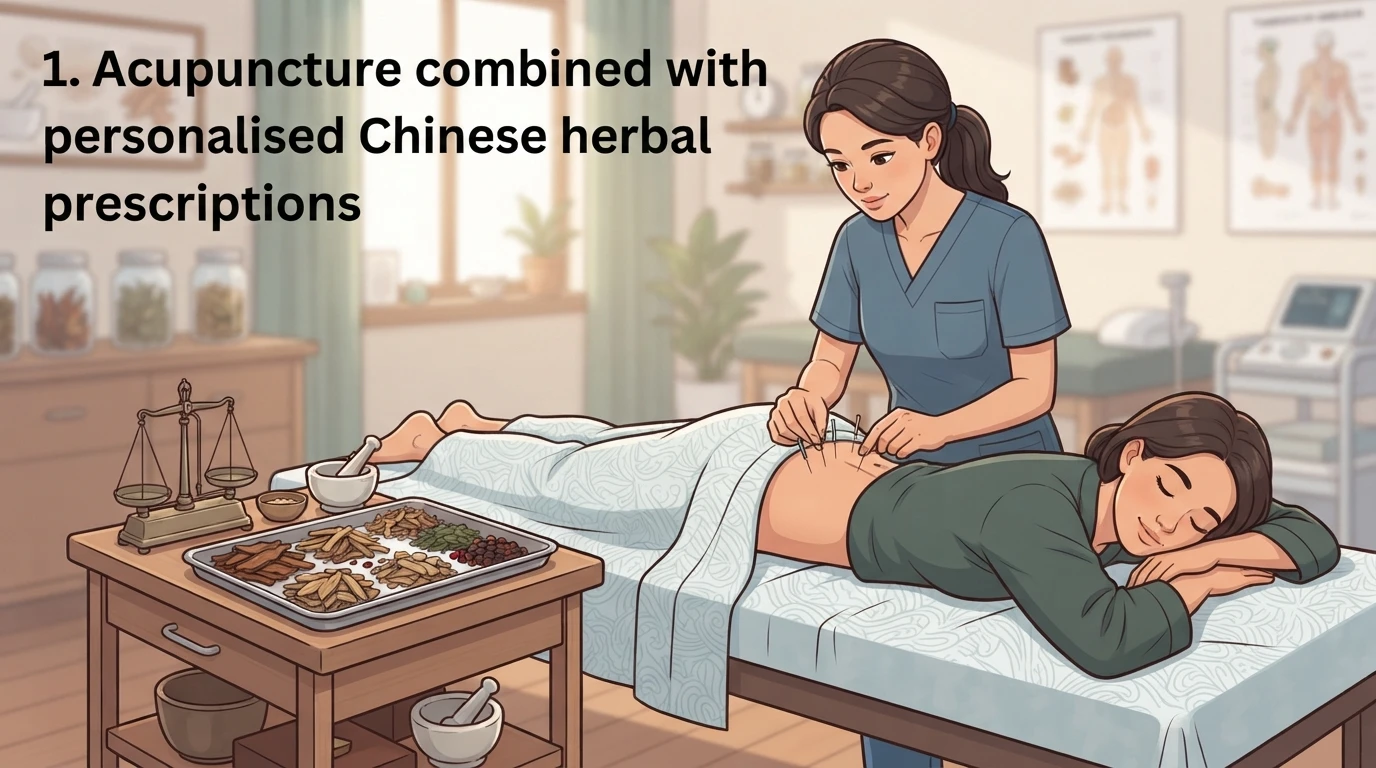
1. Acupuncture combined with personalised Chinese herbal prescriptions
This is the most complete non-drug route: needling to move the pain, a formula to keep it down. A large individual patient data meta-analysis found acupuncture effects on chronic pain persist over time, and the two tools act on different levels, so relief usually outlasts a single modality. Clinics like Medicina Cinese adjust the prescription at follow-up as your pain pattern changes.
Highlights
- Needle and herbal components address different mechanisms, so relief usually outlasts a single modality
- Prescriptions are adjusted at follow-up visits instead of being left unchanged for months
- Meta-analyses of Chinese medicine report better analgesic outcomes than conventional care in several pain conditions
Specs
- Best for: Musculoskeletal, osteoarthritic and low back pain needing a combined, adjusted plan
- Evidence strength: Moderate to good for musculoskeletal pain; weaker for neuropathic pain
- Needle-free: No
Pros
- Treats the pain pattern and the flare-up tendency together
- Allows dose-by-dose reduction conversations with your prescribing doctor
- No opioid dependence, no NSAID-related GI or renal load
Cons
- Requires repeated sessions and adherence to follow-up
- Prescriptions need professional review for interactions with anticoagulants and other drugs
- Not a substitute for diagnosis of inflammatory or neurological disease
It ranks first because it pairs the two best-evidenced TCM analgesic tools, and it is the only entry here where one practitioner can diagnose, needle, prescribe and titrate.
Last updated: November 18, 2026
2. Chinese herbal medicine as a standalone analgesic plan
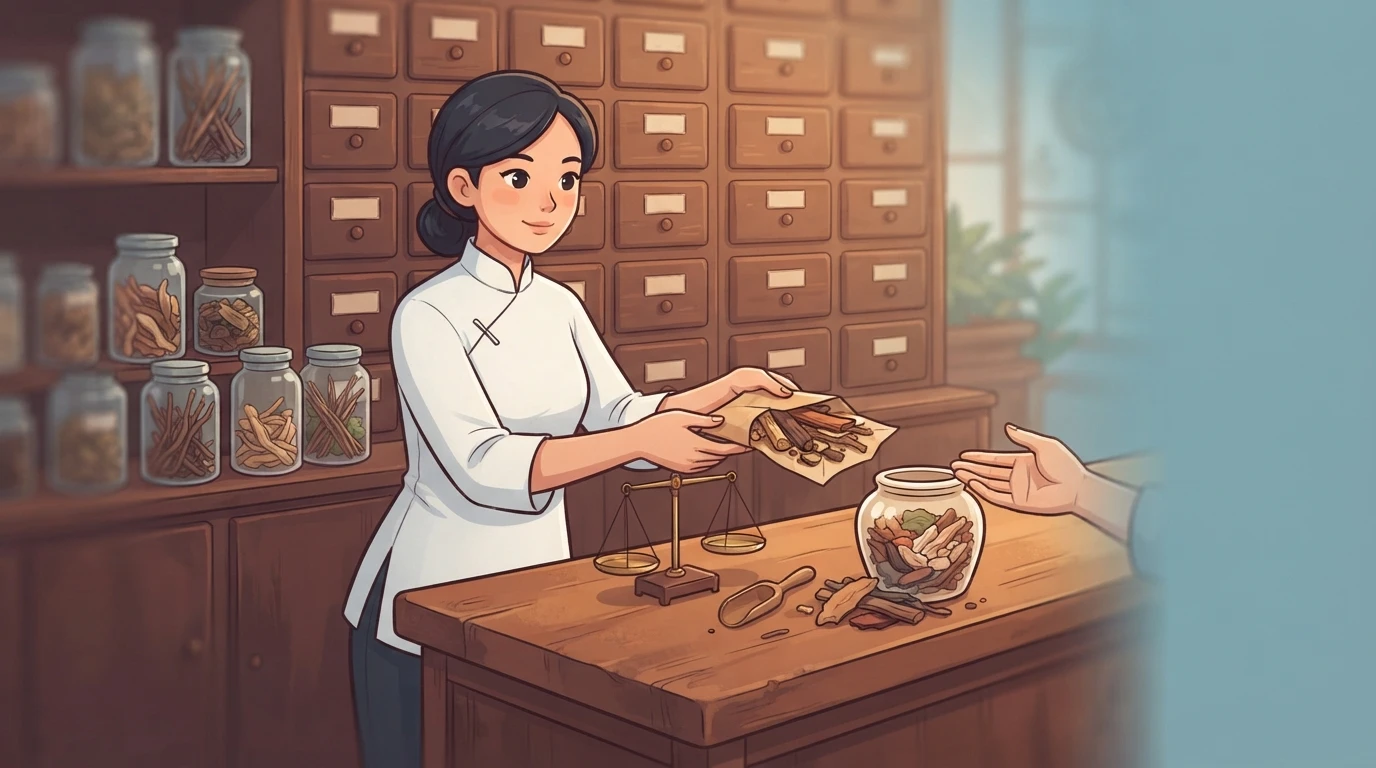
When pain is inflammatory and systemic, a tailored decoction can carry more weight than needling alone. Recent reviews of Chinese herbal compounds for lumbar disc herniation report meaningful pain reduction, and formulas matched to your pattern – like the common TCM formula types – are revised as symptoms change. Always check prescriptions against medication you already take.
Highlights
- Systematic reviews report pain reduction for lumbar disc herniation and low back pain
- Works systemically, so it suits multi-site and inflammatory pain better than local techniques
- Formulas can be revised at each review rather than kept fixed for the year
Specs
- Best for: Osteoarthritis, rheumatic and disc-related pain where inflammation dominates
- Evidence strength: Moderate, with growing trial and review volume
- Needle-free: Yes
Pros
- Addresses inflammation and pain together
- No needle or device involved
- Easily titrated between consultations
Cons
- Requires professional prescription and safety screening
- Taste and adherence are real obstacles with decoctions
- Interactions with anticoagulants, antihypertensives and hepatotoxic drugs must be checked
It ranks here because it is the only modality on this list that can plausibly replace a daily analgesic course on its own for a well-indicated patient.
Last updated: November 18, 2026
3. Moxibustion
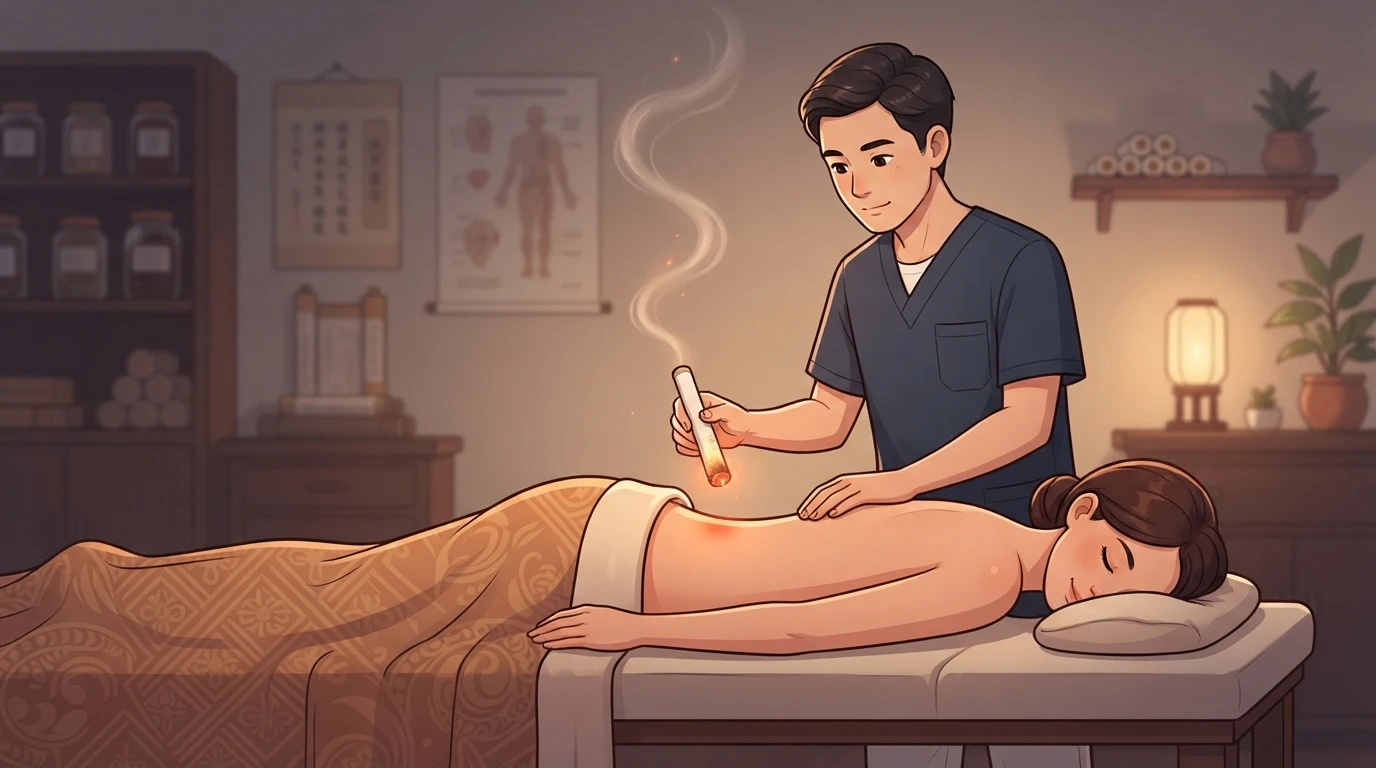
Heat applied to acupuncture points, aimed squarely at pain that feels cold and stiff. Moxibustion burns dried mugwort (Artemisia) over or near a point to add sustained warmth, used alone or after needling. It fits chronic low back pain, arthritic joints and period or pelvic pain that worsens in cold, damp weather.
Highlights
- Adds a sustained warming stimulus to specific points
- Particularly suited to stiffness and cold-pattern pain
- Reviews report favourable effects for chronic low back pain, though certainty is low
Specs
- Best for: Cold, stiff pain that flares in winter or damp weather, especially lower back and joints
- Evidence strength: Promising direction, low to very low certainty in reviews
- Needle-free: Yes, if applied without needling
Pros
- Warmth and relaxation are immediate and noticeable
- Pairs naturally with needling in the same session
- Non-invasive and low risk
Cons
- Smoke and heat are unsuitable for some patients
- Evidence certainty is low
- Unsuitable for reduced sensation or impaired circulation
It ranks here because the mechanism is plausible and results point the right way, but trial quality is too weak to place it above the herbal and combined approaches.
Last updated: November 18, 2026
4. Tuina therapeutic massage with acupressure
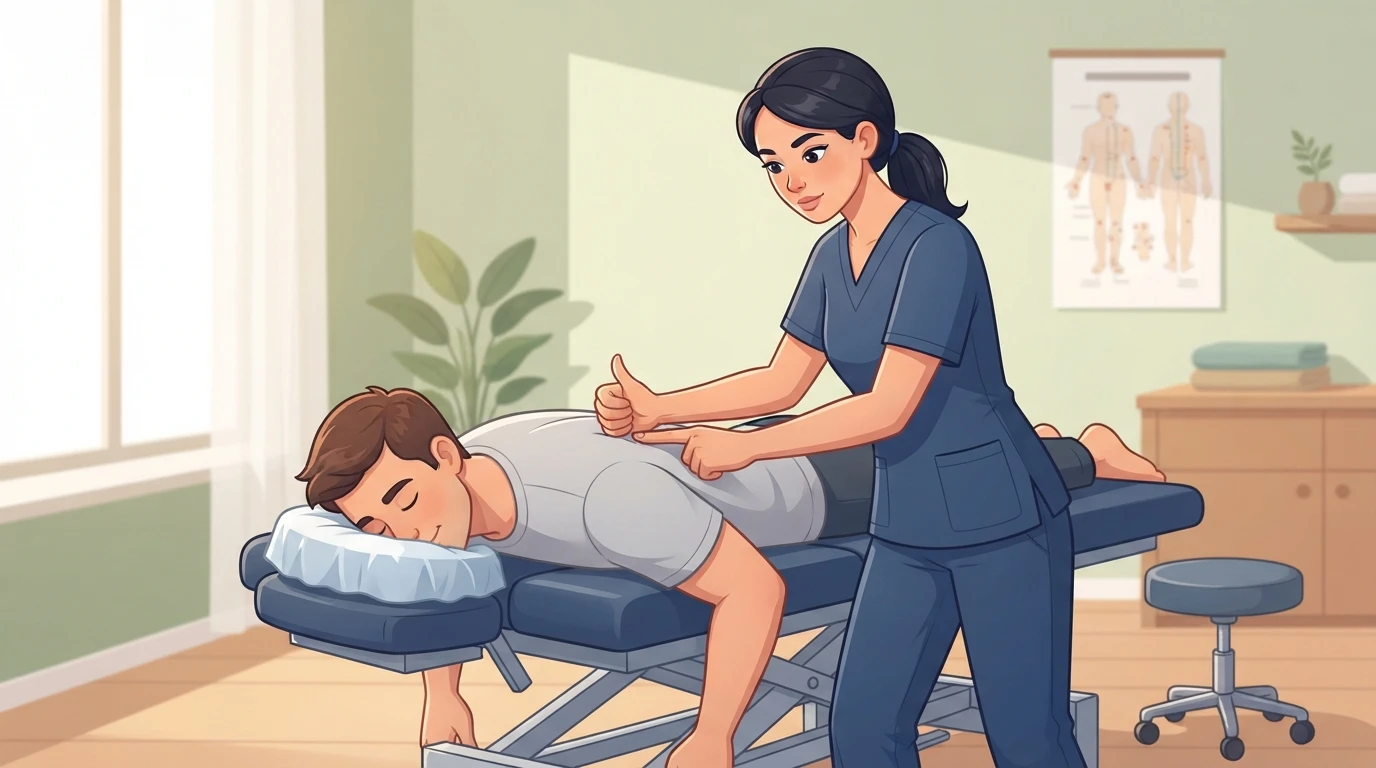
Tuina is structured manual work along the meridian channels, not a soft relaxation massage. Practitioners use sustained pressure, joint mobilisation and friction on the muscles behind most chronic back and neck pain, and teach acupressure for pain so you can treat reachable points yourself.
Highlights
- Systematic reviews support acupressure for low back pain, and self-applied pressure is simple to learn from guides like this VA handout
- Targets trigger points feeding chronic pain relief needs
- Home techniques give you long-term control
Specs
- Best for: Postural, tension and desk-related neck and back pain, and as a self-management tool
- Evidence strength: Moderate for low back pain, variable across conditions
- Needle-free: Yes
Pros
- No drugs, no devices, immediate tension relief
- Techniques you repeat daily
- Low cost, combines well with other modalities
Cons
- Effects fade without home practice
- Not for acute injury, fractures or marked inflammation
- Less useful for purely neuropathic pain
It ranks here because it carries decent evidence, needs no drugs and can be continued at home, just behind the herbal and combined TCM approaches.
Last updated: November 18, 2026
Honourable Mentions
Three more options round out the picture. Each has value, but results depend more on your type of pain or on steady home practice. Cupping and gua sha, for example, appear in many medicina cinese clinics and suit muscular tension best.
- Heat therapy and infrared lamp treatment – Cheap, safe daily support for stiffness and spasm, best layered under hands-on work
- Cupping and gua sha – Useful for muscular tension and recovery, though evidence for lasting pain relief is weak
- Mindfulness, tai chi and qigong – Consistent daily practice pays off for stress-driven pain and knee osteoarthritis
How to Choose the Right Analgesic Alternative for Chronic Pain
- Start from the pain type. Musculoskeletal pain responds to herbs, needling and tuina; neuropathic pain needs medical care first.
- Decide about needles. Prefer hands-on? Choose herbal prescriptions or acupressure.
- Demand a reviewed plan, not a fixed protocol.
- Screen safety: bring your full medication list.
- Set a measurable goal with a six-week review date.
Medicina Cinese meets every criterion: patterns re-read at each follow-up, prescriptions checked against your medications, and remote or in-person natural pain relief options for lasting chronic pain relief.

Ready to ease chronic pain without more pills? Book a personalized consultation with Medicina Cinese and find the natural alternative that fits your body.
Frequently Asked Questions
Q1: Can acupuncture replace analgesics for chronic pain management?
Often, yes, for musculoskeletal and osteoarthritic pain. Acupuncture effects persist over time, so many patients cut NSAID doses. Do it only with your prescribing doctor, never stop opioids abruptly.
Q2: What are the best natural alternatives to acupuncture for chronic pain?
Chinese herbal prescriptions, moxibustion, tuina with acupressure, heat therapy, cupping and gua sha, plus tai chi and qigong.
Q3: How does traditional Chinese medicine treat chronic pain without acupuncture?
Through herbal decoctions matched to your pattern, moxibustion warmth for cold stiffness, tuina manual work, and daily tai chi or qigong practice.
Q4: Can herbal medicine replace analgesics for chronic pain relief?
For inflammatory pain like osteoarthritis, a tailored formula can plausibly replace a daily analgesic course. Screen it against anticoagulants first.