



Are We Sacrificing Our Skies for Inefficient Technology?
In our rapidly advancing digital age, we often find ourselves pondering the true cost of the technology we rely on daily. With the recent SpaceX satellite internet service outage, many are questioning the reliability of services that are supposed to connect us seamlessly across the globe. The proliferation of satellites in our skies raises concerns about the pollution in the atmosphere and whether this is a path we truly want to pursue. Are we sacrificing the natural void in our skies for the sake of technology that fails us at crucial moments? As we explore these pressing issues, let’s examine the impact of our technological choices, not just on our connectivity, but on the environment and our well-being. Read more about the environmental impact of satellite constellations.
The Reliability of Services Today
In our increasingly connected world, we’ve come to expect constant, uninterrupted access to digital services. Yet, recent events have called into question the reliability of even our most advanced technologies.
SpaceX Satellite Internet Service
SpaceX’s Starlink has promised to revolutionise global internet connectivity. But recent events have shown it’s not without its challenges.
The service aims to provide high-speed internet to remote areas using a network of low-orbit satellites. It’s an ambitious project that has garnered significant attention and investment.
However, a recent global outage highlighted the vulnerabilities of this system. Users worldwide found themselves suddenly disconnected, raising questions about the service’s reliability.
This incident serves as a reminder that even cutting-edge technology can falter, leaving users in the lurch when they need connectivity most.
Network Interruptions and Outages
Network interruptions and outages are not unique to satellite internet services. They’re a common occurrence across various technologies.
These disruptions can range from minor inconveniences to major problems, depending on the user’s reliance on the service. For businesses, even short outages can lead to significant financial losses.
The causes of these interruptions are varied. They can stem from technical glitches, cyberattacks, or even environmental factors like severe weather.
As our dependence on digital services grows, so does the impact of these outages. It’s crucial to consider the reliability of services when making decisions about which technologies to adopt and rely upon.
Technology’s Impact on Our Lives
The influence of technology on our daily lives is undeniable. It’s reshaped how we work, communicate, and interact with the world around us.
The Pros and Cons of Connectivity
Constant connectivity has brought numerous benefits to our lives, but it’s not without its drawbacks.
On the positive side, it’s enabled remote work, instant communication with loved ones, and access to a wealth of information at our fingertips. These advancements have made many aspects of life more convenient and efficient.
However, there are downsides to consider. The expectation of constant availability can lead to stress and burnout. Privacy concerns are also paramount, as our digital footprints grow larger.
Moreover, the environmental impact of our digital infrastructure is becoming increasingly apparent. The energy consumption of data centres and the pollution from electronic waste are significant issues.
Balancing Convenience with Reliability
Finding the right balance between convenience and reliability is crucial in our tech-driven world.
While we enjoy the benefits of instant access to information and services, we must also consider the potential downsides. What happens when these services fail? How dependent have we become on technology?
It’s important to have backup plans and alternative methods for essential tasks. Relying too heavily on a single technology or service can leave us vulnerable to disruptions.
We should also consider the long-term implications of our technological choices. Are we sacrificing reliability for convenience? Or compromising our privacy for ease of use?
Striking this balance requires thoughtful consideration and informed decision-making about the technologies we adopt and how we use them.
Ecological Impact of Satellites
As we continue to launch more satellites into orbit, it’s crucial to consider the environmental consequences of these actions.
Pollution in the Atmosphere
The increasing number of satellites in our skies is contributing to a new form of pollution that we’re only beginning to understand.
Research suggests that satellite constellations like Starlink could have significant impacts on our atmosphere. As satellites re-enter Earth’s atmosphere, they release particles that could affect the ozone layer.
This atmospheric pollution isn’t just a theoretical concern. It’s a real issue that scientists are actively studying and monitoring.
The long-term effects of this pollution are still uncertain, but there’s growing concern about its potential impact on climate change and the overall health of our planet.
The Unseen Costs of Satellite Networks
Beyond atmospheric pollution, satellite networks come with other hidden costs that we’re only beginning to grapple with.
Light pollution is a significant issue, with satellite constellations interfering with astronomical observations and potentially disrupting wildlife patterns.
There’s also the problem of space debris. As more satellites are launched, the risk of collisions increases, potentially creating a cascade of debris that could make certain orbits unusable.
The energy required to manufacture, launch, and maintain these satellite networks is substantial, contributing to overall carbon emissions.
These unseen costs highlight the need for a more comprehensive assessment of the true impact of satellite technology.
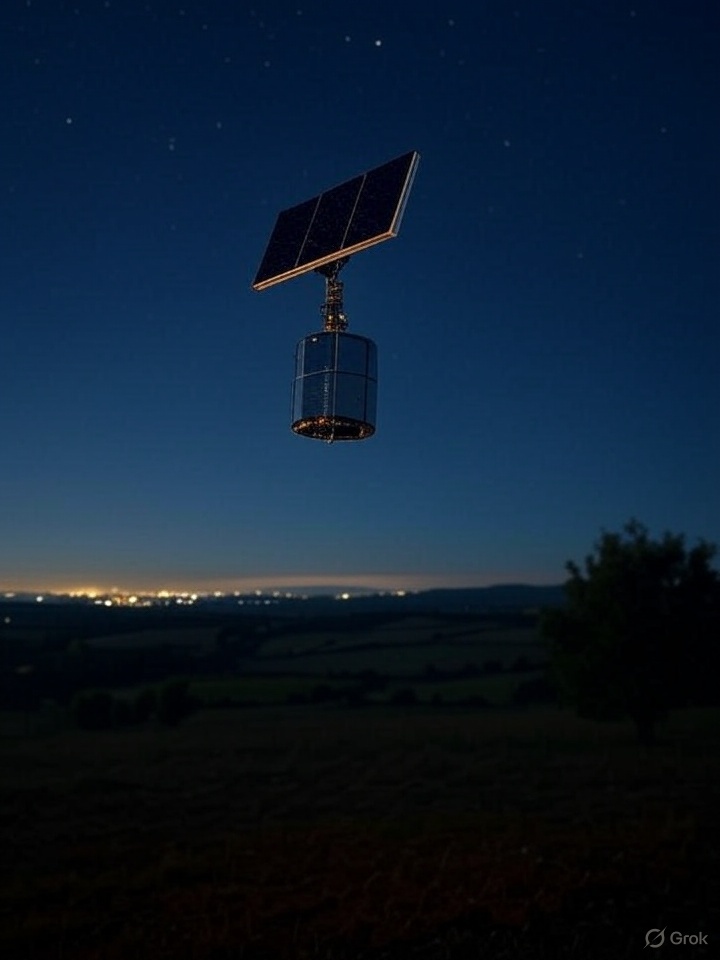
A Sky Full of Satellites
The proliferation of satellites in our skies raises important questions about the future of space and our relationship with it.
How Many Is Too Many?
The number of satellites orbiting Earth has increased dramatically in recent years, leading to concerns about overcrowding in space.
SpaceX alone plans to launch tens of thousands of satellites for its Starlink constellation. Other companies have similar ambitions, potentially leading to a sky crowded with artificial objects.
This raises questions about the sustainable use of space. How many satellites can we safely put into orbit before it becomes problematic?
There are concerns about interference with astronomical observations, increased risk of collisions, and the visual impact on our night sky.
Regulatory bodies are grappling with these issues, trying to balance the benefits of satellite technology with the need to protect space as a shared resource.
The Future of Our Skies
As we look to the future, it’s clear that our relationship with space is changing rapidly.
The commercialisation of space is opening up new possibilities, from global internet coverage to advanced Earth observation capabilities. These technologies have the potential to bring significant benefits.
However, we must also consider the long-term implications of these developments. Will our night sky be forever changed? How will this affect our connection to the natural world?
There’s also the question of equity. Who benefits from these technologies, and who bears the costs? As we shape the future of our skies, these are crucial considerations.
Conscious Choices for a Better Future
As we navigate this new technological landscape, it’s essential that we make informed and conscious choices about the technologies we adopt and support.
Being Informed and Aware
Making conscious choices starts with being well-informed about the technologies we use and their impacts.
This means going beyond the marketing hype and looking at the broader implications of new technologies. What are the environmental costs? How reliable are they? What are the privacy implications?
It’s also important to stay updated on the latest research and developments in these areas. Technology is evolving rapidly, and new information is constantly emerging.
We should critically evaluate our needs and the solutions offered. Is a particular technology truly necessary, or are there alternative solutions with less impact?
By staying informed and aware, we can make choices that align with our values and contribute to a more sustainable future.
Embracing Necessary Technology
While it’s important to be critical of new technologies, we shouldn’t dismiss their potential benefits outright.
The key is to embrace technology that truly enhances our lives and contributes to solving real problems. This might mean supporting technologies that improve access to education or healthcare in underserved areas.
We should prioritise technologies that are designed with sustainability in mind, from their manufacturing process to their end-of-life disposal.
It’s also crucial to support companies and initiatives that are transparent about their environmental impact and are actively working to mitigate it.
By making conscious choices about the technologies we use and support, we can help shape a future where technology serves humanity without compromising our planet’s health.