


Quick Summary: Heat and exercise have the strongest evidence for easing menstrual cramps, while ginger, omega-3, magnesium-rich foods, and vitamin D offer smaller benefits. Acupuncture, acupressure, moxibustion, and pattern-specific Chinese herbs may also help, but herbs should be prescribed by a trained practitioner because interactions are possible. Seek medical care if pain disables you, worsens over time, or comes with heavy bleeding, fever, unusual discharge, or pelvic pain.
You have probably tried the hot water bottle twice, and you have probably wondered, while curled up at 7am on day two, whether anything stronger exists than ibuprofen and a warm compress. For many people, natural remedies for menstrual cramps do work, but only if you pick the right one. This guide ranks proven options, from heat therapy and cramps home remedies to acupuncture and Chinese herbs, and shows which combinations are safe.
Why Menstrual Cramps Happen and What Natural Care Can Address
The Prostaglandin and Circulation Mechanics of Cramping
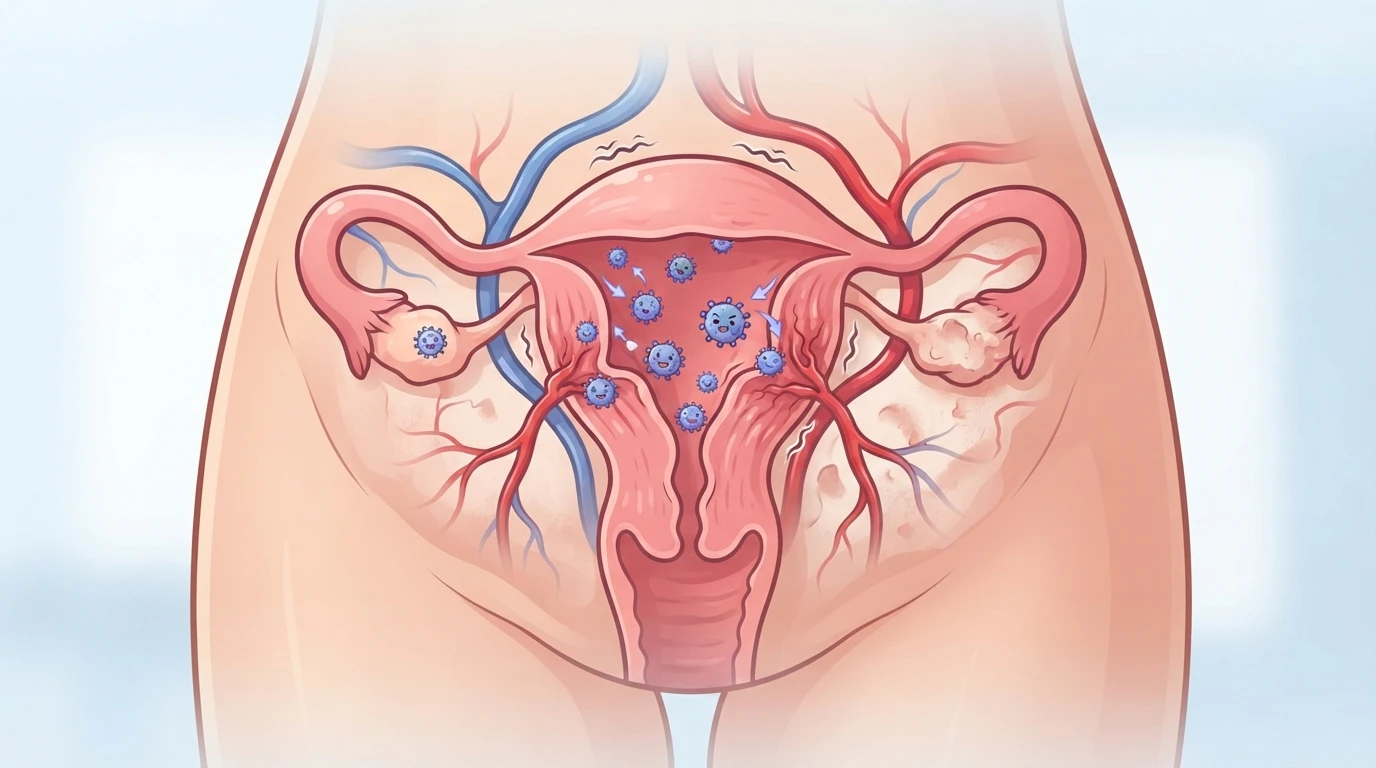
Your uterus releases prostaglandins to shed its lining. High levels tighten the muscle too hard, briefly cutting blood flow, which starves the tissue and causes period pain.
Primary Versus Secondary Dysmenorrhoea: Why the Distinction Matters
Primary dysmenorrhoea is common cramping with a healthy uterus. Secondary comes from endometriosis, fibroids or adenomyosis. The difference matters because severe or worsening pain needs medical testing first.
What NSAIDs and Hormonal Options Do, and Where Natural Care Fits
NSAIDs block prostaglandins; hormonal methods thin the lining. Natural approaches like acupuncture and heat improve circulation instead, so they can sit alongside standard care rather than replace urgent treatment.
What Helps Most: Natural Remedies Ranked by Evidence
The most effective natural remedies for menstrual cramps, ranked by evidence strength, are:
- Exercise and topical heat – strongest support
- Ginger, omega-3, anti-inflammatory foods, vitamin D – moderate support
- TENS, acupressure, sleep – smaller or mixed studies
The Top Tier: Exercise and Topical Heat
Movement and heat lead the list. Regular physical activity may ease menstrual cramp pain, and a heating pad or hot water bottle relaxes uterine muscle within minutes. Both cost little and carry no interaction risk.

Second Tier: Ginger, Omega-3, Anti-Inflammatory Foods and Vitamin D
Ginger has real trial data: 750-2000 mg daily during the first days of bleeding reduced pain in studies. Omega-3 fats, magnesium-rich foods and vitamin D show smaller but positive effects.
Third Tier and Worth Knowing: TENS, Acupressure and Sleep
A TENS unit sends mild currents over the lower abdomen; acupressure at points like SP6 helps some people. Poor sleep worsens pain, so treat rest as part of the plan.
Traditional Chinese Medicine for Cramps: Acupuncture, Moxibustion and Chinese Herbs
How TCM Reads Menstrual Pain: Cold, Stasis and Qi Patterns
In traditional Chinese medicine, period pain signals blocked qi and blood flow, often from “cold” in the uterus or blood stasis. Treatment therefore warms, moves and unblocks, with the pattern deciding which points and herbs fit.
Acupuncture and Moxibustion: What the Trials Show
Acupuncture may ease period pain by influencing prostaglandin-driven uterine contractions and improving local blood flow. Reviews find it outperforming some controls, though study quality varies. Common points include SP6, LI4 and REN6, sometimes with moxibustion, the warming of points with mugwort.
Chinese Herbal Formulas and the Rules for Using Them Safely
Formulas are matched to your pattern:
- Gui Zhi Fu Ling Wan for stasis
- Si Wu Tang and Wen Jing Tang for cold and deficiency
- Dang Gui Shao Yao San for mixed patterns
See a trained practitioner before combining herbs with medication, since interactions are real; this is where a personal herbal prescription matters.
Building Your Cramp Relief Plan and Knowing When to Escalate
A Cycle-Based Protocol You Can Actually Follow
Start heat and ginger on day one, add acupressure at SP6 through day three, and keep magnesium and omega-3 going all month. If you want a period pain relief plan shaped around your cycle and diagnosis, a TCM consultation can combine herbs and acupuncture.
Red Flags: When Natural Remedies Are Not Enough
See a doctor if you notice:
- Pain that stops you working or needs strong painkillers
- Cramps that worsen over several cycles
- Bleeding between periods or after sex
- Fever, pelvic pain or unusual discharge
- No relief from any remedy
These can signal endometriosis, adenomyosis or fibroids, which need proper diagnosis.

If cramps still rule your cycle, personalized acupuncture and herbal prescriptions can target the root cause. Book a consultation with Medicina Cinese and get a plan built for you.
Frequently Asked Questions
Q1: What are the most effective natural remedies for menstrual cramps?
Heat therapy and exercise rank first, then ginger, omega-3 and vitamin D.
Q2: How does acupuncture help with period pain?
It may ease prostaglandin-driven contractions and improve blood flow at points like SP6.
Q3: Can traditional Chinese medicine relieve menstrual cramps?
Yes. Formulas like Gui Zhi Fu Ling Wan match your specific pattern, ideally prescribed by a trained practitioner.
Q4: Which herbal remedies are safe for period cramps?
Ginger is well studied. Chinese herbs are generally safe when professionally prescribed, since interactions with medication are possible.
Conclusion
Heat and exercise offer the strongest evidence, ginger and omega-3 come next, and TCM treats the underlying pattern. Start gentle, stay consistent, and escalate persistent period pain to a doctor for proper diagnosis.