




Quick Summary: Match bloating relief to the cause: try simple fixes like slow eating for occasional gas, but consider coated peppermint oil for IBS-type cramps. Herbs like fennel, ginger, and chamomile have only limited evidence what works for mild symptoms. Test one remedy for 7-14 days, keep a diary, and stop if symptoms worsen. See a doctor for red flags like blood in stool, fever, or sudden changes. Acupuncture and Chinese herbs may offer comfort, but evidence remains weak and only trained clinicians should prescribe herbs.
Bloating after a rich Italian meal, a tense workday, or training needs a different fix based on gas, cramps, constipation, reflux, or a gut issue. This guide weighs rimedi gonfiore addominale, bloating natural remedies, and herbal remedies bloating by likely benefit and safety. Find practical abdominal bloating relief, learn when natural bloating remedies fit, and when to seek professional care.
Match the Remedy to Your Bloating Pattern
For Occasional Gas After Meals
Start with the simplest rimedi gonfiore addominale: eat slowly, skip fizzy drinks, and take a short walk after meals. Keep a food-and-symptom note for one week.
- Try peppermint or caraway tea for mild discomfort.
- Reduce gum, straws, and large meals.
- Test lactose or beans only if they repeatedly trigger symptoms.
NIDDK guidance supports smaller meals and less swallowed air.
For Cramping, IBS-Like Symptoms, or Constipation
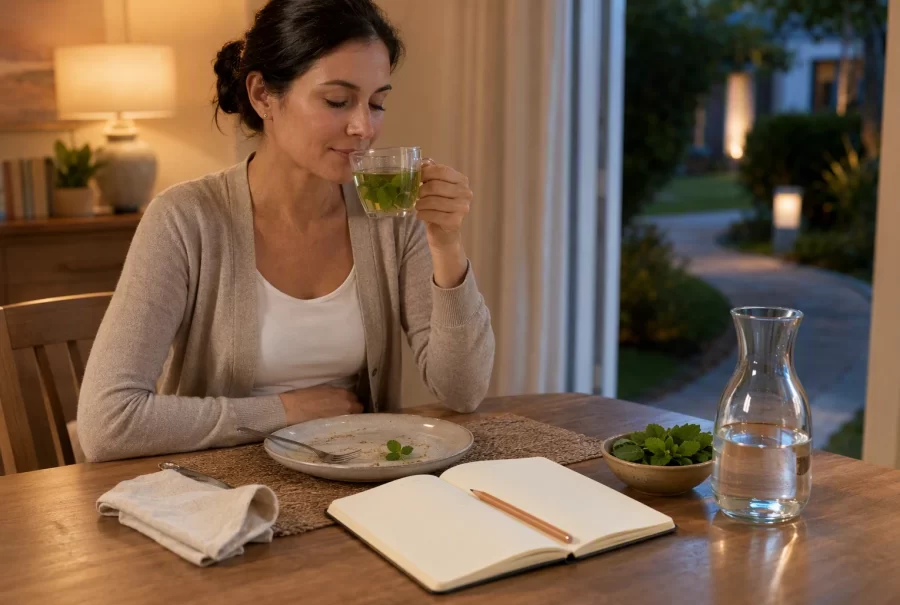
Do not treat recurring cramps as simple gas. IBS can involve pain plus changed bowel habits. Ask a clinician about a low-FODMAP trial or slowly increasing soluble fibre. Coated peppermint oil may help pain, but check suitability first.
Seek care for weight loss, blood in stool, fever, or sudden symptom change.
These rimedi gonfiore addominale need a tailored plan.
Also Read: Natural vs Naturopathic vs Holistic vs Functional Medicine
Choose the Most Evidence-Supported Herbal Option Carefully
Why Peppermint Oil Is the Leading Botanical Candidate
For bloating linked with IBS-type cramps and gas, enteric-coated peppermint oil has the strongest, though still modest, short-term evidence. NCCIH notes it may ease bloating, pain, and gas.
| Option | Evidence for bloating | Best fit |
|---|---|---|
| Enteric-coated peppermint oil | Modest, short-term | IBS-type cramps and gas |
| Fennel, ginger, chamomile | Limited | Mild, occasional symptoms |
Choose a product with a clear dose and enteric coating. Tea is not the same as a tested capsule.
When Peppermint, Fennel, Ginger, or Chamomile May Not Be Appropriate
- Avoid peppermint oil with GERD, reflux, or hiatal hernia.
- Ginger may cause heartburn or diarrhea.
- Avoid chamomile if you react to ragweed-family plants or take warfarin.
- Ask a clinician before using herbs during pregnancy or with medicines.
Stop self-treatment and seek care for weight loss, blood in stool, fever, severe pain, or new symptoms after age 50.
Also Read: Traditional Chinese Medicine in 2026: What Recent Research Says
Decide Whether Supplements, Acupuncture, or Chinese Herbal Medicine Fit
What to Know About Probiotics and Digestive Supplements
Try one product at a time for 2-4 weeks and track bloating, pain, and stool changes. Probiotic effects vary by strain, and evidence for IBS bloating is not firm, according to NCCIH.
| Option | Best fit | Watch for |
|---|---|---|
| Probiotic | Symptoms after antibiotics | More gas at first |
| Peppermint oil | Gas with cramping | Reflux or heartburn |
Acupuncture and Traditional Chinese Medicine
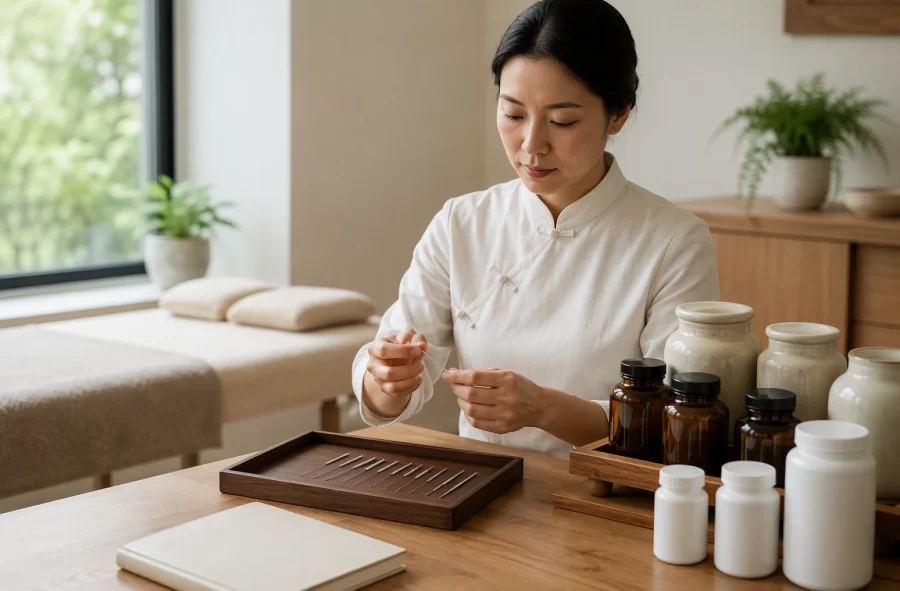
Choose acupuncture if stress, poor sleep, or tension worsen your gut symptoms. It may support comfort, but trials for IBS have not shown clear benefit over sham acupuncture. Chinese herbs need a trained clinician because quality and drug interactions matter. NCCIH notes safety concerns with contaminated products.
Avoid self-prescribed herbs if you are pregnant, take medicines, or have liver disease.
Also Read: Acupuncture vs Herbal Medicine: Which Fits Your Symptoms?
Use a Safe Trial and Know When to Seek Medical Advice
A One-Change-at-a-Time Plan
Try one low-risk change for 7 to 14 days. Keep a short diary of meals, stress, bowel habits, and bloating. For example:
- Eat more slowly and skip fizzy drinks.
- Then test one remedy, such as peppermint tea.
- Stop if symptoms worsen.
This method helps you spot a real trigger. NIDDK advises food and symptom diaries for gas assessment.
Red Flags That Change the Decision
Do not self-treat persistent bloating if you have:
- Severe or ongoing belly pain
- Blood in stools, vomiting, or fever
- Unplanned weight loss
- New constipation or diarrhoea
Seek urgent care for chest pain or prolonged severe abdominal pain. These signs need medical assessment, not another supplement.

Choose remedies that match your symptoms, not guesswork. Get a personalized herbal and wellness plan from Medicina Cinese for recurring bloating.
Frequently Asked Questions
Q1: What are the best natural remedies for abdominal bloating?
Peppermint oil may help cramping. Ginger can ease nausea. Try smaller meals and a short walk after eating. Avoid remedies that worsen reflux.
Q2: What are the most effective natural remedies for abdominal bloating?
Match the remedy to the pattern. Peppermint suits cramps, ginger suits nausea, and fibre changes help constipation. Seek care for ongoing or painful bloating.
Q3: How does traditional Chinese medicine view abdominal bloating?
Traditional Chinese medicine may link bloating to digestion, stress, and food tolerance. A qualified practitioner uses your full symptom pattern to guide care.
Q4: Can acupuncture help relieve abdominal bloating?
Acupuncture may help some people with gut discomfort and stress-related symptoms. Evidence is mixed, so use it alongside medical assessment when symptoms persist.
Conclusion
Match remedies to your symptom pattern, start one change at a time, and track results. Seek medical advice for pain, weight loss, or lasting symptoms, as NIDDK advises.