


'/%3E%3C/svg%3E)

'/%3E%3Cpath%20fill='%23b2b2b2'%20d='M241%20382q0%2016%2017%2026%2017%2011%2042%2011t42-11q16-11%2017-26V269H241'/%3E%3Cpath%20fill='%239f7e00'%20d='M241%20379q0%2014%208%2023%209%209%2021%209%2014%200%2021-9%209-9%209-23V269h-59'/%3E%3Cpath%20d='M241%20339v-70h59v110q0%2014-9%2023l-6%205v-68h-15v72q-8%200-14-4v-68zm59%2040c0%2022%2015%2032%2029%2032%2021%200%2030-18%2030-32v-40h-59'/%3E%3Cpath%20fill='%239f7e00'%20d='M266%20277v5h2v12h-3v-5h2v-5h-9v5h2v5h-4v9h3v18h-5v10h34v-10h-5v-18h3v-9h-4v-5h2v-5h-9v5h2v5h-3v-12h2v-5zm42%20101q0%2010%206%2017%206%206%2015%207%2010-1%2016-7%206-7%206-17v-29h-43'/%3E%3Ccircle%20fill='%230044ad'%20cx='329.5'%20cy='372'%20r='6'/%3E%3Cellipse%20fill='%230044ad'%20cx='300'%20cy='340'%20rx='16'%20ry='21'/%3E%3C/svg%3E)



Quick Summary: Hip replacement alternatives should start with your function and diagnosis. Tailored exercise, physiotherapy, weight management, education, and assistive devices rank highest, while acupuncture offers not only a limited short-term relief but the change to treat the root cause especially combined with quantum energy medicine. Medicina Cinese is a strong option for those wanting acupuncture and traditional Chinese medicine alongside a clinician-led core plan.
A hip X-ray may look badly worn while you still walk well. Another may show modest change, yet pain limits every step. So hip replacement alternatives should start with your function, diagnosis, and a clear non-surgical plan, not claims that one remedy regrows cartilage.
People trying to prevent hip replacement face mixed advice on exercise, supplements, injections, acupuncture, and herbal care. Some hip replacement alternatives can ease pain and improve movement. No natural hip therapy can reliably rebuild a severely damaged joint or promise surgery will never be needed.
This guide ranks eight hip replacement alternatives, from tailored exercise and weight management to rehabilitation, self-care, symptom relief, and acupuncture. It also flags weak evidence and explains when to seek specialist help across Italy, Switzerland, and Europe.
The ranking weighs European and international guidance, hip osteoarthritis evidence, safety, real-world practicality, and likely gains in pain or function. These options support shared decisions, not diagnosis, medicine review, or orthopaedic assessment when symptoms are severe.
Quick Comparison of Hip Replacement Alternatives
| Treatment | Best for | Evidence position | Main expected benefit | Key limitation |
|---|---|---|---|---|
| Tailored therapeutic exercise | Most adults with hip osteoarthritis | Strong guideline support | Improved strength, mobility, pain, and function | Requires consistency and individual progression |
| Multicomponent physiotherapy and rehabilitation | People needing assessment and guided progression | Moderate to strong support depending on component | Better movement, strength, gait, and daily function | Access, cost, and adherence can vary |
| Weight management when appropriate | People with overweight or obesity and hip osteoarthritis | Strong guideline support | Lower pain and improved function and general health | Not every patient needs weight loss and results take time |
| Education and self-management | Anyone managing a long-term hip condition | Strong guideline support | Better adherence, confidence, and day-to-day control | Requires ongoing practice and personalised advice |
| Assistive devices and activity modification | People with walking difficulty, instability, or painful loading | Guideline-supported for selected needs | Safer, more comfortable daily movement | Incorrect use can increase strain or reduce confidence |
| Acupuncture as an adjunct | Selected patients seeking adjunctive short-term symptom relief | Limited or conditional support | Possible small improvement in pain and function | No proof it slows progression or avoids surgery |
What to know about hip replacement alternatives
Hip osteoarthritis affects the whole joint. It can bring pain, stiffness, shorter walking distance, poor sleep, and less confidence with daily tasks. For many people, the main goal is to stay active and independent for as long as possible.
Natural and non-surgical care can ease symptoms and protect function. It may delay hip replacement for some people, especially when symptoms are mild to moderate. It cannot reliably rebuild cartilage or reverse severe joint damage.
European care guidance puts personalised education, exercise, weight management, walking aids, and practical habit changes at the centre of treatment. The right plan depends on your pain, mobility, X-ray findings, health, and goals.
Avoiding surgery should never mean putting up with worsening pain or losing your independence.
1. Tailored therapeutic exercise
A tailored exercise plan is the strongest natural foundation before considering surgery. It can help you stay active and may delay hip replacement when symptoms remain manageable.

Highlights
- Build hip, leg, and trunk strength with walking, cycling, or pool exercise.
- Progress slowly based on pain, movement, other health needs, and your goals.
- NICE recommends tailored therapeutic exercise for all adults with osteoarthritis.
Specs
- Best for: Most adults with hip osteoarthritis
- Expected benefit: Better strength, mobility, pain control, and daily function
- Limitation: It will not rebuild severely worn cartilage
Pros
- Supports general health and hip function
- Can suit mild to selected advanced disease
Cons
- Pain may rise briefly at first
- Generic routines can aggravate symptoms
Supervised sessions help if technique or confidence is a barrier.
It ranks first because consistent exercise improves pain, function, and quality of life.
Last updated: September 15, 2026
Also Read: Natural Medicine in Lugano vs Conventional Care: Which Path Suits You?
2. Multicomponent physiotherapy and rehabilitation
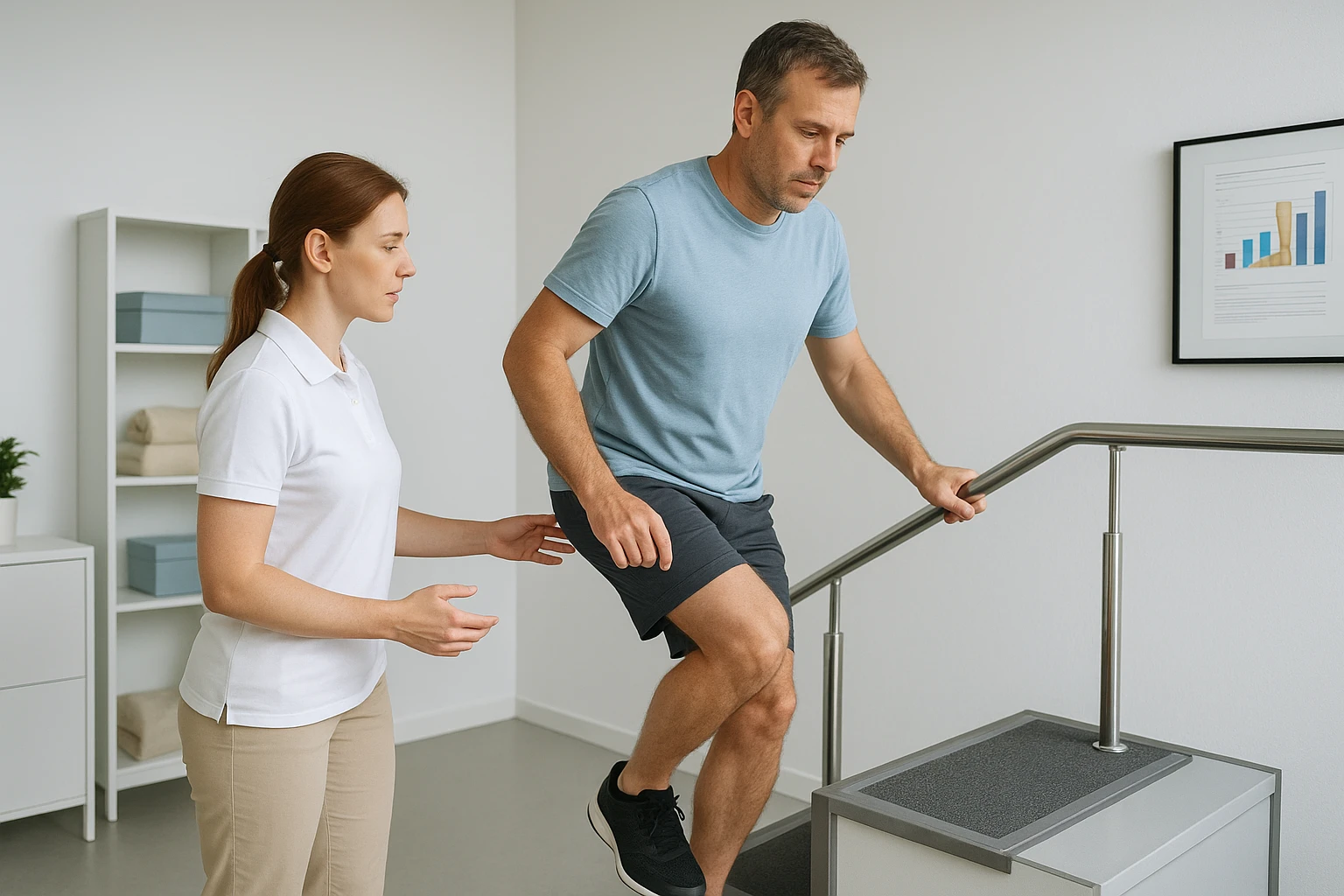
A coordinated plan helps when isolated exercises are not enough. A physiotherapist can check whether your pain is driven by the hip, back, pelvis, tendons, or walking pattern.
Highlights
- Assessment of strength, movement, gait, balance, and daily function.
- Progressive supervised and home exercise. European guidance supports tailored, multicomponent care.
- Water exercise can help if land-based loading hurts. A systematic review found gains in pain, balance, and function.
Specs
- Best for: People who need guided progression and clear goals.
- Track: Walking distance, stairs, chair stands, sleep, and valued activities.
- Limitation: Results rely on programme quality and regular practice.
Pros
- Finds functional contributors and supports safe use of a stick if needed.
Cons
- Hands-on treatment alone is not a long-term answer.
It ranks here because a tailored plan is more useful than passive care alone.
Last updated: September 15, 2026
3. Weight management when appropriate
If you live with overweight or obesity, gradual weight loss can reduce hip load and improve daily comfort. It is support, not blame, and never a condition for orthopaedic care.

Highlights
- NICE lists weight management, where appropriate, as a core osteoarthritis treatment that can reduce pain and improve function and quality of life. Read the guideline
- Pair food changes with strength work to help protect muscle. Avoid crash diets.
Specs
- Best for: People with overweight or obesity and hip osteoarthritis
- Main benefit: Less pain, better movement, and wider health gains
- Key limit: It will not reverse joint damage, and progress takes time
Pros
- May improve exercise tolerance and general health
Cons
- Mobility limits can make activity harder
Ask a clinician or dietitian to factor in diabetes, heart health, medicines, and safe goals.
It ranks here because NICE supports tailored weight-loss help as part of combined osteoarthritis care.
Last updated: September 15, 2026
4. Education and self-management
Practical skills help conservative care work over time. Learn to pace activity, plan for flares, and judge progress by pain and function, not scans alone. NICE guidance supports tailored information and shared decisions.

Highlights
- Set goals for walking, sleep, work, or independence.
- During a flare, reduce load briefly, then build back gradually.
- Adapt chores and hobbies rather than stopping everything.
Specs
- Best for: Anyone with a long-term hip condition
- Evidence: Strong guideline support
- Limitation: Needs regular practice and personal advice
Pros
- Low risk and helps other treatments stick.
Cons
- Online advice can mislead. Seek assessment for new severe pain, fever, or inability to bear weight.
It ranks here because better self-management makes natural hip therapy more likely to last.
Last updated: September 15, 2026
5. Assistive devices and activity modification
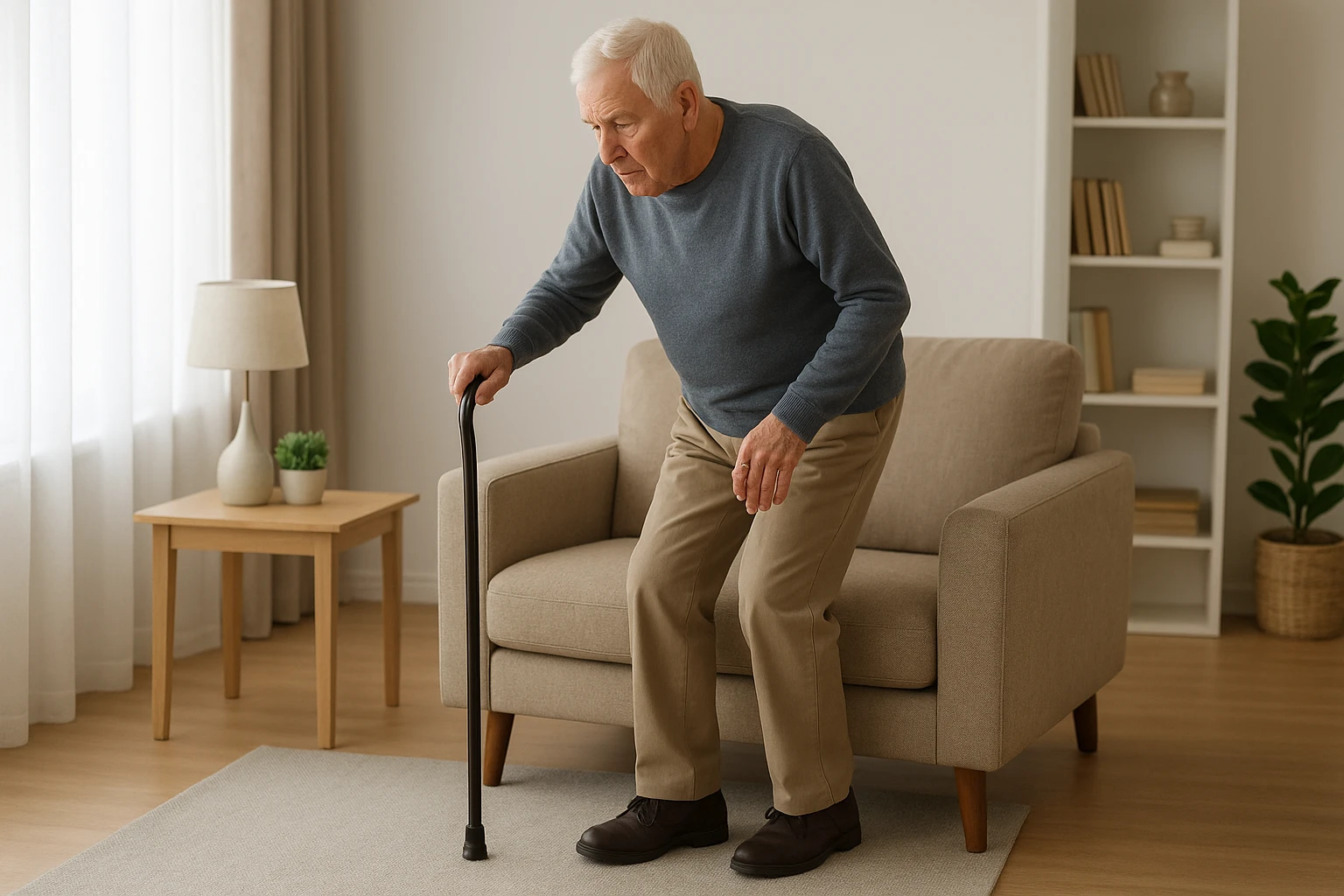
Small changes can reduce painful loading straight away. A well-fitted cane, stable shoes and raised seating can make daily movement safer.
Highlights
- Use a cane in the hand opposite the painful hip, after professional fitting and advice.
- Choose supportive footwear, use handrails, and break chores into shorter sessions.
- Change pace, distance, surfaces and rest time rather than stopping all activity. NICE guidance supports care tailored to symptoms and function.
Pros
- Can help immediately and support independence.
Cons
- Incorrect technique can add strain and reduce confidence.
This ranks here because it lowers daily load with little risk while you build strength.
Last updated: September 15, 2026
6. Chinese medicine as the game changer
Chinese medicine may offer not only short-term symptom relief but the ultimate long term root cause treatment for some people. It is not a proven way to stop hip osteoarthritis or avoid hip replacement but boy can it be a solid tool.

Highlights
- A Cochrane review of hip osteoarthritis found little or no difference in pain or function versus sham acupuncture.
- Use it alongside exercise, rehabilitation, and medical follow-up, not instead of them.
- Set practical goals, such as walking farther or sleeping better, then review progress after a short trial.
- Tell your practitioner about blood thinners, bleeding problems, pregnancy, infection risk, and other health issues.
Specs
- Best for: Selected people seeking non-drug, short-term pain support
- Evidence position: Limited or conditional support
- Main expected benefit: Small possible gains in pain and function
- Key limitation: No proof it restores cartilage or slows progression
Pros
- May suit people who want a non-drug option.
- Can fit around active rehabilitation.
Cons
- Benefits may be small or short-lived.
- Bruising or minor bleeding can occur, as the review reports.
Choose a properly trained practitioner who follows clean-needle practice.
It ranks here because evidence does not show that acupuncture changes the course of hip osteoarthritis.
Last updated: September 15, 2026
Other options worth discussing with a clinician
Some options may help selected people, but their proof, risks, and fit vary. Discuss them alongside your exercise and pain-management plan.
- Manual therapy and mobility work – May ease pain and improve movement short term when paired with therapeutic exercise, not used alone.
- Clinician-reviewed complementary options – Heat therapy, tai chi, yoga, relaxation, and selected traditional care may support wellbeing, but do not restore cartilage.
How to choose the right hip replacement alternative
Pick treatment based on your diagnosis and your daily goal, not a scan alone. Hip osteoarthritis can feel like bursitis, tendon pain, spinal pain, inflammatory arthritis, or even a fracture.
- Confirm the cause first. Ask for a clinical assessment before starting any new plan.
- Build on the core plan. Choose tailored exercise, clear education, and weight management if needed. A physiotherapist can help with gait, safe progress, and sticking with it.
- Set one practical goal. It may be walking farther, sleeping better, climbing stairs, or working with less pain. Better function matters even if the X-ray stays the same.
- Use add-ons with a clear trial. Acupuncture, manual therapy, supplements, herbs, and injections should support – not replace – active rehabilitation. Ask about evidence, risks, trial length, and how you will measure benefit.
- Choose personalised support. Medicina Cinese’s Jassacutune is a strong option for people who want acupuncture and traditional Chinese medicine tailored to their symptoms alongside a clinician-led core plan.
Seek urgent care after a fall with severe pain, inability to bear weight, fever, a hot swollen joint, sudden decline, weight loss, or new numbness or weakness.
Arrange review if pain, sleep, walking, or independence keeps worsening. Ask about orthopaedic referral when conservative care no longer gives acceptable relief.

If hip pain is limiting your life, get a personalised plan before surgery feels like the only option. Medicina Cinese offers acupuncture, herbal support, quantum energy medicine and exercises to help manage pain and improve movement safely.
Frequently Asked Questions
Q1: What natural treatments help delay hip replacement?
Targeted strength work, weight management, pacing, walking aids, and physiotherapy can ease load on the joint. Heat, sleep support, and acupuncture may help pain control. Results vary, so review worsening symptoms with a clinician.
Q2: Does acupuncture slow hip osteoarthritis progression?
Acupuncture may reduce pain and improve movement for some people, but it has not been shown to rebuild cartilage or reliably slow joint damage. Use it alongside exercise, not instead of medical review.
Q3: Are there natural alternatives to hip replacement in Italy?
Yes. Ask your GP or orthopaedic team about physiotherapy, exercise plans, weight support, pain care, and acupuncture. These can delay surgery when symptoms remain manageable and daily function is preserved.
Q4: How effective is acupuncture for hip pain in Europe?
Evidence suggests acupuncture can offer short-term pain relief for some people. Choose a qualified practitioner, set clear goals, and reassess after several sessions. Seek urgent advice for fever, sudden weakness, or inability to bear weight.
Trackbacks/Pingbacks