


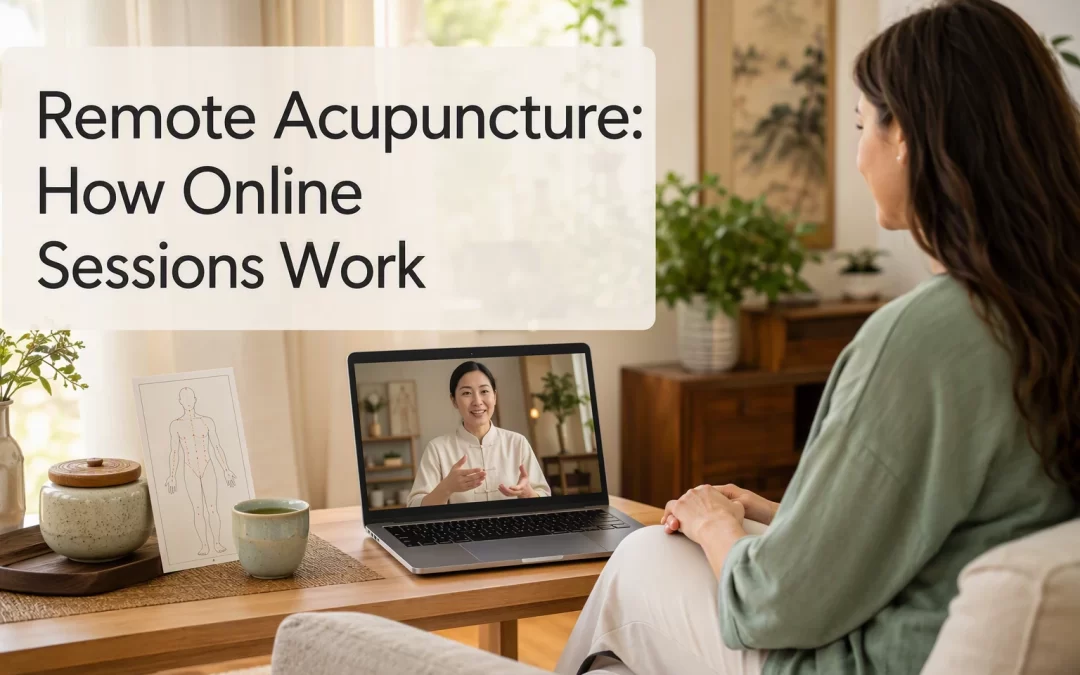
Quick Summary: Remote acupuncture sessions can handle assessment, lifestyle advice, and follow-up, but they cannot include needle insertion, which always requires an in-person visit. Before booking, confirm what the session covers, prepare a full health history, and use the call to get a personalized care plan. Choose remote care for stable follow-ups and stress support, but go in person for new or severe symptoms or hands-on assessment. Always seek urgent medical help for chest pain, breathing trouble, or sudden weakness.
Travel, work, or recovery may make a clinic visit hard. With acupuntura in remoto, the key question is not whether needles can pass through a screen. It is which parts of care can be checked and continued safely online.
This guide explains what acupuntura in remoto can support, what still needs an in-person visit, and how to judge if it fits you. It uses clinically responsible traditional Chinese medicine principles for people in Italy seeking acupuntura in remoto.
Step 1: Confirm What the Remote Session Includes
Ask These Questions Before Booking
A remote appointment can offer assessment, lifestyle advice, movement guidance, and follow-up. It cannot include needle insertion. Acupuncture uses needles placed through the skin, so this part requires an in-person visit, as NCCIH explains.
Ask the practitioner:
- Is this a video consultation, a treatment plan, or follow-up care?
- Will you review symptoms, medicines, and medical history?
- Are herbal products suggested, and how are medicine interactions checked?
- What needs an in-clinic appointment or urgent medical care?
- What training and experience do you have with my concern?
Tip: Tell both your doctor and practitioner about all medicines and supplements. This supports safer, joined-up care, as NCCIH advises.
| Remote session | In-clinic acupuncture |
|---|---|
| Advice and care plan | Physical needle treatment |
| Video-based review | Body assessment and treatment |
Also Read: Acupuncture in Remoto vs In-Clinic: Pros and Limits
Step 2: Prepare for the Online Assessment
Bring a Complete Health History
Write down the facts before your call. A clear history helps the practitioner see patterns and spot when you need other care.
Bring:
- Your main concern, when it began, and what makes it better or worse
- Past diagnoses, operations, allergies, and recent test results
- Every medicine, supplement, and herb, with dose and frequency
- Sleep, digestion, stress, appetite, and energy changes
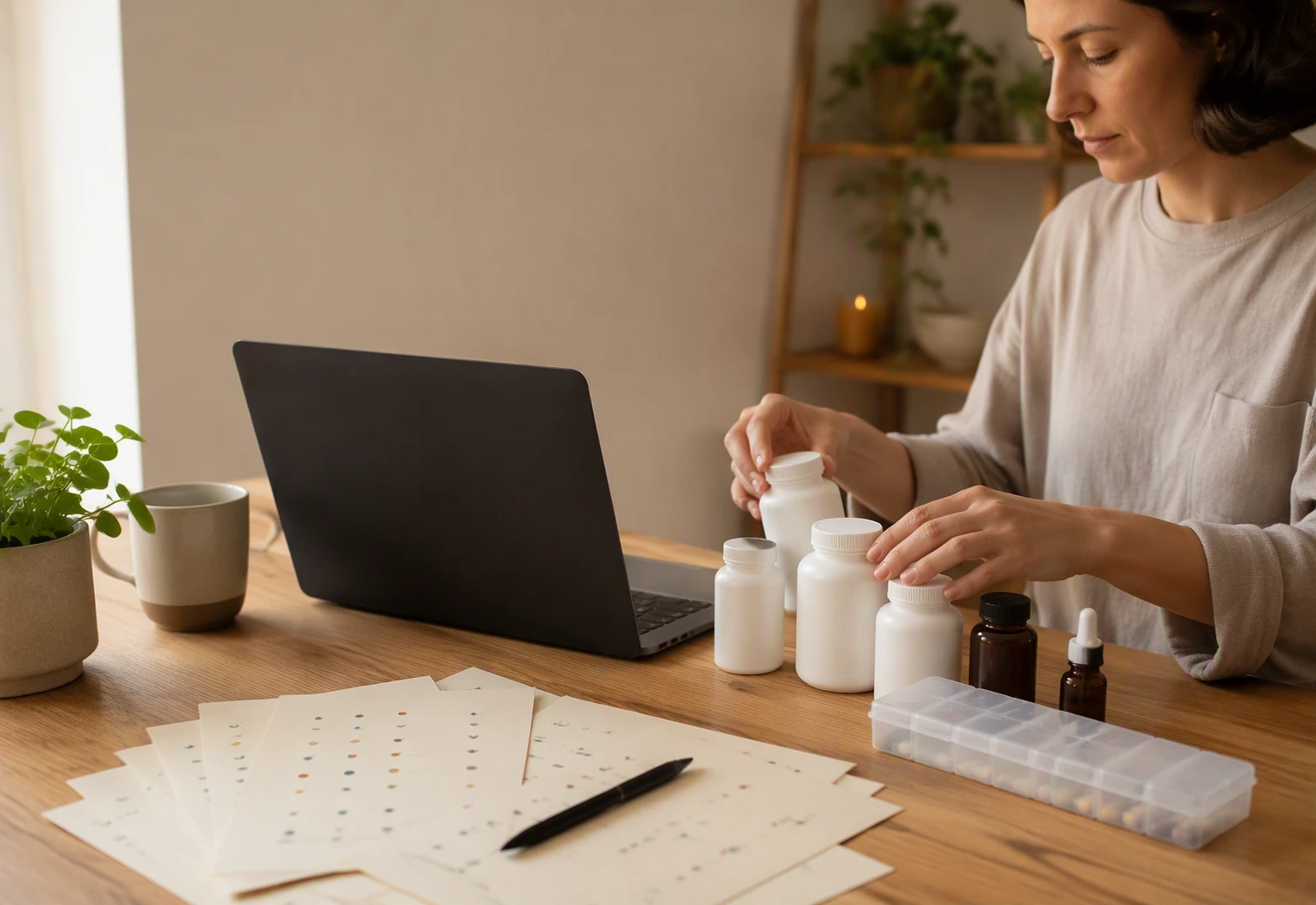
NCCIH advises sharing all medicines and supplements, since they may interact.
An online assessment guides advice and follow-up. It does not replace in-person needle treatment or urgent medical care.
Also Read: Chinese Medicine Remote Consultation: 5 Steps to Book
Step 3: Use the Session for Assessment and a Personalised Care Plan
What the Practitioner Can and Cannot Assess
Use the call to explain your main concern, health history, sleep, stress, diet, medicines, and past test results. Italy’s Ministry of Health recognises telemedicine for remote assessment and care follow-up.
A practitioner can assess:
- Your symptoms and daily patterns
- Photos of visible skin or tongue changes
- Existing reports and treatment response
- Whether a TCM care plan or in-person referral makes sense
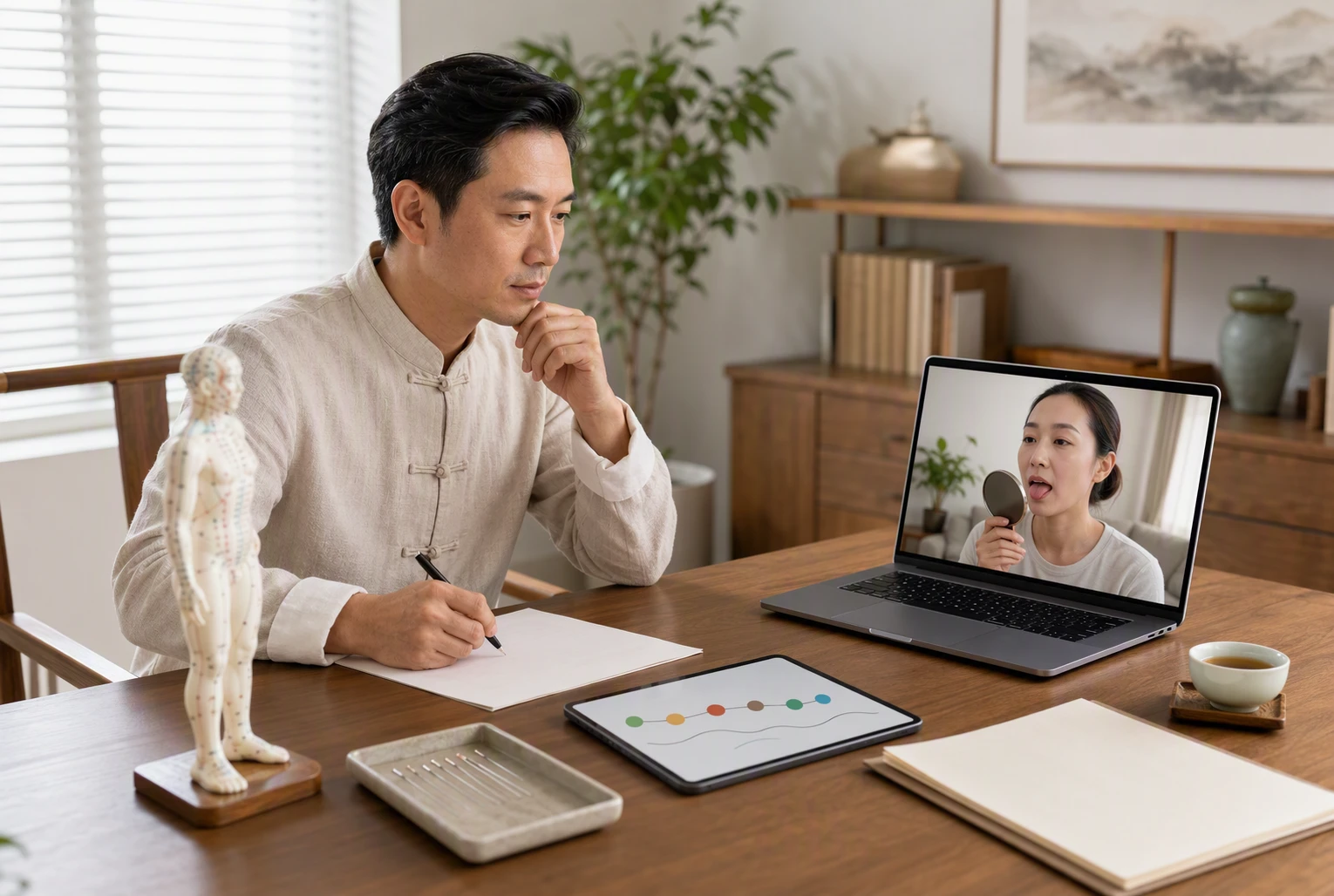
They cannot safely perform needle treatment, palpate painful areas, check pulses, or rule out urgent illness by video.
Warning: New chest pain, breathing trouble, sudden weakness, or severe symptoms need urgent medical care, not an online session.
| Remote session | In-person appointment |
|---|---|
| History, guidance, follow-up | Physical exam and acupuncture |
| Personal self-care plan | Needle treatment and hands-on checks |
Ask for clear next steps, including when to book in person.
Also Read: Chinese Medicine Remote Consultation: News on Rising Demand
Step 4: Decide Whether to Continue Remotely or Attend in Person
A Simple Safety Decision
Continue remotely if your goal is follow-up support, stress care, lifestyle guidance, or review of a herbal plan. Remote sessions cannot include needle insertion, so they do not replace physical acupuncture.
Choose an in-person visit when your practitioner needs to assess pain, movement, skin changes, or provide acupuncture treatment.
| Choose remote care | Choose in-person care |
|---|---|
| Stable symptoms and follow-up | New, severe, or worsening symptoms |
| Stress and wellness support | Need for acupuncture needles |
| Questions about your care plan | Hands-on assessment is needed |
Seek urgent medical help for chest pain, sudden weakness, breathing trouble, severe bleeding, or new neurological symptoms. Italy’s Ministry of Health stresses patient safety across all care settings.
Book a remote consultation with Medicina Cinese to discuss your needs, herbal support, and a safe plan for follow-up care.
Frequently Asked Questions
Q1: Explain the process, limits, and best uses of remote acupuncture consultations.
A practitioner reviews symptoms, health history, and goals, then gives self-care guidance. It cannot include needle insertion. It suits follow-ups, stress support, lifestyle advice, and herbal discussions.
Q2: Can I receive acupuncture needles during an online session?
No. Needling needs an in-person visit with a qualified practitioner. Remote care can prepare you for treatment and support your plan between appointments.
Q3: What should I prepare before my consultation?
Bring a symptom timeline, medication list, relevant test results, and questions. Choose a quiet, private space so you can speak openly.
Conclusion
Remote acupuncture sessions provide assessment, guidance, and follow-up, not needle treatment. Use them alongside appropriate medical care. The Italian ISS advises against replacing prescribed treatment without discussing it with a doctor.