


'/%3E%3C/svg%3E)

'/%3E%3Cpath%20fill='%23b2b2b2'%20d='M241%20382q0%2016%2017%2026%2017%2011%2042%2011t42-11q16-11%2017-26V269H241'/%3E%3Cpath%20fill='%239f7e00'%20d='M241%20379q0%2014%208%2023%209%209%2021%209%2014%200%2021-9%209-9%209-23V269h-59'/%3E%3Cpath%20d='M241%20339v-70h59v110q0%2014-9%2023l-6%205v-68h-15v72q-8%200-14-4v-68zm59%2040c0%2022%2015%2032%2029%2032%2021%200%2030-18%2030-32v-40h-59'/%3E%3Cpath%20fill='%239f7e00'%20d='M266%20277v5h2v12h-3v-5h2v-5h-9v5h2v5h-4v9h3v18h-5v10h34v-10h-5v-18h3v-9h-4v-5h2v-5h-9v5h2v5h-3v-12h2v-5zm42%20101q0%2010%206%2017%206%206%2015%207%2010-1%2016-7%206-7%206-17v-29h-43'/%3E%3Ccircle%20fill='%230044ad'%20cx='329.5'%20cy='372'%20r='6'/%3E%3Cellipse%20fill='%230044ad'%20cx='300'%20cy='340'%20rx='16'%20ry='21'/%3E%3C/svg%3E)


'/%3E%3C/svg%3E)
A stiff shoulder or a racing mind can make acupuncture vs energy healing seem alike. They are not. Acupuncture targets defined symptoms within Chinese medicine. Reiki-style energy healing mainly supports calm, with limited clinical evidence. This acupuncture vs energy healing guide covers methods, safety, evidence, and fit for pain, sleep, burnout, or recovery.
Acupuncture vs Energy Healing: At a Glance
| Acupuncture | Energy healing | |
|---|---|---|
| Primary purpose | Address symptoms and Chinese medicine patterns | Relaxation, perceived balance, and emotional wellbeing |
| How it is delivered | Sterile, single-use needles at selected points | Light touch, hands above the body, or sometimes no contact |
| Evidence for health outcomes | Some evidence for certain pain conditions; mixed overall | Insufficient or inconsistent evidence for specific conditions |
| Best suited to | Defined pain, headaches, musculoskeletal symptoms, and individualized care | People seeking gentle relaxation as complementary support |
| Main safety consideration | Use a properly trained practitioner and sterile technique | Do not use it instead of diagnosis or proven medical care |
How Acupuncture and Energy healing Compare
Acupuncture
Acupuncture uses fine, sterile needles at selected points after an individual Chinese medicine assessment. It suits people with defined pain, headaches, or muscle and joint concerns; research supports some pain uses, though results vary.
Key strengths
- Defined treatment framework
- Single-use sterile needles
Energy healing
Energy healing is a broad group of gentle practices, including Reiki, using touch or hands held above the body. It may suit people seeking calm or emotional support alongside care, not instead of diagnosis or proven treatment.
Purpose and Method: Targeted Points or Gentle Energy Work?
What happens in an acupuncture session?
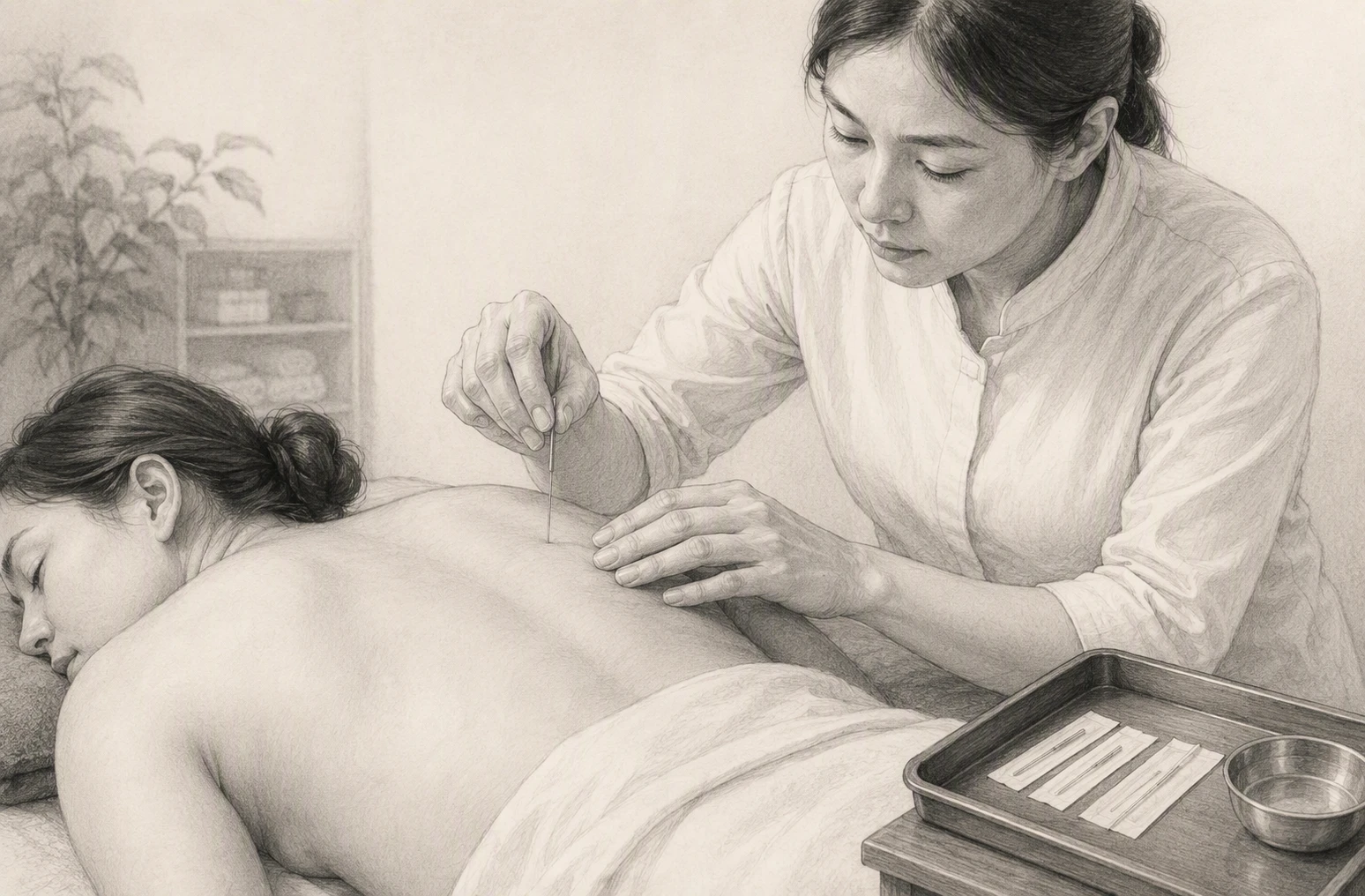
A practitioner asks about your symptoms, health history, sleep, and goals. They then select specific body points and insert fine, sterile needles. Needles may stay in place briefly, sometimes with gentle manual or electrical stimulation. NCCIH describes acupuncture as stimulation of defined points, most often with thin needles.
What happens in an energy-healing session?
Energy healing is broader. You usually remain clothed while the practitioner uses light touch or holds hands near the body. The aim is often calm, rest, and a sense of balance, rather than treating one mapped point.
Ask what method is used, what it can realistically support, and whether it complements medical care.
Also Read: Quantum Energy Healing: A Review for Wellness Seekers
Evidence and Safety: What Can You Reasonably Expect?
Evidence is not the same as tradition or personal experience
A treatment can feel helpful without proving it treats a condition. Research supports acupuncture for some pain problems, including back, neck, and knee pain, but results vary by symptom and study design, according to NCCIH. Reiki and similar energy healing methods have not shown clear, consistent health benefits in high-quality research.
Safety should shape the decision
Choose a trained practitioner who uses sterile, single-use needles. Acupuncture risks are low in skilled hands, but poor technique can cause infection or injury. Tell your clinician if you are pregnant, take blood thinners, have a bleeding disorder, or have new severe symptoms.
Use either approach as support, not as a reason to delay medical diagnosis or urgent care.
Also Read: Acupuncture vs Herbal Medicine: Which Fits Your Symptoms?
Which One Fits Your Goal: Pain, Stress, Sleep, or Recovery?
When acupuncture is the more logical starting point
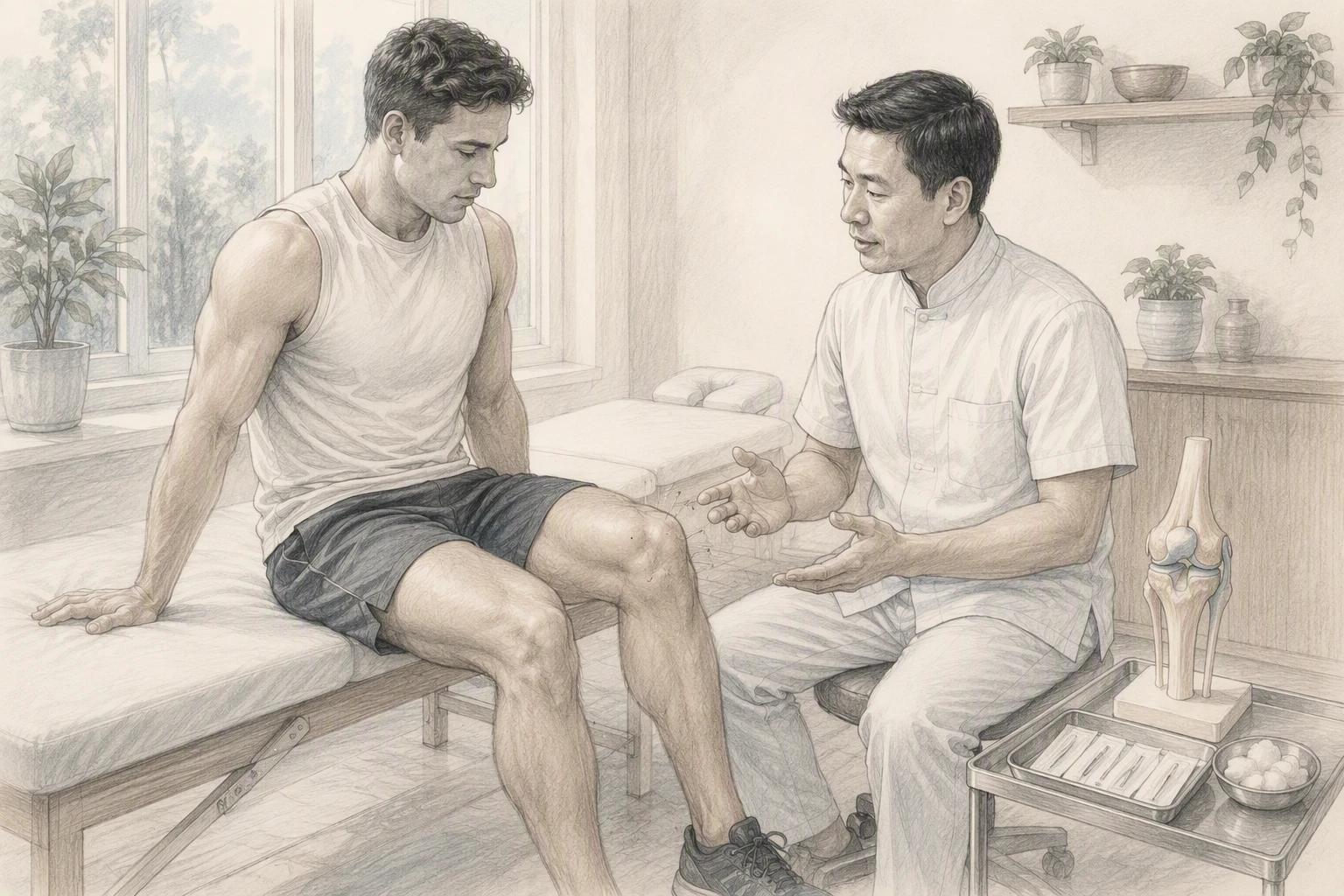
Choose acupuncture for clear, physical goals: persistent back, neck, or knee pain, headaches, or return-to-training support. NCCIH notes evidence for several pain conditions. A qualified practitioner should assess injuries first.
When energy healing may be preferred
Choose energy healing if you want a gentle, hands-off session for calm, stress, or rest. Treat it as supportive care, not a cure for sleep disorders or burnout. Reiki research remains inconsistent.
Seek medical care for severe pain, numbness, weakness, or sudden sleep changes.
Also Read: Traditional Chinese Medicine in 2026: What Recent Research Says
Which Should You Choose: Acupuncture or Energy Healing?
Choose acupuncture for pain, headaches, or sports recovery. It has clearer training standards and evidence for some pain conditions, according to NCCIH.
Choose energy healing for gentle relaxation if that approach feels right to you. Evidence for Reiki remains unclear, says NCCIH.
Neither should replace medical assessment for severe or new symptoms.
Choose care that fits your needs. Book a personal plan with Medicina Cinese for pain, stress, sleep, or recovery support.
Frequently Asked Questions
Q1: Explain how acupuncture differs from energy healing in purpose, evidence, and use cases.
Acupuncture uses needles within traditional Chinese medicine. Energy healing is broader and less standardised. Choose acupuncture for defined pain or recovery goals.
Q2: Can I combine both treatments?
Yes, if both feel safe and helpful. Keep medical care for urgent symptoms.
Q3: Is acupuncture painful?
Most people feel brief pressure or tingling, not sharp pain.
Conclusion
Choose acupuncture for a defined TCM treatment, especially pain support. Choose energy healing for relaxation, knowing evidence remains unclear.